Trends in Sustainable Beauty and Eco-Friendly Products
Exploring Sustainable Beauty
The beauty industry is witnessing an exciting shift as consumers increasingly demand products that are both effective and environmentally responsible. This shift towards sustainability signifies a deeper commitment to environmental stewardship that resonates with contemporary values. Consumers today are not just passive recipients of beauty products; they are informed and engaged, seeking brands that adopt eco-friendly practices and harness natural ingredients to create effective beauty solutions.
Key Trends to Watch
As we delve into the world of sustainable beauty, several key trends emerge that are shaping consumer preferences and industry standards:
- Plastic-Free Packaging: A growing number of brands are abandoning single-use plastic and turning to innovative packaging solutions. For instance, some companies offer biodegradable containers made from materials like bamboo or corn starch, while others have introduced refill stations to encourage consumers to reuse their existing packaging.
- Clean Ingredients: Transparency in ingredient sourcing is becoming a crucial norm within the industry. Many brands now emphasize natural alternatives, highlighting the absence of harmful chemicals like parabens, sulfates, and phthalates. Ingredients such as organic coconut oil or fair-trade shea butter are gaining popularity for both their effectiveness and their ethical sourcing.
- Vegan and Cruelty-Free Products: Ethical standards are now paramount, with consumers increasingly opting for beauty products that not only reflect their values but also protect animal rights. Brands like Too Faced and Fenty Beauty have carved a niche by offering high-quality, vegan formulations free from animal testing.
Moreover, the rise of social media has significantly amplified awareness around sustainable beauty. Platforms like Instagram and TikTok empower consumers to share knowledge and experiences, fostering a community invested in eco-conscious choices. Influencers often spotlight sustainable beauty brands, prompting their followers to explore options that align with their values. Eco-conscious beauty brands are now not only redefining their missions but driving vibrant conversations about sustainability across all social platforms.
The Impact of Eco-Friendly Products
Engaging with sustainability in beauty transcends personal care; it fosters a collective effort to tackle pressing environmental challenges. As the demand for eco-friendly products continues to grow, visionaries in the beauty sector are innovating to meet these expectations. Economies of scale are shifting towards greener practices, which means companies are likely to invest more heavily in sustainable manufacturing and responsible sourcing methods.
This trend is also encouraging the development of new business models such as subscription services for refills, allowing consumers to receive their favorite products without generating additional waste. Disruptive innovations like these could reshape the way beauty products are consumed, making sustainability an integral part of everyday life.
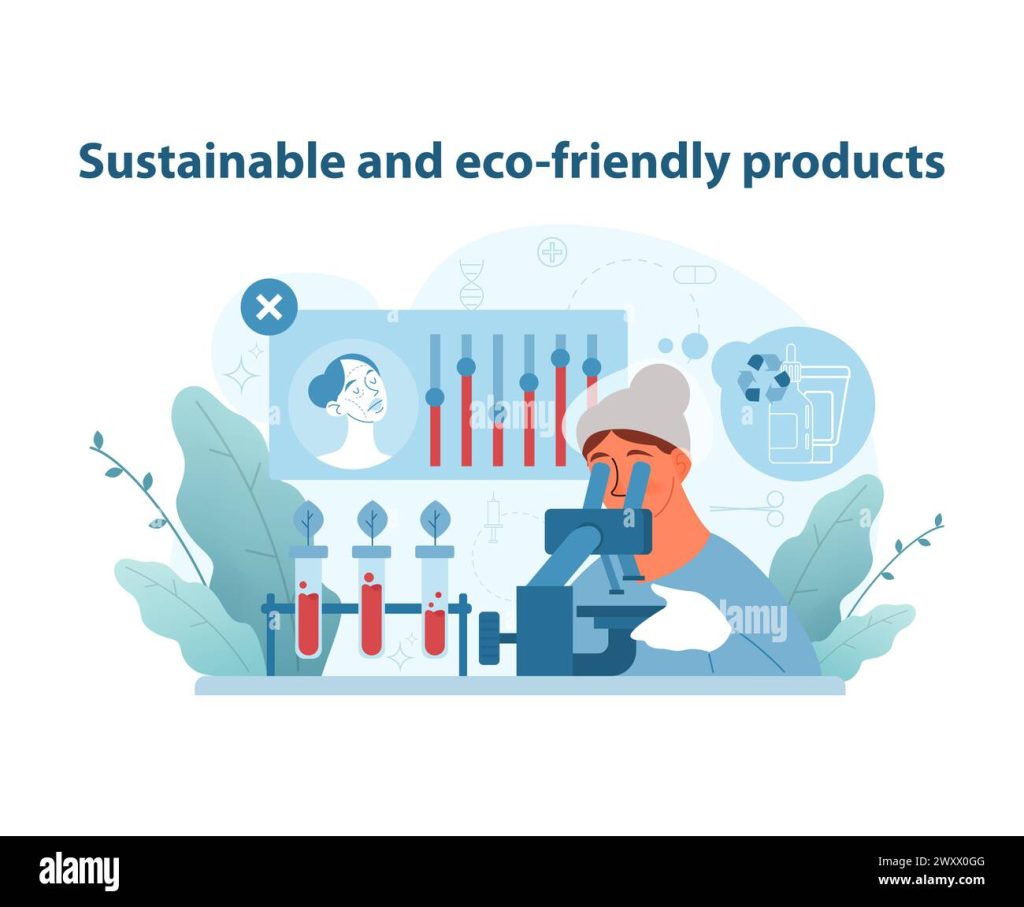
In summary, the future of beauty is being shaped by informed consumers who prioritize sustainability. As each trend advances, so does the conversation around responsible consumption, equipping individuals with the tools they need to make impactful choices. By understanding these trends, beauty enthusiasts can play an essential role in steering the industry toward a more sustainable tomorrow.
DISCOVER MORE: Click here to unlock the secrets of personalized skincare.
Innovative Practices in Sustainable Beauty
As the push for sustainability intensifies, beauty brands are embracing innovative practices that redefine what it means to be eco-friendly. The transformation within the beauty landscape is notable; brands are adopting strategies that emphasize not just the product itself, but the entire lifecycle of their offerings. This includes everything from sourcing ingredients responsibly to ensuring minimal environmental impact throughout the manufacturing and distribution processes.
Emerging Strategies
Several forward-thinking strategies are propelling brands towards greater sustainability. Here are some noteworthy practices that are gaining traction in the beauty industry:
- Waterless Formulas: With water usage being a significant concern, brands are developing waterless beauty products such as powders, oils, and balms. These formulations not only reduce water waste but often contain more concentrated active ingredients, providing users with highly effective alternatives.
- Local Sourcing: Many beauty brands are moving towards local sourcing of ingredients to minimize their carbon footprint. By utilizing locally-grown raw materials, companies can support regional economies while decreasing the environmental impact associated with transportation.
- Upcycling Ingredients: In an effort to combat waste, some brands are turning to upcycling. This practice involves repurposing by-products from other industries, such as fruit extracts from juicing processes or coffee grounds from cafés, to create new beauty products that are beneficial to the skin and the planet.
The shift towards sustainable beauty is also resonating with younger consumers, particularly Gen Z and Millennials, who actively seek brands that align with their values. A recent study indicated that over 70% of this demographic are willing to pay more for products that are environmentally friendly. This trend compels companies to innovate continually and uphold higher standards in sustainability.
Furthermore, many brands are leveraging sustainable initiatives as part of their marketing strategy. Campaigns surrounding eco-friendly practices, such as reforestation efforts to counterbalance emissions or commitments to reduce plastic waste, are not only effective but resonate deeply with consumers. Such initiatives foster brand loyalty, as customers feel they are contributing to a larger cause with each purchase they make.
The Role of Certifications
As sustainability gains prominence, certifications from organizations such as the USDA Organic or the Leaping Bunny Program are becoming critical markers of credibility for brands. These certifications provide consumers with assurances that products meet specific environmental and ethical standards. Consequently, brands that invest in obtaining such certifications are seen as more trustworthy and committed to their sustainability goals.
In conclusion, the trends in sustainable beauty reflect a shift that is not just a passing phase but a fundamental change in the way consumers and brands approach beauty products. As innovations continue to emerge, the beauty industry stands on the brink of a new era where sustainability and eco-friendliness are central to brand identity and consumer preference. With awareness growing, the impact of these trends is set to shape the future of beauty significantly.
| Sustainable Ingredients | Ethical Sourcing |
|---|---|
| Natural Components | Fair Trade Practices |
| Reducing Chemicals | Support for Local Communities |
The rise of trends in sustainable beauty and eco-friendly products is reshaping the industry, primarily due to consumer demand for products that do not only enhance personal appearance but also protect the planet. The focus on sustainable ingredients is pivotal; cosmetics and skincare brands are increasingly utilizing natural components such as botanical extracts and essential oils, minimizing the use of synthetic chemicals that can pose environmental hazards. Moreover, ethical sourcing practices are coming to the forefront, as businesses are held accountable for their supply chains. Companies are embracing fair trade practices, ensuring that the materials they use are sourced responsibly, thus benefitting local farmers and communities. This initiative not only enhances the quality of products but also promotes community support and sustainable development. Exploring these trends offers insights into the future of beauty where personal care aligns seamlessly with environmental stewardship.
DISCOVER MORE: Click here to dive into self-care secrets
Packaging Innovations in Sustainable Beauty
Packaging is one of the most visible aspects of beauty products, often overshadowing the sustainability of the formulation itself. However, innovative packaging solutions are paving the way for a more eco-friendly beauty industry. As brands recognize that sustainable packaging can significantly reduce their overall environmental footprint, creative methods are emerging that transform the unboxing experience.
Biodegradable and Compostable Materials
One of the most promising trends in sustainable packaging is the move towards biodegradable and compostable materials. Brands are increasingly utilizing plant-based bioplastics, recycled paper, and other natural substances that can easily decompose. For instance, some beauty companies have opted for containers made from hemp or cornstarch derivatives, providing a sustainable alternative to traditional plastics. This trend not only minimizes waste but also resonates with consumers eager to support companies that prioritize environmental responsibility.
Refillable and Reusable Packaging
Another innovative approach is the use of refillable and reusable packaging. Many brands are creating products designed for longevity, allowing consumers to purchase refills of their favorite formulations rather than complete new products. This practice reduces packaging waste and encourages a minimalistic mindset. Companies such as L’Occitane and Kjaer Weis offer refill stations or kits that enable consumers to replenish their products sustainably. With the subscription model gaining popularity, some brands provide automatic refills, making it even more convenient for consumers to remain eco-conscious.
Minimalist Design and Functionality
Simplifying packaging design to focus on functionality while reducing excess materials has also become prevalent. Aesthetic minimalism in beauty packaging reflects a balance between elegance and sustainability. Brands are opting for sleek, functional designs that utilize less material without compromising the product’s integrity. This trend not only aligns with eco-friendly ideals but caters to consumer preferences for chic and practical solutions. The result is packaging that is as appealing as it is responsible.
Transparency in Supply Chains
As consumers demand more accountability from brands, transparency in supply chains has emerged as a crucial component of sustainability. People are increasingly interested in understanding where and how products are made. Beauty brands are responding by providing detailed information about their sourcing methods, ingredient origins, and packaging production. This transparency fosters trust and encourages consumers to make more informed choices. Brands that openly communicate their sustainability efforts, such as sharing their carbon offsetting strategies, are more likely to connect with environmentally-conscious consumers.
The Cruelty-Free Movement
Alongside eco-friendly practices, the cruelty-free movement continues to gain momentum as consumers increasingly seek ethical treatment of animals in the beauty industry. Certifications from organizations like the Leaping Bunny Program and the Beauty Without Bunnies initiative help consumers identify brands that do not test on animals. As a result, many beauty companies are reformulating their lines to ensure compliance with cruelty-free standards, appealing to a growing segment of the market that prioritizes animal welfare alongside environmental sustainability. The demand for transparency in ethical practices will continue to influence product development in the years to come.
The trends in sustainable beauty not only reflect growing consumer awareness but also point to a larger shift in values that prioritize the health of the planet. As innovative practices in packaging and formulations emerge, the beauty industry stands to benefit from both a loyal customer base and a healthier ecosystem.
DISCOVER MORE: Click here for essential winter skin care tips
Conclusion: Embracing a Greener Future in Beauty
The landscape of the beauty industry is undergoing a remarkable transformation, led by an increasing demand for sustainable and eco-friendly products. As we explored the various trends in sustainable beauty, it becomes evident that innovation is at the forefront of this movement. From the rise of biodegradable and compostable materials to the development of refillable and reusable packaging, brands are actively seeking ways to minimize their environmental impact while appealing to the conscious consumer.
Moreover, the shift towards transparency in supply chains allows consumers to make informed choices about the products they purchase, fostering trust between brands and their clientele. With the cruelty-free movement gaining traction alongside these trends, the ethical treatment of animals is now a priority for many businesses. This dual focus on environmental sustainability and ethical practices signals a clear direction for the future of beauty.
As consumers in the United States and beyond continue to prioritize sustainability, brands that embrace these trends will not only enhance their market relevance but also contribute to a healthier planet. It is imperative for both consumers and companies to remain engaged in this dynamic dialogue surrounding sustainable beauty, recognizing that every purchase can make a difference. By choosing products that are responsibly sourced and thoughtfully packaged, we can collectively pave the way for an eco-friendly beauty landscape that honors both our beauty routines and our planet.