
The Importance of Personalization in Skincare Routine: How to Find the Right Products for Your Skin Type

Understanding Your Skin
Personalization is key to achieving a healthy, glowing complexion. With countless skincare products available, navigating this vast market can be overwhelming. Knowing your individual skin type is the first step in selecting the right products that meet your specific needs.
Why Personalization Matters
Personalized skincare offers numerous benefits, including:
- Improved effectiveness: Products tailored to your skin type work more effectively. For instance, those with oily skin can benefit from lightweight, oil-free moisturizers and gels that help control sebum production, while individuals with dry skin may require thicker creams enriched with hydrating ingredients like hyaluronic acid and shea butter.
- Reduced reactions: Choosing items suited to your unique needs minimizes the risk of irritation. For example, someone with sensitive skin should avoid products containing fragrances or alcohol, which can exacerbate redness and discomfort.
- Enhanced results: Personalized routines lead to better and faster results in skin health. Adopting a regimen that accounts for your skin’s unique challenges can help address concerns more holistically, whether it’s acne, pigmentation, or premature aging.
Identifying Your Skin Type
Before you dive into finding products, you need to understand which skin type you have. Here are the main categories:
- Oily: Characterized by excess shine, particularly in the T-zone (forehead, nose, chin), and prone to breakouts. Individuals with oily skin often need mattifying products that can help control oil without stripping the skin.
- Dry: This type can feel tight, flaky, or rough, particularly after cleansing. Look for rich moisturizers and oils that provide long-lasting hydration, locking moisture in.
- Combination: Showing a mix of oily and dry areas, typically an oily T-zone with dry cheeks. Combination skin requires a balanced approach, often using different products on different areas for optimal care.
- Sensitive: Easily irritated or reactive to products, individuals with sensitive skin should select gentle formulas, identifying ingredients that are hypoallergenic and fragrance-free.
By recognizing your skin type, you can tailor your skincare routine for optimal results. It’s essential to perform a patch test when trying new products and monitor how your skin reacts over time. This awareness not only enhances your personal regimen but also empowers you to make educated choices about what you apply to your skin.
In this article, we will explore how to choose the right products and enhance your personalized skincare experience. This journey towards understanding your skin’s needs can open doors to improved skin health, making it not just a routine, but a rewarding endeavor.
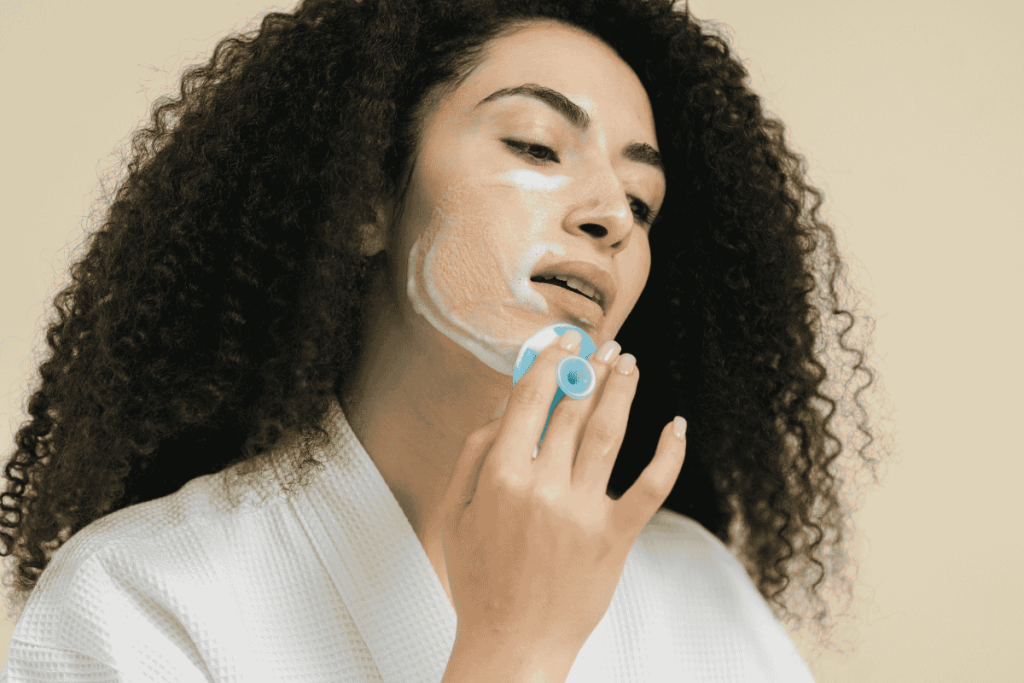
DIVE DEEPER: Click here to learn more about skincare routines for your age group
Choosing the Right Products for Your Skin Type
Identifying your skin type is just the starting point in your skincare journey; the true challenge lies in selecting products that address your skin’s unique requirements. With an overwhelming array of options available in the skincare market, each product claiming to provide remarkable results, navigating through them can feel daunting. Yet, by understanding your skin’s specific needs and the benefits of certain ingredients, you can make informed choices that enhance your skin health and appearance.
Key Ingredients to Look For
In the quest for effective skincare, ingredient knowledge is power. Each skin type responds differently to various compounds, so recognizing which elements can support your needs is essential. Here’s a closer look at effective ingredients tailored for the most common skin types:
- Oily Skin: For those struggling with excess sebum production, products featuring salicylic acid are invaluable. This beta hydroxy acid penetrates deep into pores to dissolve excess oil and prevent acne breakouts, making it a staple for oily skin types. Niacinamide, a form of vitamin B3, is another superstar—helping to regulate oil and minimize the appearance of pores. Additionally, tea tree oil offers natural antibacterial properties, further assisting in controlling acne without harsh chemicals.
- Dry Skin: Those with dry skin should gravitate towards hydrating ingredients like glycerin, which acts as a moisture magnet, drawing water into the skin layers. Ceramides play a crucial role in rebuilding and strengthening the skin barrier, preventing moisture loss while protecting against environmental stressors. Incorporating nourishing oils, such as argan oil or jojoba oil, can enhance hydration and impart a soft, supple feel.
- Combination Skin: This skin type demands a balanced approach. To address both oily and dry areas, opt for lightweight moisturizers that hydrate without overpowering. Products containing alpha-hydroxy acids (AHAs) are effective for gentle exfoliation, helping to refine the skin texture. The dual action of these ingredients can maintain harmony across different zones of the face.
- Sensitive Skin: For those with sensitive skin, it’s best to focus on soothing ingredients such as aloe vera and chamomile. These natural extracts provide calming benefits and reduce redness. Moreover, choosing fragrance-free and alcohol-free products minimizes the risk of irritation and ensures a gentle approach to skincare.
Understanding these key ingredients can empower consumers to choose products that are not only effective but also supportive of their individual skin health. Additionally, the formulation matters: serums tend to deliver concentrated benefits for specific concerns like fine lines or pigmentation, making them valuable tools in a tailored skincare regimen.
Learning to Layer
Once the right products are identified, mastering the technique of layering is essential for maximizing their effectiveness. A well-structured skincare routine typically adheres to a “thin to thick” principle, ensuring each product is given the opportunity to absorb properly. The recommended order of application usually includes:
- Cleansers – to effectively remove makeup, dirt, and impurities from the skin
- Toners – to replenish moisture and prepare the skin for subsequent products
- Serums – concentrated formulas targeting specific skin issues such as dark spots, sun damage, or fine lines
- Moisturizers – to hydrate and seal in moisture, providing a protective barrier
- Sunscreens – the final step for protecting the skin from potential UV damage, which is crucial for preventing premature aging and skin cancer
By carefully selecting and layering products that cater directly to your unique skin type, you can significantly enhance your skincare results. This deliberate approach transforms a basic routine into a personalized ritual, ultimately leading to healthier, more radiant skin.
| Advantage | Explanation |
|---|---|
| Customized Ingredients | Personalization allows for the integration of specific ingredients that cater to individual skin conditions, such as dryness, oiliness, or sensitivity. |
| Improved Skin Health | When products address specific concerns, users often observe a rapid improvement in skin texture and overall health, fostering a sense of confidence. |
Personalization in skincare goes beyond mere preference; it is a fundamental aspect of achieving effective results. By recognizing unique skin types and specific needs, individuals can significantly minimize the risk of adverse reactions while maximizing the benefits of each product used. Moreover, informed choices based on personal needs empower skincare enthusiasts to develop a routine that not only enhances confidence but also creates meaningful connections to self-care practices. This attention to detail in skincare reflects an increasing recognition of the diversity in skin characteristics and the importance of addressing them with care. For further exploration, research shows that leveraging technology, such as personalized skin assessments or integrating expert consultations, can help individuals find the right products tailored specifically for their unique skin profile. Understanding how ingredients like hyaluronic acid or salicylic acid function, and matching them to personal skin needs, can open doors to transformative skincare experiences.
DISCOVER MORE: Click here for insights on urban pollution and your skin
Understanding Skin Concerns and Conditions
Beyond basic skin types, it’s essential to consider specific skin concerns and conditions that may influence your product choices. Personalizing your skincare routine involves not only understanding whether you have oily, dry, or sensitive skin but also identifying unique issues such as acne, hyperpigmentation, or aging. These conditions can dramatically affect how your skin behaves and reacts to different products.
Acne-Prone Skin
If acne is a concern, look for products specifically formulated for acne-prone skin. Ingredients such as benzoyl peroxide help to kill acne-causing bacteria, while retinoids promote cell turnover, preventing clogged pores. Additionally, incorporating a gentle exfoliant containing lactic acid can help to slough off dead skin cells and reduce the occurrence of breakouts. A targeted daily routine that incorporates these products can provide meaningful improvements.
Hyperpigmentation and Dark Spots
For those dealing with hyperpigmentation or dark spots, a regimen rich in vitamin C can prove beneficial. This potent antioxidant brightens the skin and reduces the appearance of discoloration. Pairing it with alpha arbutin or kojic acid can further enhance the brightening effect. Regular use of broad-spectrum sunscreen is vital; protecting your skin from harmful UV rays not only prevents new spots from forming but also helps existing marks fade over time.
Signs of Aging
The quest for youthful skin often centers around combating signs of aging, such as fine lines, wrinkles, and loss of elasticity. Ingredients like peptides signal the skin to produce more collagen, which is fundamental in maintaining skin firmness and elasticity. Hyaluronic acid is another ingredient that excels in hydration, plumping the skin and reducing the appearance of fine lines. Furthermore, incorporating a retinol-based product can improve skin texture and accelerate cell turnover, leading to a more youthful complexion.
Ethical and Inclusive Skincare Choices
As consumers become increasingly aware of ethical issues, the demand for inclusive skincare is on the rise. This includes formulations that cater to various skin tones and types, addressing the unique concerns of different cultural backgrounds. Brands that prioritize diversity in their product lines often consider the distinct needs of all their customers, from hyperpigmentation prevalent in some skin tones to sensitivity caused by different environmental factors. Choosing brands that prioritize inclusivity not only supports ethical consumerism but also ensures that individuals find products tailored to their needs.
Also, consider your personal values when selecting products. Many consumers now seek out clean beauty labels, preferring options that avoid harmful chemicals or synthetic fragrances. Researching brands that align with your skincare philosophy can guide your purchases, leading to a more satisfying skincare experience.
Patch Testing and Adjusting Your Routine
Even after choosing products tailored to your skin type and concerns, it’s crucial to indulge in the practice of patch testing before fully integrating them into your routine. Applying a small amount to a discreet patch of skin can help identify any adverse reactions, allowing you to make adjustments as necessary. If all is well, remember that skin conditions and reactions can change over time, requiring you to periodically reassess your regimen. This ongoing process ensures that your skincare remains effective and personalized over the long term.
Ultimately, navigating the intricate landscape of skincare requires diligence and adaptability. By understanding your skin’s specific concerns and preferences, you can create a dynamic skincare regimen that truly meets your individual needs, leading to healthier and more radiant skin.
DISCOVER MORE: Click here to learn about AI innovations in beauty technology
Conclusion
In a world where skincare is no longer a one-size-fits-all approach, the importance of personalization cannot be overstated. Each individual’s skin is unique, shaped by factors such as genetics, environment, and lifestyle choices. Understanding your specific skin type—whether it be oily, dry, or combination—along with unique concerns like acne, hyperpigmentation, or signs of aging, allows for a targeted approach that maximizes the effectiveness of your routine.
As consumers navigate the vibrant marketplace of skincare products, it is essential to become informed about ingredients and their roles. By choosing formulations that feature the right actives, such as retinoids for aging skin or vitamin C for brightening, individuals can take proactive steps toward healthier skin. Moreover, the rise of clean beauty and inclusive skincare reflects a growing demand for products that not only cater to a variety of skin concerns but also align with personal values.
Furthermore, the process doesn’t end with product selection. Regular patch testing and reassessment of one’s skincare routine can ensure continued compatibility and effectiveness as skin changes over time. This iterative process fosters a deeper connection to individual skin health and well-being.
Ultimately, prioritizing personalization in your skincare routine is a journey—the more you learn and adapt, the more you can nourish and celebrate your unique beauty. Take the time to discover and invest in what truly works for your skin, and watch as your efforts result in a radiant, confident complexion.