The Science Behind Cooking: How Chemistry Transforms Flavors
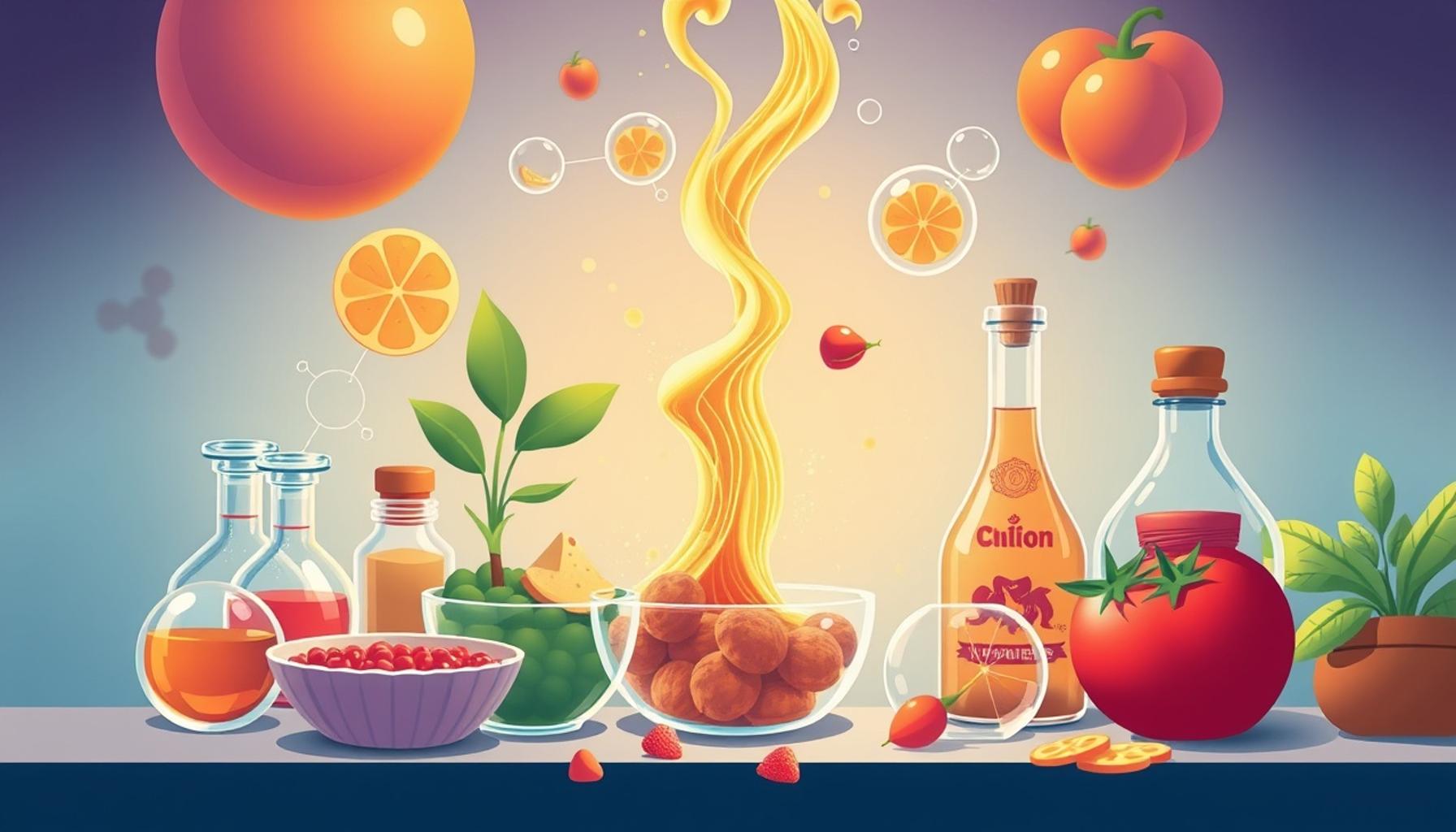
Understanding Cooking Chemistry
Cooking isn’t merely a chore; it’s a fascinating blend of art and science. When you throw together various ingredients, you’re not just mixing flavors; you’re invoking the chemistry that transforms everyday foods into extraordinary dishes. Understanding the science behind these transformations can empower you to elevate your culinary creations.
At the heart of this transformation are potent chemical reactions. These reactions play a crucial role in how we perceive food and flavor. For instance, the Maillard Reaction, which occurs when proteins and sugars react under heat, is responsible for the delicious browning of meat and baked goods. This reaction not only creates a visually appealing color but also enhances the flavor profile, delivering complex and savory notes that are simply irresistible. The golden crust of a perfectly baked bread or the deep brown sear on a steak all stem from this remarkable process.
Another important aspect to consider is the role of acids in cooking. Acids, such as lemon juice or vinegar, work to balance richness in dishes like creamy dressings or heavy sauces. By adding acidity, you can brighten flavors, making each bite more refreshing. For instance, a classic Caesar salad dressing often combines mayonnaise with lemon juice to provide a zesty kick that cuts through the richness of the mayo, creating a dish with nuanced layers of flavor.
Emulsification is yet another fascinating process in the kitchen, where combining oil and water can lead to creamy dressings and sauces. Emulsifiers like egg yolks in mayonnaise help to stabilize this mixture, allowing for the creation of luxurious textures that can elevate any meal. Understanding how to achieve and maintain emulsification can turn a simple vinaigrette into a gourmet experience.
These chemical processes not only dictate texture and aroma but also significantly impact your overall dining experience. By grasping these concepts, home cooks and professional chefs alike can manipulate flavors and textures to achieve better results. The ability to fine-tune your cooking processes can turn a mundane meal into a standout culinary experience.
This exploration of cooking chemistry leads us to discover several key elements:
- How temperatures affect taste perception: Cooking at different temperatures can bring out unique flavors. For example, gently cooking garlic prevents it from becoming bitter, while high heat can enhance its sweetness.
- The role of pH in flavor enhancement: Understanding the pH levels of various ingredients can empower you to create more balanced dishes, as certain flavors emerge at specific acidity levels.
- Why certain pairings work better than others: Exploring the science behind why classic combinations, like tomatoes and basil or chocolate and sea salt, can yield insights into making your meals more cohesive and enjoyable.
Join us as we delve into the fascinating world where chemistry meets cooking, turning simple meals into memorable culinary adventures. By embracing the science of cooking, you can not only improve your skills but also engage your diners in an unforgettable gastronomic journey.
DIVE DEEPER: Click here to discover the art of presentation
The Fascinating Reactions in Your Kitchen
Chemistry is an omnipresent force in cooking, shaping the flavors, textures, and aromas that define our culinary experiences. As we explore the transformative power of chemistry in cooking, it’s essential to understand how these reactions interact with our ingredients to create delicious food. Among the myriad of chemical reactions, a few stand out for their profound impact on flavor.
The Maillard Reaction is perhaps the star of the cooking chemistry show. This complex interaction occurs between amino acids and reducing sugars when food is exposed to high temperatures, leading to the browning that enhances the flavor of cooked proteins and carbohydrates. The reaction not only produces a wide range of aromatic compounds but also generates advanced flavor complexity. When you sear a steak or caramelize onions, you are witnessing the Maillard Reaction at work, contributing to that deeply satisfying umami flavor that so many of us adore.
Equally vital are the effects of cooking temperatures. As we manipulate heat, we can bring out different flavor profiles from the same ingredients. For example, when garlic is cooked gently over low heat, it releases a sweet, subtle flavor. Conversely, using high heat can result in a bitter taste due to the breakdown of certain compounds. Understanding and mastering these temperature effects can give home cooks an edge, allowing them to control and enhance flavor development intentionally.
The Significance of Acidity
Another crucial area of cooking chemistry is the role of acidity. Ingredients such as vinegar, citrus juice, and fermented products bring a distinct tang that not only adds flavor but also acts as a critical balancing agent. The presence of an acid can elevate a dish, offsetting richness and rounding out flavors. A well-balanced tomato sauce, for instance, often includes a splash of vinegar or a sprinkle of sugar to temper acidity and bring harmony to the dish. The pH levels of foods can drastically alter taste; thus, understanding how acidity interacts within a dish is key to cooking success.
- Enhancing flavor balance: Acids can counteract sweetness and richness, creating a well-rounded dish.
- Influencing texture: Marinades that contain acidic ingredients can tenderize meat, making it juicier and more flavorful.
- Preserving freshness: Acidic foods can inhibit microbial growth, extending the life of your culinary creations.
Furthermore, the science of emulsification cannot be overlooked in our exploration of cooking chemistry. By combining oil and water-based ingredients, we create emulsions that provide a creamy and stable texture. Classic sauces such as mayonnaise and hollandaise leverage emulsifiers like egg yolks to keep oil and water from separating. By understanding how to properly emulsify, cooks can create exquisite sauces that enhance the overall flavor of their dishes.
These foundational reactions and principles not only improve your cooking techniques but also allow you to experiment more boldly with flavors. Whether you’re a novice in the kitchen or a seasoned chef, a deeper comprehension of cooking chemistry expands your culinary toolkit, inviting you to innovate and delight in the edible creations you can achieve. By embracing this science, you can transform ordinary ingredients into extraordinary meals, embarking on a flavorful journey that tantalizes the taste buds.
| Flavor Enhancement | Chemical Reactions Involved |
|---|---|
| Maillard Reaction | Creates complex flavors and aromas through browning. |
| Acidity Balance | Enhances flavor perception by counteracting sweetness. |
When exploring how chemistry transforms flavors, one cannot overlook the intricate reactions that occur during the cooking process. The Maillard reaction is a prime example, responsible for the savory, complex flavors found in browned foods. This reaction involves amino acids and reducing sugars reacting under heat, contributing to the delightful crust on a freshly baked loaf of bread or the golden sear on a steak.Another essential aspect of flavor transformation is the role of acidity. Ingredients like vinegar and citrus not only add tanginess but also enhance the overall depth of flavor. By balancing sweetness with acidity, one can amplify taste profiles, making dishes more appealing and memorable. The chemistry inherent in cooking isn’t just about following a recipe; it’s a deep scientific exploration that leads to remarkable culinary experiences worthy of further investigation. These phenomena reflect the beauty of culinary science and underscore its significance in the art of cooking.
DISCOVER MORE: Click here to learn about building connections through group projects
The Role of Temperature and Time in Flavor Development
In cooking, temperature and time are critical elements that significantly impact flavor outcomes. Understanding these variables allows cooks to manipulate textures and enhance flavors to achieve culinary perfection. For instance, the process of sous vide cooking exemplifies the art of timing and temperature control. By cooking vacuum-sealed food precisely submerged in water heated to specific temperatures for extended periods, chefs can ensure even cooking while retaining moisture and flavor. This technique not only enhances the taste but also transforms the texture of meats, making them exceptionally tender.
Moreover, the development of flavors associated with slow cooking is a prime example of how time influences taste. Dishes like beef stew or braised short ribs benefit from long cooking times, during which collagen within the meat breaks down into gelatin. This gradual transformation creates a luxurious mouthfeel while simultaneously drawing out flavors from accompanying ingredients like herbs and spices, resulting in a harmonious depth of flavor that is often unattainable through quick cooking methods.
Unleashing Flavor through Fermentation
Another fascinating aspect of cooking chemistry is fermentation, an age-old technique that has gained newfound popularity among modern chefs and home cooks alike. Fermentation relies on microorganisms such as bacteria and yeast to convert sugars into acids, gases, or alcohol, profoundly changing the flavors and textures of foods. For example, the tangy depth of flavor in sauerkraut and kimchi arises from the action of lactic acid bacteria, which produce acids that enhance the taste while also acting as preservatives.
Not only does fermentation amplify flavor, but it also introduces beneficial probiotics. Foods like yogurt, kefir, and sourdough bread diversify our palates while also promoting gut health, highlighting the intersection of flavor enhancement and nutritional benefits. Harnessing the art of fermentation can open new avenues for flavor exploration, allowing home cooks to create exciting new dishes through the process.
The Chemical Magic of Spices
Spices offer yet another world of culinary chemistry ripe for discovery. When spices are heated or ground, they release volatile compounds responsible for their unique flavors and aromas. The intense heat of sautéing spices releases essential oils, providing aromatic depth that flavors a dish from the inside out. For example, when you toast cumin seeds before adding them to a dish, you intensify its earthy flavor profile while unveiling a nutty complexity that vanilla-flavored cumin just can’t replicate.
- Synergistic effects: Some spices work in harmony with others to create complex flavors, often leading to ‘curry powder’ or spice blends that have a balanced taste.
- Quality matters: The age and quality of spices can alter their flavor intensity; fresher spices often deliver more robust flavor than stale ones.
- Color significance: Spices such as turmeric not only add flavor but also contribute vibrant color and health benefits, acting as a natural dye that enhances the visual appeal of a dish.
By examining these elements of cooking chemistry, we start to appreciate the intricate dance of molecular interactions that lead to delicious and memorable meals. Embracing the science behind cooking allows both novice and experienced chefs to elevate their culinary creations and explore the boundaries of flavor like never before.
DISCOVER MORE: Click here to delve into the intersection of art and sustainability
Conclusion: Embracing Culinary Chemistry for Flavor Mastery
The exploration of the science behind cooking reveals that the transformation of flavors is no mere coincidence; it is a meticulous orchestration of chemical reactions, temperature regulation, and time management. As we have seen, methods like sous vide cooking and slow braising do not just enhance the texture and moisture of food, but also lead to the revelation of complex flavor profiles that delight the palate.
Furthermore, the brilliance of fermentation showcases how manipulating microorganisms can elevate simple ingredients into probiotic-rich culinary staples filled with robust flavors. The ability of spices to unlock their aromatic potential through heating or grinding reflects the profound impact that the chemistry of ingredients has on the overall taste experience.
Ultimately, understanding the fundamental principles of cooking chemistry empowers both seasoned chefs and home cooks to manipulate flavors with confidence and creativity. By embracing this scientific approach, one can embark on a flavorful journey, experimenting with new techniques and combinations that may lead to remarkable culinary discoveries. Whether preparing a comforting stew or a gourmet dish, the blend of art and science becomes the driving force behind delicious meals, inspiring all of us to have fun and push our culinary boundaries.
As the culinary landscape continues to evolve, the integration of science into everyday cooking invites us to innovate and explore beyond traditional recipes, unlocking a world of flavors waiting to be discovered. So, the next time you step into the kitchen, remember, you are not just cooking; you are performing culinary chemistry—creating, transforming, and delighting in the delicious results.
Related posts:
International Cuisine at Home: Learning to Cook Traditional Dishes from Different Cultures
Culinary as Therapy: The Power of Cooking for Mental Well-Being
Sustainable Cuisine: How to Create Delicious Dishes with Local Ingredients
Seasonal Cooking: Creating Recipes that Celebrate the Month's Ingredients
Fermentation and Preserves: The Art of Preserving Flavor and Tradition in the Kitchen
The Art of Presentation: Transforming Dishes into Visual Experiences

Beatriz Johnson is a seasoned creative enthusiast and writer with a passion for simplifying the intricacies of artistic hobbies and DIY projects. With over a decade of experience exploring various creative fields, she specializes in topics like crafting, painting, and innovative DIY techniques. Through her work, Beatriz inspires readers to unleash their creativity, try new artistic endeavors, and stay inspired in the ever-evolving world of creative hobbies.