Fermentation and Preserves: The Art of Preserving Flavor and Tradition in the Kitchen
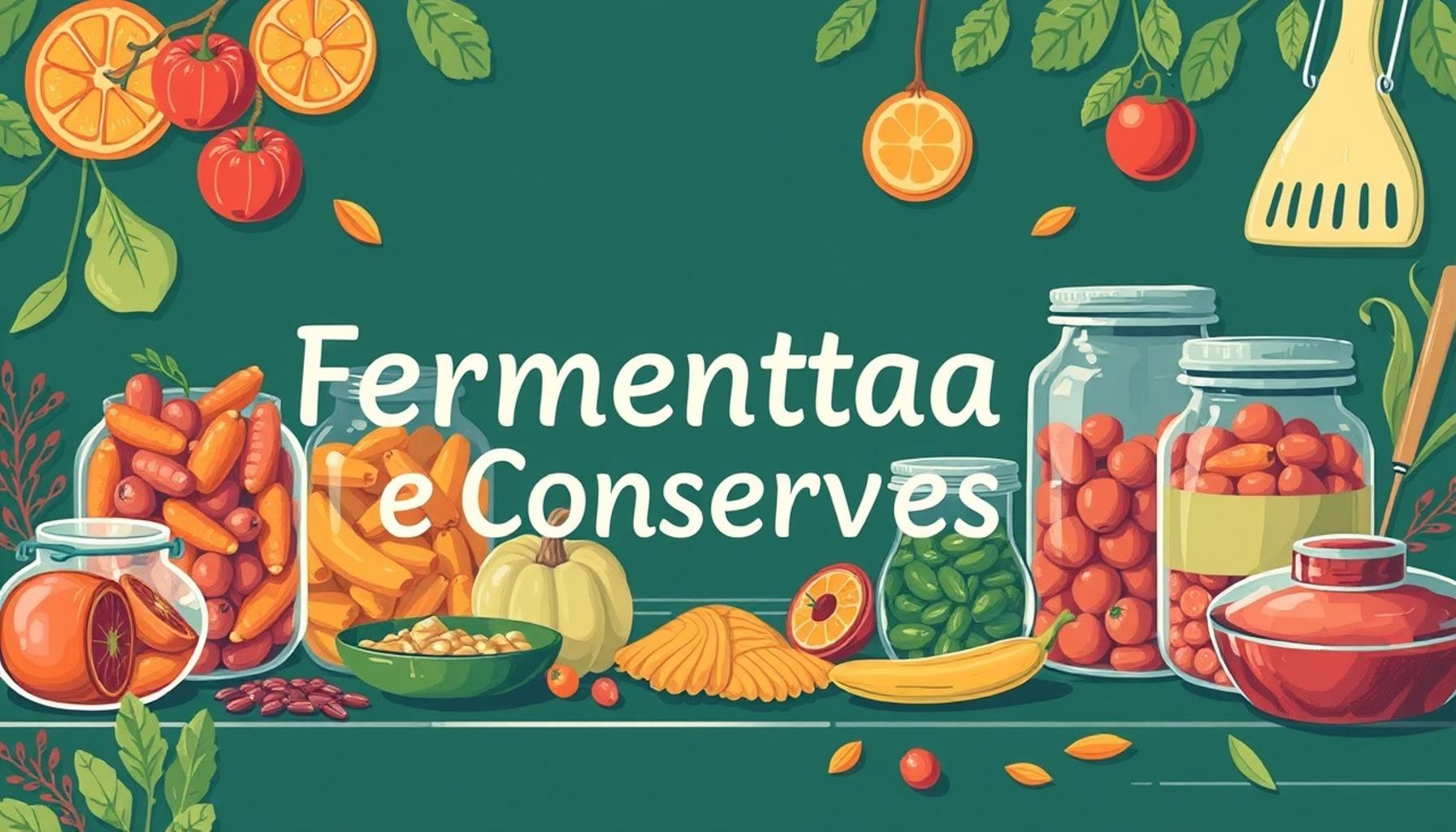
Understanding the Magic of Fermentation
Fermentation is an ancient practice that transforms ordinary ingredients into extraordinary flavors. This process, which dates back thousands of years, involves the biochemical conversion of sugars into acids, gases, or alcohol using microorganisms such as bacteria and yeast. Cultures around the globe have relied on fermentation not only to enhance taste but also to preserve food and maintain its nutritional value. For instance, before the advent of refrigeration, fermentation was a crucial method for extending the life of perishable products, allowing families to stock up on seasonal harvests.
Why Preserving Matters
In a rapidly changing culinary landscape, the art of preserves stands out as both a creative and essential skill. Here are some compelling reasons why preserving matters:
- Flavor Enhancement: Through fermentation, natural flavors are intensified. This transformation is vividly evident in foods like kimchi, where the combination of spices and fermentation creates a depth and richness that fresh cabbage simply cannot provide.
- Extended Shelf Life: Proper preservation techniques extend the usability of seasonal produce. For example, canning tomatoes during peak harvest allows home cooks to enjoy their rich flavor in sauces and soups long after the summer season has passed.
- Cultural Heritage: Traditional methods of preservation connect us to our culinary ancestry. Foods like sauerkraut, which has roots in German culture, and the diverse varieties of pickles found in Jewish cuisine exemplify how these practices can tell stories of migration and adaptation.
Exploring Fermentation Techniques
From sauerkraut to kimchi, fermentation techniques vary widely but share a common objective: transforming food into something uniquely delicious. For example, in the United States, you’ll find everything from:
- Pickles: This staple in American cuisine often sees cucumbers submerged in salty brine, leading to a tangy, crunchy snack that many enjoy on burgers or as a side dish.
- Fermented Hot Sauce: As the popularity of spicy foods rises, hot peppers are fermented to create zesty sauces that pack a punch, elevating everything from tacos to breakfast eggs.
- Craft Beers: The booming craft beer industry relies heavily on fermentation to create complex flavors and aromas, with small breweries experimenting with local ingredients and unique yeast strains to develop innovative brews.
As we dive deeper into the world of fermentation and preserves, you’ll find that these age-old techniques not only enrich our kitchens but also invite us to explore a spectrum of flavors, aromas, and cultures. Join us on this flavorful journey through time and tradition, and discover new ways to bring the essence of fermentation into your own culinary practice.
DISCOVER MORE: Click here to delve deeper
The Science Behind Fermentation
Fermentation is a process that has been shaping our culinary culture for millennia, elegantly blending science with art. At its core, this transformation relies on microorganisms—primarily yeast and bacteria—that convert sugars into various byproducts, effectively creating a symphony of flavors, textures, and aromas. This age-old technique is as beautifully complex as it is straightforward. For example, the tangy profile of sourdough bread emerges from a fermentation process where wild yeast and lactic acid bacteria interact. As the dough rises, these microorganisms break down sugars, producing not only the essential gas that makes the bread rise but also the distinctive sour notes that many find irresistible.
In addition to bread, fermentation encompasses a fascinating range of foods and beverages, from beer and kombucha to yogurt and kimchi. Each of these products embodies a unique combination of microorganisms and environmental factors, such as temperature and pH levels, that will influence the final taste and texture. Consider the vibrant world of cheese-making, where specific strains of bacteria transform milk into rich, creamy delicacies, offering a plethora of flavors depending on their diet and origin.
The Varied World of Preserves
When we delve deeper into the realm of preserves, we encounter a rich tapestry of techniques that highlight the preservation of flavors and traditions. Two foundational methods in this category are canning and pickling. Canning allows abundant fruits and vegetables to be sealed in airtight jars, creating a time capsule of harvest flavors that can be enjoyed long after the growing season ends. This method, which gained popularity in the United States during the 19th century, enables home cooks to savor their summer bounty during the cold winter months.
On the other hand, pickling injects an exciting twist into the preservation process through the use of vinegar or brine. This method not only enhances the taste of vegetables but also imbues them with added health benefits, thanks to the probiotics that develop in fermented pickles. These techniques enable home cooks to create vibrant, tangy accompaniments that can complement countless meals.
Different Types of Preserved Foods
Within the vast landscape of preservation, several noteworthy methods shine due to their adaptability and cultural significance. Here are a few that distinctly resonate with culinary enthusiasts:
- Jams and Jellies: By using sugar to suspend fresh fruits, these spreads offer a sweet and vibrant burst of flavor, perfect for breakfast or dessert. Traditional recipes are often treasured family heirlooms, but contemporary chefs extract inspiration from diverse ingredients, experimenting with combinations such as spicy jalapeño peach jam or lavender-infused berry jelly.
- Pesto: This aromatic mixture blends fresh basil, nuts, cheese, and olive oil, preserving the essence of herbs while serving as a versatile condiment. Beyond pasta, pesto can transform sandwiches, act as a dip, or even serve as a marinade for grilled meats, showcasing its culinary flexibility.
- Fermented Vegetables: A simple yet potent method, the fermentation of everyday vegetables like carrots, radishes, or cauliflower can yield probiotic-rich side dishes. These vibrant and tangy accompaniments not only enhance meals but also provide health benefits that support digestive health.
The revival of these age-old techniques creates a delightful bridge between generations, allowing families to pass down their culinary traditions while adapting to modern tastes. By exploring local farmers’ markets and seasonal produce, home cooks can engage in the art of preservation, using what’s readily available to create their flavorful treasures. Each jar opened not only reveals a burst of flavor but also tells the story of the environment and traditions that nurtured it. As you embark on this flavorful journey, let the essence of your local bounty inspire you to capture and preserve the tastes that matter most.
Unlocking the Secrets of Fermentation and Preserves
Fermentation is an ancient art that has transcended generations, preserving flavors and enriching culinary traditions worldwide. The process not only enhances the taste of various ingredients but also offers an array of health benefits. Understanding the intricacies of this technique can elevate your culinary skills and provide a healthier alternative to conventional methods. One of the most significant advantages of fermented foods is their ability to foster gut health. Rich in probiotics, these foods promote a healthy digestive system, improving nutrient absorption and boosting your immune system. For instance, sauerkraut and kimchi are not only flavorful but also packed with beneficial bacteria, making them ideal choices for health-conscious individuals. The act of preserving ingredients, whether through pickling, canning, or drying, allows for the enjoyment of seasonal produce throughout the year. It is a sustainable practice that minimizes food waste and celebrates the cycles of nature. Imagine savoring sun-ripened tomatoes in winter, or indulging in the sweet tang of homemade preserves, each jar telling a story of the harvest season. Creating homemade preserves also fosters a sense of community and tradition. Shared recipes between generations serve not just to pass down culinary skills, but also to keep family stories alive. The act of gathering with friends to create delicious preserved goods can deepen personal connections while producing delightful results.Moreover, experimenting with various fermentation techniques invites creativity into your kitchen. From artisanal cheeses to gourmet vinegars, the possibilities are endless. The experience allows for personalization of flavors, leading to unique creations that reflect your individual taste.The world of fermentation and preserves is vast and rewarding, inviting everyone—from novice cooks to seasoned chefs—to dive into this culinary adventure. As you explore these techniques, you will find not just the art of cooking, but a journey of flavors that honors both tradition and innovation.
| Advantages of Fermentation | Key Benefits |
|---|---|
| Enhanced Nutritional Value | Probiotics boost gut health and improve nutrient absorption. |
| Sustainability | Allows year-round access to seasonal ingredients, reducing food waste. |
| Culinary Creativity | Invites experimentation with flavors, leading to unique food creations. |
The art of fermentation and preserves beckons you into a world where flavor meets tradition. Embrace this journey to explore, create, and savor the delightful benefits that these culinary techniques bring into your kitchen.
DIVE DEEPER: Click here to learn about the transformation of music venues
Culinary Applications and Modern Interpretations
As the culinary landscape continues to evolve, the art of preservation through fermentation is experiencing a renaissance. Modern chefs and home cooks alike are harnessing this age-old technique not merely to extend the shelf life of ingredients but also to create innovative dishes bursting with flavor. This resurgence showcases how traditional methods can seamlessly blend with contemporary culinary styles, resulting in diverse applications that tantalize the taste buds and captivate the senses.
One standout application of fermented products is found in the burgeoning field of craft beverages. The artisanal movement has breathed new life into the process of brewing and fermenting beverages such as kombucha and kefir. Kombucha, a fizzy and slightly tangy drink made from sweetened tea and a symbiotic culture of bacteria and yeast (SCOBY), is gaining popularity for its refreshing taste and reputed health benefits. Home experimenters are pushing this trend further, creating unique flavors by adding ingredients like ginger, hibiscus, or even local fruits, showcasing the versatility of fermentation.
Exploring Global Fermentation Traditions
The fascinating world of fermentation is not confined to local kitchens; it is a global phenomenon, each culture boasting its own treasured recipes and traditions. For instance, South Korean kimchi stands out as a symbol of national cuisine, where a variety of vegetables—typically napa cabbage and radishes—are fermented with chili pepper, garlic, ginger, and other spices. Each family has its recipe, and the result is a lively palate-pleaser that forms an essential part of many meals.
Similarly, the Mexican technique of producing tequila or mezcal from the agave plant showcases the transformative power of fermentation. The process, which begins with the conversion of sugars in the agave heart into alcohol, invites a spectrum of flavors, influenced by the type of agave used, the method of cooking, and even the region in which it is produced. This results in distinctive profiles that engage consumers’ palates in ever-exciting ways.
- Fermented Hot Sauce: Amongst the new wave of artisanal products, homemade fermented hot sauce is capturing attention. By fermenting peppers with salt and water, enthusiasts create uniquely flavored hot sauces that balance heat with complexity. Each batch offers varied tastes and invigorating heat levels that elevate a variety of dishes.
- Craft Pickles: Beyond the traditional cucumber pickle, modern culinary explorers are fermenting a plethora of vegetables, fruits, and even flowers. Beets, carrots, and even watermelon rinds are now being transformed into tangy delights that find their place in salads, sandwiches, and charcuterie boards.
- Craft Charcuterie: Fermented meats, such as salami and prosciutto, are staples of traditional charcuterie boards. These creations often involve carefully selecting spices and curing agents, allowing the meat to develop complex flavors over time. The art of charcuterie emphasizes not only preservation but also the appreciation of flavor, craftsmanship, and history.
As interest in sustainability grows, these methods not only become valuable culinary arts but also serve broader environmental and cultural goals. By reviving ancient techniques, we honor the flavors and traditions that have been passed down through generations while adapting them to our modern palate and lifestyles. Each jar, bottle, or cured piece offers an opportunity to connect with the past, all while tantalizing the taste buds with innovative flavors and textures.
DISCOVER MORE: Click here to unlock the secrets of creative hobbies
Conclusion
The journey through the world of fermentation and preserves reveals much more than mere techniques for extending the life of food; it highlights a rich tapestry of flavors that celebrate tradition while embracing innovation. As we explore various culinary applications, from artisanal beverages like kombucha to beloved global staples such as kimchi and tequila, we uncover the vibrant cultural narratives that these foods embody. Each method, whether it’s craft pickling or the intricate art of charcuterie, offers not only a taste but also a story—one that connects us to our ancestors while informing our contemporary culinary practices.
In a modern era increasingly focused on sustainability and authenticity, the revival of fermentation techniques aligns seamlessly with the growing desire for mindful eating and appreciation of heritage. These practices allow us to reduce waste, utilize seasonal ingredients, and experiment with flavors, all while fostering a deeper connection to the foods we consume. As home cooks and chefs alike delve into the world of preserves, they are not just preserving food, but also honoring the stories, tastes, and traditions of diverse cultures.
So, whether you’re a seasoned culinary expert or a curious novice, the art of fermentation invites you to explore and recreate. Each jar, each bottle, and every hand-crafted creation serves as an opportunity to engage with the past while crafting the future of food. As you embark on your own journey into the realm of fermentation and preserves, remember that you are not only enhancing flavors but also keeping culinary traditions alive, one delightful bite at a time.
Related posts:
The Science Behind Cooking: How Chemistry Transforms Flavors
Culinary and Creativity: How to Develop Original Recipes Using Unusual Ingredients
Exploring Flavors of the World: The Influence of Global Cuisine on Home Recipes
The Art of Presentation: Transforming Dishes into Visual Experiences
The Evolution of Culinary Techniques: From Tradition to Innovation
Seasonal Cooking: Creating Recipes that Celebrate the Month's Ingredients

Beatriz Johnson is a seasoned creative enthusiast and writer with a passion for simplifying the intricacies of artistic hobbies and DIY projects. With over a decade of experience exploring various creative fields, she specializes in topics like crafting, painting, and innovative DIY techniques. Through her work, Beatriz inspires readers to unleash their creativity, try new artistic endeavors, and stay inspired in the ever-evolving world of creative hobbies.