The Evolution of Live Music Performance: From Classical Concerts to Modern Festivals
Transformation of Live Music Performance
The landscape of live music performance has undergone a profound transformation over the centuries. From the enigmatic charm of classical concerts to the electrifying atmosphere of modern festivals, this evolution mirrors the shifts in culture, technology, and audience engagement that have defined the musical experience.
Historically, live music was an intimate affair, steeped in rich tradition. Concerts often took place in concert halls, which were grand spaces dedicated to orchestras and chamber music. These venues were designed not just for acoustics but also to evoke a sense of reverence for the art being performed. Examples include the iconic Carnegie Hall in New York City and the Sydney Opera House in Australia, both famed for their architectural beauty and superb sound quality.
Performances were frequently centered around solo artists who showcased their talents in front of discerning audiences. This format allowed for deep emotional connections and a personal touch, as attendees could witness the nuances of a musician’s interpretation of a piece. Additionally, the expected formal attire emphasized the seriousness of the occasion, with audiences dressing in elegant attire, often reflecting the social status attached to these cultural events.
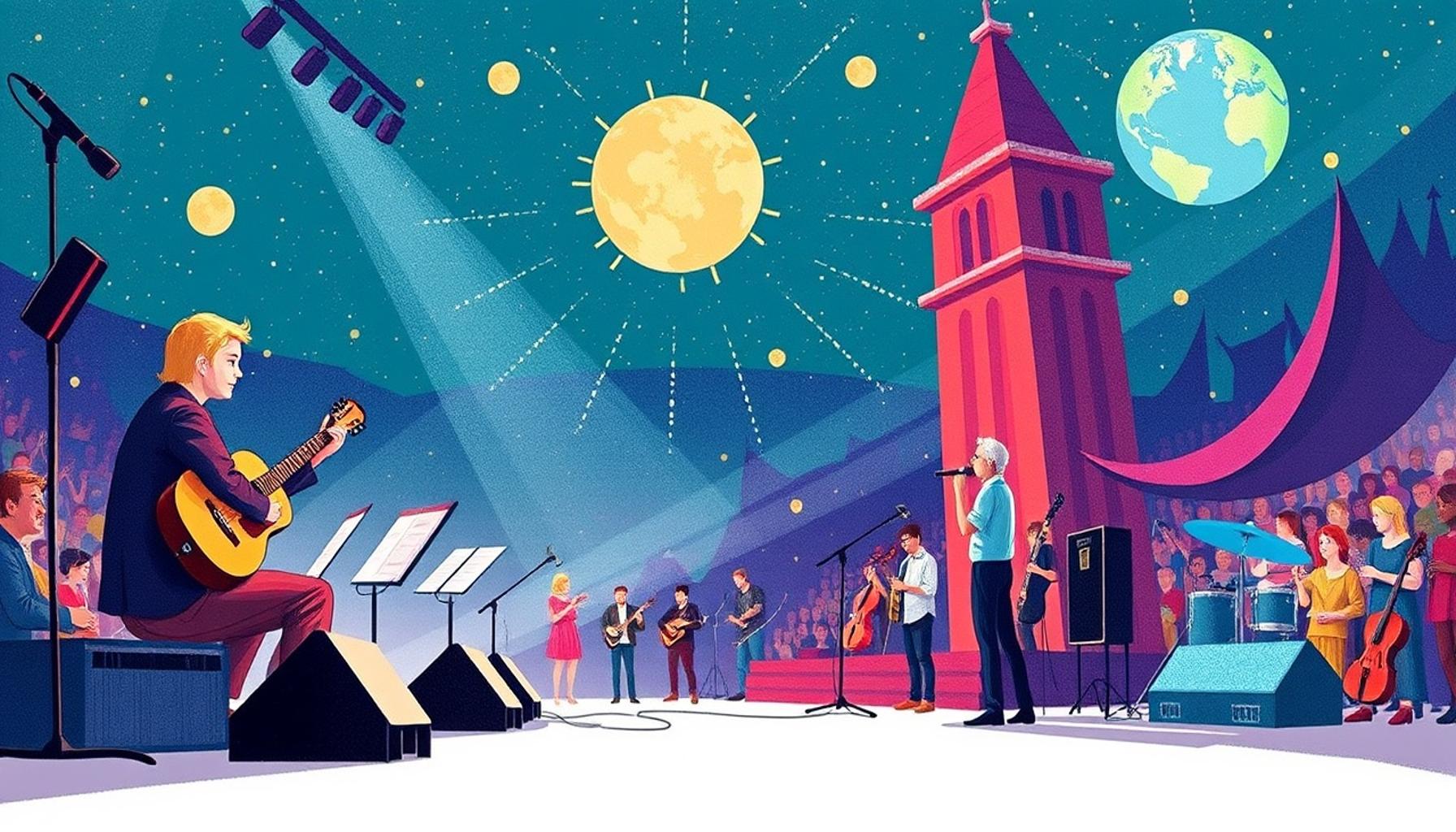
Contrast this with today’s vibrant live music scene, which encompasses a plethora of experiences that are far more accessible and diverse. Consider the thriving music festivals such as Coachella and Lollapalooza. These multi-day events celebrate a wide array of genres and artists, bringing together fans from across the globe. They create a communal atmosphere where attendees can enjoy performances from emerging acts alongside industry titans. The diversity of acts often reflects societal trends and cultural movements, showcasing how music serves as a mirror to the world.
Moreover, advancements in technology have revolutionized performances. Innovative sound systems, sophisticated lighting, and stunning visual effects can transform a concert into a multisensory experience. Artists now incorporate technology in ways that enhance their music, such as interactive visuals that respond to the rhythm or live-streaming shows, making performances accessible to audiences who cannot physically attend. In 2020, for instance, many artists turned to virtual concerts to reach fans during the pandemic, demonstrating the music industry’s adaptability.
Audience interaction has also evolved significantly. Platforms like Instagram and Twitter allow fans to connect with their favorite artists in real-time, creating a sense of intimacy that was previously unattainable. Artists share behind-the-scenes content, respond to fan inquiries, and even invite fans to participate in live conversations, blurring the lines between performer and spectator. This direct engagement significantly shapes the concert experience, empowering fans to feel more involved and valued.
The dynamic progression of live music raises intriguing questions about its future. As we delve into the nuances of this evolution, we discover a rich tapestry woven from changing formats and cultural significance. Will future concerts push the boundaries of virtual reality? How will the relationship between artists and their audiences continue to develop? These are just a few of the considerations that underscore the transformative journey of live music and suggest paths for further exploration.
DISCOVER MORE: Click here to learn how to build connections
The Foundation of Classical Concerts
The genesis of live music performance can be traced back to the grandeur of classical concerts, where the emphasis was not only on the music but also on the artistry and the environment in which it was presented. These concerts, often held in opulent venues, showcased celebrated composers and musicians whose works shaped the cultural landscape. The renowned figures of the classical era, such as Ludwig van Beethoven and Johann Sebastian Bach, created masterpieces that transcended their time, drawing audiences into a world of emotional depth and complexity.
During this period, the concert hall became a central hub for musical performance. Major cities across the United States, such as New York and Chicago, established iconic venues that continue to be anchors of cultural enrichment. The Boston Symphony Hall, opened in 1900, is hailed for its exceptional acoustics and has hosted thousands of concerts, bridging the past and present of live music experience. In these classical performances, the connection between musician and audience was often palpable, with the atmosphere filled with a profound sense of reverence.
Concert Etiquette and Formality
The formality associated with classical concerts also cannot be overlooked. Attendees typically adhered to a strict dress code, reflecting the social status and decorum of the time. Men donned tuxedos, while women wore elegant gowns, embodying the decorum that characterized these gatherings. This ritualistic formality extended beyond attire to include the behavior expected from the audience. Silence was respected, and applause was often reserved for the conclusion of a performance, reinforcing the seriousness with which music was regarded.
- Intimacy: Classical concerts allowed for a direct emotional connection between performers and the audience, amplifying the impact of the music.
- Prestige: Attending a concert was often seen as an elite social event, enhancing the status of those involved.
- Exclusivity: The limited seating capacity of concert halls restricted audience numbers, creating an intimate atmosphere.
This formality and exclusivity began to shift as music evolved. The late 20th century marked the emergence of a new cultural movement that sought to make live music more inclusive and accessible. A pivotal moment came with the advent of rock and pop music, which brought a fresh energy to live performances. Emerging artists broke away from the restrained elegance of classical concerts, opting for more casual settings and environments, where the focus was not only on the performance but also on the overall experience.
The Birth of Outdoor Music Festivals
The evolution of live music took a significant leap forward with the inception of outdoor music festivals in the 1960s. Events like the iconic Woodstock Festival in 1969 not only showcased music but also became a symbol of counterculture and social change. These festivals combined a diverse lineup of artists with a communal atmosphere that encouraged fans to immerse themselves in the experience, highlighting the shift towards larger, more inclusive performances that reached diverse demographics.
As we examine the journey from classical concerts to modern festivals, it becomes evident that each era has played a pivotal role in shaping the music experience we cherish today. The intimate settings of the past helped cultivate an appreciation for the art form, while contemporary festivals have redefined what it means to connect through music. The evolution continues, inviting us to explore what lies ahead in the world of live performance.
The Transformation of Audience Experience
The evolution of live music performance has significantly transformed the audience experience. In the early days of classical concerts, audiences were subject to strict etiquette, where silence was paramount and the focus remained solely on the performers. However, as music genres expanded and diversified, particularly with the rise of rock, pop, and electronic music, the dynamics between artist and audience began to change. Modern festivals, like Coachella and Glastonbury, foster an environment of active participation and engagement. The festival atmosphere invites fans to not only listen but also to dance, sing, and interact with the performers. This shift has cultivated a sense of community and shared experience among attendees, a stark contrast to the quietude of classical performances.Furthermore, technological advancements have enhanced the live music experience. With the advent of high-quality sound systems and immersive visual displays, audiences are now treated to multisensory experiences that elevate their enjoyment. The importance of social media in the contemporary landscape cannot be overlooked, as it plays a vital role in shaping audience engagement. Fans often share their experiences live, using platforms like Instagram and TikTok, creating a culture where attending concerts and festivals becomes a part of one’s identity.As scenes continue to evolve, artists have also adapted to these changes. Many contemporary musicians incorporate interactive elements into their performances, such as inviting fans on stage or using audience-generated content to influence their shows. This creates a unique synergy between artists and spectators, reshaping the very essence of live music.The evolution from classical concerts to modern festivals illustrates a crucial shift within the music world, making artists more accessible and performances more inclusive while highlighting the importance of audience interaction. By embracing these changes, the live music experience continually captivates and evolves, reflecting both cultural and technological advancements.
| Audience Engagement | Key Features |
|---|---|
| Active Participation | Fans dancing and singing along |
| Community Building | Shared experiences among attendees |
| Technological Advancements | High-quality sound and immersive visuals |
| Social Media Influence | Real-time sharing of experiences |
The transformation of the audience experience highlights the ongoing evolution in live music performance, creating avenues for deeper connections between fans and musicians. As we dive deeper into this evolution, it’s crucial to explore how cultural influences and technological advancements will shape the future of live music.
DIVE DEEPER: Click here to discover how art enriches education
The Rise of Rock and Its Impact on Performance Culture
The transformation in live music performance was significantly influenced by the rise of rock music in the mid-20th century. Artists such as Elvis Presley and The Beatles not only revolutionized the sound of music but redefined how performances were experienced. Rock music introduced an element of rebellion and excitement, drawing large crowds eager to be part of a cultural movement. These performances often took place in unconventional venues, such as parks and stadiums, breaking away from the restrictive atmosphere of the classical concert halls.
Integrated with this shift was the notion of experiential concerts. Rock shows turned into spectacular productions that engaged all senses, combining elaborate lighting, theatrical effects, and extended set lists that showcased an artist’s creativity and appeal. Venues like The Fillmore in San Francisco became legendary for their unique shows featuring multiple acts, setting the stage for future performances to follow suit. This evolution marked the beginning of what would soon become the hallmark of live music culture: the ability to create unforgettable experiences for the audience.
The Influence of Technology on Live Music
As live music performances evolved, so did the technology that facilitated them. The advancement of sound technology revolutionized how music was delivered to audiences. Innovations in amplification and sound mixing allowed for larger crowds and outdoor performances. The introduction of mobile stages and portable sound systems meant that festivals could take place outside dedicated venues, making music accessible to even more people. Festivals like Coachella and Lollapalooza exemplify how technology has transformed the size and scope of events, creating immersive environments that bridge the gap between artist and fan.
Moreover, the advent of social media profoundly affected the way live music is marketed and consumed. Platforms such as Instagram and TikTok have created a new dynamic, enabling artists to share live moments instantaneously with millions of followers. Fan engagement has expanded beyond the physical space of the concert, allowing for real-time interactions that reshape the concert experience. This digital connection has also allowed festivals to extend their reach, transforming traditional attendees into a digital audience and making performances more inclusive.
Modern Festivals: A Cultural Mosaic
Modern music festivals have evolved into vibrant cultural mosaics, showcasing a wide range of genres and artists. Events like Burning Man and Glastonbury highlight not only music but also art, performance, and community, pushing the boundaries of what a festival can be. The diversity of genres — from electronic to hip-hop to world music — reflects societal changes and the growing acceptance of varied cultural expressions within the live music sphere.
- Accessibility: Festivals now cater to broader audiences with tiered ticket pricing and packages, making live music an attainable experience for many.
- Community: These gatherings serve as a space for connection, celebration, and participation, embodying a sense of belonging among audiences from different walks of life.
- Environmental Awareness: Many modern festivals advocate for sustainability, utilizing renewable energy and promoting eco-friendly practices, highlighting the social responsibility that accompanies the celebration of music.
As we observe these transformative milestones, it’s clear that the evolution from classical concerts to the vibrant festivals of today encompasses more than just musical styles; it represents broader cultural shifts, technological advancements, and a reimagined connection between performers and their audience that will undoubtedly continue to evolve in the years to come.
DISCOVER MORE: Click here to dive deeper
Conclusion: The Future of Live Music Performance
The journey from traditional classical concerts to the dynamic landscape of modern music festivals illustrates a profound evolution not only in musical genres but also in cultural engagement and technological integration. As we navigate through this rich history, it becomes evident that live music has transformed from a formal, structured experience into a vibrant communal celebration, marked by a diverse array of performance styles and atmosphere.
While the rise of rock music catalyzed many of these changes, the influence of technology cannot be overstated. Enhanced sound systems, visual effects, and especially social media have redefined how audiences interact with artists and one another, ushering in an era of participation and inclusivity. Festivals now serve as platforms that transcend mere enjoyment; they foster connections and create communities united by a shared love for music.
Moreover, as modern festivals become cultural mosaics, they not only showcase musical talent but also address social issues, promote sustainability, and reflect evolving cultural values. This ongoing transformation prompts us to consider how future generations will experience live music. Will we see an even greater melding of art forms? Perhaps a deeper integration of virtual reality with live performances?
Ultimately, the evolution of live music performance is a testament to humanity’s enduring desire for connection, expression, and celebration. As we look forward, it invites us to explore new possibilities, ensuring that music continues to resonate deeply within our hearts and communities, shaping our identity in profound ways. The exploration of live music is far from over, and we are poised on the brink of what promises to be an exciting frontier.
Related posts:
The Therapeutic Benefits of Music Performance: Enhancing Mental Health Through Creativity
Exploring the Role of Improvisation in Live Music Settings
Exploring Cross-Cultural Influences in Contemporary Music Performance
The Journey of a Music Performer: From Practice to Stage
Analyzing the Influence of Costume and Stage Presence in Live Music Performance
The Therapeutic Benefits of Music Performance for Mental Health

Beatriz Johnson is a seasoned creative enthusiast and writer with a passion for simplifying the intricacies of artistic hobbies and DIY projects. With over a decade of experience exploring various creative fields, she specializes in topics like crafting, painting, and innovative DIY techniques. Through her work, Beatriz inspires readers to unleash their creativity, try new artistic endeavors, and stay inspired in the ever-evolving world of creative hobbies.