Sustainable Cuisine: Creating Delicious Dishes with Local and Seasonal Ingredients

The Beauty of Local Ingredients in Gastronomy
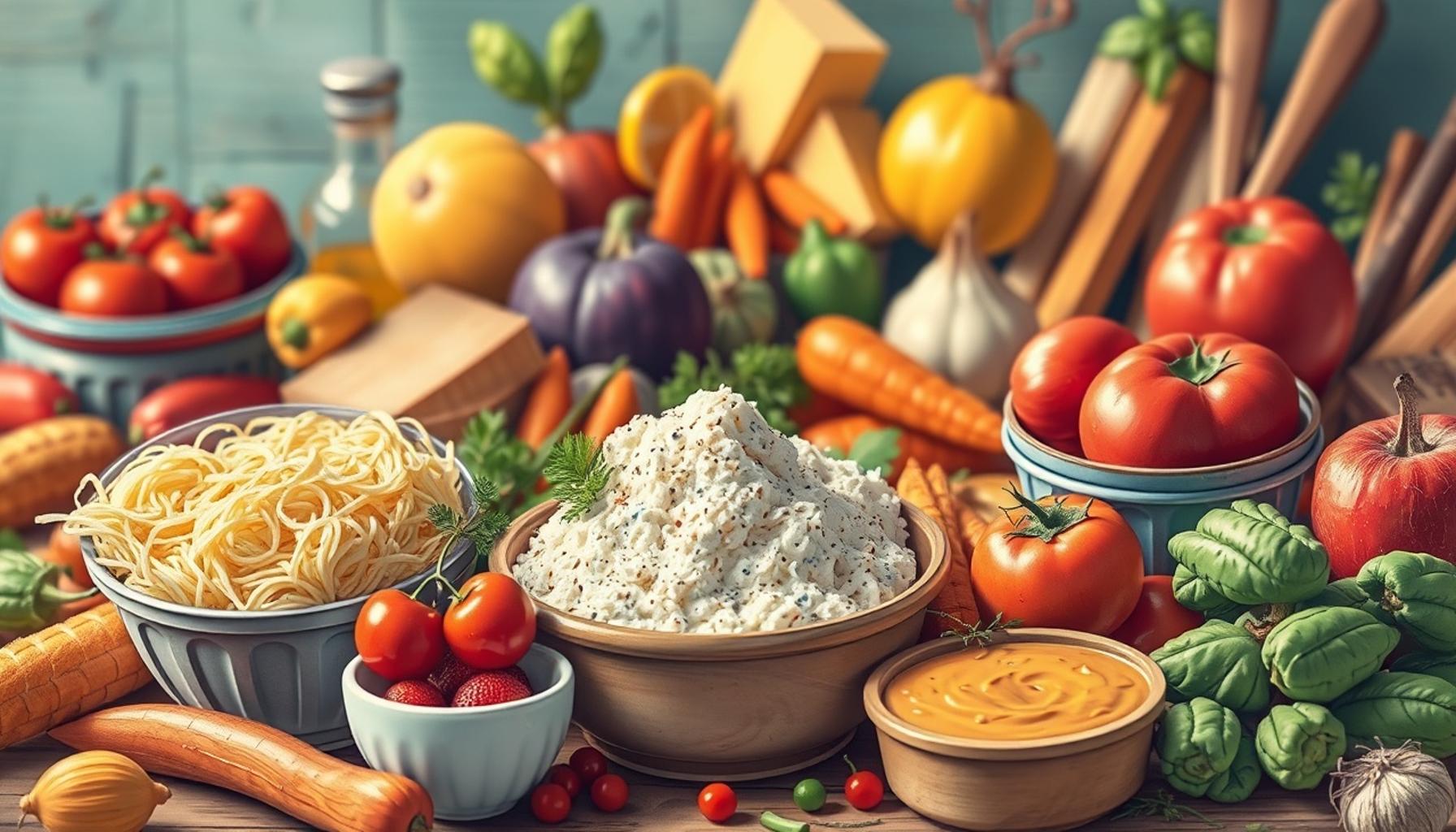
The culinary landscape is undergoing a significant transformation, with a noticeable shift towards sustainable cuisine. This evolution is characterized by a mindful approach to food sourcing—prioritizing local and seasonal ingredients that not only enhance the flavor of dishes but also consider the environmental repercussions of our food choices. As chefs and home cooks champion this movement, the connection between what’s on our plates and its broader impact on the planet becomes clearer.
Choosing local and seasonal ingredients comes with numerous advantages that extend beyond mere taste. Here are some of the pivotal benefits:
- Freshness: Ingredients sourced locally are often picked at their peak ripeness, resulting in a vibrancy and depth of flavor that is challenging to achieve with imported goods. For example, a vine-ripened tomato from a nearby farm will qualitatively outshine those that have been shipped thousands of miles.
- Support for Local Economies: When you buy locally, you are directly contributing to the livelihoods of farmers and entrepreneurs within your community. This fosters a resilient economy where local businesses can thrive, ultimately creating more job opportunities.
- Environmental Benefits: Local sourcing reduces the carbon emissions associated with transporting food across long distances. This is particularly relevant in a country like the United States, where the industrial food system often relies on fossil fuel-heavy logistics.
Across the diverse regions of the United States, each season brings its unique bounty. For instance, summer in California presents an abundance of sweet peaches and vibrant heirloom tomatoes, while the crispness of fall in New England ushers in hearty squash and earthy root vegetables. These seasonal ingredients not only shape the local cuisine but inspire creativity in home kitchens, allowing for dishes that celebrate regional flavors.
Embarking on a journey into sustainable cuisine invites one to explore the myriad ways to create mouthwatering dishes that nurture both the palate and the planet. From hosting farm-to-table dinners highlighting local farmers’ produce to experimenting with seasonal recipes that reflect the rhythms of nature, there are countless opportunities to engage with food in a more responsible manner. For instance, a simple dish featuring roasted local butternut squash drizzled with honey and garnished with fresh sage can provide a delightful taste of the harvest season.
As awareness of sustainable eating continues to grow, it’s an exciting time to discover how local ingredients can lead to more flavorful and responsible meals. Dive deeper into this movement to uncover new recipes, support your local economy, and contribute positively to the environment. Remember, embracing sustainable cuisine is not just a trend; it is a path towards conscious eating, enriched with flavor and aligned with ecological stewardship.
DISCOVER MORE: Click here to dive deeper
Exploring Seasonal Flavors and Culinary Creativity
As we delve deeper into the world of sustainable cuisine, it’s clear that cooking with local and seasonal ingredients isn’t just a philosophy; it’s a vibrant tapestry of flavors waiting to be explored. Each season offers its own unique offerings that allow us to create delicious dishes that not only taste well but also reflect the rhythms of nature. In the spring, for instance, the earth awakens with tender greens, asparagus, and radishes, inviting the use of fresh salads and light pasta dishes that highlight their crisp textures and delicate flavors.
Let’s take a moment to consider how to fully embrace the seasonal bounty available in various regions across the United States:
- Spring: Highlight early crops like asparagus, peas, and spring onions. A delightful dish could be a fresh asparagus risotto garnished with lemon zest and locally sourced cheese.
- Summer: With a plethora of tomatoes, cucumbers, and berries at their peak, summer dishes can be refreshing and vibrant. Think of a tomato and basil bruschetta, celebrating the essence of the season.
- Fall: The arrival of cooler weather brings hearty delights like squash, apples, and Brussels sprouts. A roasted pumpkin soup enriched with spices can warm the soul during crisp days.
- Winter: While winter may seem limited, root vegetables and hearty greens thrive. A winter salad featuring kale, roasted beets, and walnuts creates color and nutrition on a plate.
Utilizing these seasonal ingredients not only enhances the integrity of each dish but also encourages a deeper connection between the cook and the food. In examining the seasonal calendar, chefs and home cooks alike can find inspiration that aligns with both the environment and their culinary aspirations.
Moreover, engaging with local farmers, markets, and community-supported agriculture (CSA) programs can provide unique opportunities to discover what’s fresh and in season. Not only does this support the local economy, but it fosters a sense of community as you learn from the growers about the stories behind their produce. Cooking with their offerings allows you to create meals that are personal and place-based.
The practice of creating delicious dishes with local and seasonal ingredients challenges us to be more innovative in the kitchen. Instead of relying on pre-packaged goods or out-of-season produce, we have the chance to experiment with parts of ingredients that are often overlooked, such as beet greens or radish tops. This not only reduces waste but also adds depth to our meals. The transformation of simple seasonal produce into exquisite dishes prompts the question: how can we elevate the flavors in our cooking?
As we embrace this culinary journey, the concept of sustainable cuisine becomes vividly defined through our choices and creative endeavors. With each dish that we prepare, we position ourselves as stewards of our planet while celebrating the unique flavors that can only come from local fields and seasonal harvests.
| Advantages | Details |
|---|---|
| Enhanced Flavor Profiles | Utilizing local and seasonal ingredients often results in superior taste due to peak ripeness and freshness. |
| Environmental Benefits | Adopting sustainable practices reduces carbon footprints and supports biodiversity while minimizing waste in the food supply chain. |
The movement towards sustainable cuisine firmly establishes the link between food choices and environmental health. By focusing on local and seasonal ingredients, chefs and home cooks alike can create dishes that not only burst with flavor but also contribute to a more sustainable planet. For instance, integrating fresh produce from nearby farms minimizes the energy used in transportation and promotes economic stability within local communities. Eating seasonally encourages variety in the diet, as different ingredients become available throughout the year, inspiring culinary creativity.Moreover, selecting ingredients based on their seasonal availability helps maintain a responsible approach to eating, encouraging individuals to appreciate the distinct flavors that nature offers in harmony with its cycles. Ingredients grown nearby or during their natural growth periods boast higher nutritional value and flavor intensity, making meals not just more enjoyable, but also healthier. Each meal becomes a celebration of what the earth provides at its best, leading to more mindful eating habits and deeper connections between consumers and their food sources.
DIVE DEEPER: Click here to discover the power of audience engagement
Embracing Locality and Cultivating Community Connections
As we explore the realm of sustainable cuisine, it becomes increasingly evident that the essence of this movement extends beyond simply sourcing local and seasonal ingredients. It intertwines itself with the very fabric of our communities, emphasizing the importance of cultivating relationships with local food producers and artisanal brands. By collaborating with farmers’ markets, local cooperatives, and regional suppliers, chefs can gain not only access to fresh, high-quality ingredients but also a deeper understanding of their origin and production methods. This transparency is essential in promoting a model of cuisine that respects both the environment and economy.
For instance, take the vibrant local food scene in cities like Portland, Oregon, where the emphasis on farm-to-table dining has led to an explosion of innovative restaurants focused on seasonal menus. Establishments like Fried Egg I’m In Love and Le Pigeon have made names for themselves by showcasing locally sourced ingredients in exquisite dishes that highlight both their quality and uniqueness. By including farmers, ranchers, and fishers in the conversation about culinary creation, a thriving ecosystem emerges that promotes sustainability and creativity.
Additionally, the growth of community-supported agriculture (CSA) programs offers an incredible opportunity for consumers to engage directly with local farmers. Subscribers receive a box of seasonal produce each week, resulting in an element of surprise and excitement in their cooking routines. This often leads to culinary experimentation with new ingredients that may have otherwise gone untried—perhaps turnips, kohlrabi, or heirloom varieties of vegetables. Such programs not only cut down on carbon emissions from transportation but also foster a unique bond between consumers and food producers, strengthening local ecosystems.
The impact of embracing local and seasonal cuisine can be substantiated with data reflecting consumer interest in sustainability. According to the National Restaurant Association, over 90% of consumers prioritize food quality and 70% would pay extra for dishes made with locally sourced ingredients. This indicates a significant shift in collective dining preferences, inviting restaurateurs and home cooks alike to adapt their menus and cooking methods accordingly.
Moreover, we must consider how sustainable cuisine contributes to biodiversity. Choosing to support heirloom varieties and native crops not only enhances flavor diversity but also helps preserve crop genetic diversity. For example, heritage grains like spelt and emmer are gaining attention among local bakers and chefs as they seek to create bread with depth of flavor while supporting sustainable farming practices.
Incorporating suggestions from local foragers can provide even more depth to cooking with seasonal ingredients. The identification and use of edible wild plants like ramps, dandelions, and wood sorrel enrich our understanding of local ecosystems and biodiversity—allowing us to expand our palates while respecting the earth’s offerings.
Ultimately, embarking on a journey through the world of sustainable cuisine is more than just a focus on seasonal eating; it’s about embracing an ethos of respect for local farmers, our environment, and our community. The flavors and creations that emerge from this practice reflect a conscientious choice to celebrate the cycles of our land while nourishing our bodies and spirit.
DISCOVER MORE: Click here to dive deeper
Conclusion: A Culinary Revolution Towards Sustainability
In conclusion, sustainable cuisine transcends mere dietary choices; it embodies a transformative approach toward how we interact with our food, our environment, and our communities. By embracing local and seasonal ingredients, we not only savor the freshest flavors but also support our local economies, reduce carbon footprints, and foster a closer relationship with our food producers. The rise of farm-to-table practices and community-supported agriculture (CSA) programs highlights our growing commitment to sustainability, showcasing a shift in consumer preferences that values quality and ethical sourcing above convenience.
The culinary landscape today is enriched by chefs and home cooks who are passionately advocating for biodiversity by exploring heirloom varieties and native crops. This not only enhances our dining experience but also plays a crucial role in preserving agricultural diversity. Additionally, tapping into local foraging allows us to reconnect with the natural world, offering unique flavors while respecting our environment.
The data revealing that over 90% of consumers prioritize food quality and that a significant proportion is willing to pay more for local ingredients reinforces the importance of this culinary journey. It presents a clear opportunity for restaurateurs and home cooks alike to adapt their practices and contribute to a more sustainable future.
Ultimately, engaging with sustainable cuisine calls us to recognize the profound impact of our choices, encouraging us to create dishes that not only delight the palate but also honor the earth and our communities. Let us embark on this flavorful journey, championing sustainability with every meal we prepare and enjoy.
Related posts:
The Science Behind Cooking: How Chemistry Transforms Flavors
Family Cooking: Fun Recipes to Cook with Kids
The Evolution of Culinary Techniques: From Tradition to Innovation
The Art of Presentation: Transforming Dishes into Visual Experiences
Sustainable Cuisine: How to Create Delicious Dishes with Local Ingredients
Seasonal Kitchen: Creating Themed Menus for Every Time of Year

Beatriz Johnson is a seasoned creative enthusiast and writer with a passion for simplifying the intricacies of artistic hobbies and DIY projects. With over a decade of experience exploring various creative fields, she specializes in topics like crafting, painting, and innovative DIY techniques. Through her work, Beatriz inspires readers to unleash their creativity, try new artistic endeavors, and stay inspired in the ever-evolving world of creative hobbies.