

Understanding the Evolution of Computer Vision
The realm of computer vision is now an extraordinary blend of artificial intelligence, robotics, and deep learning. From its humble origins in the late 20th century, where the focus was primarily on basic techniques for processing images, the field has dramatically transformed into a multi-faceted discipline that permeates many aspects of human life. Today, as technology continues to advance at an unprecedented pace, computer vision stands at the forefront, revolutionizing industries across the globe—particularly in America, where innovation is a hallmark of various sectors.
One of the most significant catalysts for this shift has been the advancements in machine learning. Modern algorithms are no longer merely following rigid programming scripts; they are capable of learning and evolving from the vast amounts of data fed into them. For example, convolutional neural networks (CNNs) have emerged as powerful tools for image classification, enabling applications that range from recognizing handwritten digits to identifying everyday objects in photographs.
In tandem with machine learning, the rise of big data has played an instrumental role in enhancing model training. Data sources such as social media platforms, smart devices, and online databases contribute to a colossal influx of data, enriching the pool from which algorithms can learn. For instance, facial recognition technologies leverage millions of images to improve their accuracy and reliability. This has significant implications not only for security, as evident in law enforcement and surveillance camera systems, but also for personalized customer experiences in retail through targeted advertising.
Moreover, the role of powerful hardware cannot be overstated. Developments in graphic processing units (GPUs) and specialized chips, such as those used in TensorFlow, provide the necessary computing power to process complex algorithms in real time. This capability is pivotal in applications like autonomous vehicles, where split-second decisions are crucial for navigation and obstacle avoidance. By utilizing sophisticated sensors combined with computer vision, these systems can interpret surroundings, making them a substantial milestone toward safer transportation.
Broadening Applications
As the capabilities of computer vision continue to expand, so too do its applications. The use of facial recognition spans a multitude of domains, including secure access to smartphones, airports, and public events, thus enhancing safety while also raising discussions about privacy and ethical implications. In the realm of medical imaging, technologies powered by computer vision are reshaping the landscape of healthcare. For instance, AI-driven analysis of X-rays, MRIs, and CT scans is improving diagnostic accuracy while aiding in early detection of diseases, such as cancer.
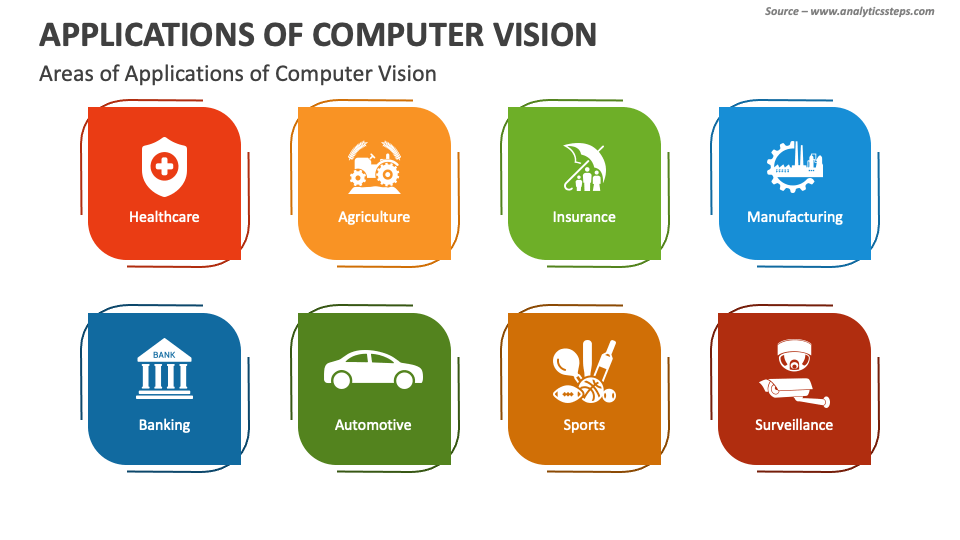
Furthermore, industries such as manufacturing are adopting computer vision for quality control. Companies leverage image recognition systems to identify defects on production lines, ensuring superior product output while reducing the need for extensive human oversight.
Looking Forward
The evolution of computer vision reveals not just its transformative impacts but also paves the way for future innovations. As sectors increasingly adopt this technology, we find ourselves on a cusp of newfound efficiencies and productivity gains. The potential for expanding computer vision into areas like agriculture—monitoring crop health through drone footage—or even environmental monitoring presents tantalizing possibilities ahead, underscoring the technology’s limitless potential.
Understanding this evolution invites readers to delve deeper into the world of computer vision, actively exploring how such advancements could shape our everyday lives in ways we have yet to fully imagine. With each technological leap, we edge closer to a future where machines and humans collaborate seamlessly, redefining our interactions with the physical world.
Transformative Impact of Computer Vision on Key Industries
The transformative impact of computer vision extends far beyond theoretical advancements and academic research; it is actively reshaping key industries and redefining operational standards. By leveraging sophisticated algorithms and abundant data, industries are harnessing the power of computer vision to drive efficiency, enhance productivity, and create innovative solutions to longstanding challenges.
One predominant area where computer vision has made significant inroads is in the automotive industry. The development of autonomous vehicles relies heavily on advanced computer vision techniques. Vehicles equipped with this technology utilize cameras, sensors, and sophisticated image-processing algorithms to monitor and interpret their surroundings accurately. Real-time data allows these vehicles to make instantaneous decisions, such as adjusting speed to navigate traffic, recognizing stop signs, and detecting pedestrians. According to a report by the National Highway Traffic Safety Administration (NHTSA), approximately 94% of traffic accidents are caused by human error, making the push for autonomous driving systems all the more critical for road safety. Implementing robust computer vision systems could dramatically reduce these figures and pave the way for a safer transportation ecosystem.
The healthcare sector is another frontier experiencing a technological renaissance thanks to computer vision. Medical imaging systems enhanced by artificial intelligence can analyze X-rays, MRIs, and CT scans much more rapidly and effectively than traditional methods. This enables healthcare professionals to detect anomalies such as tumors or fractures with higher accuracy, leading to more personalized treatment plans. For instance, a study published in the journal Nature demonstrated that AI-powered analysis of radiological images outperformed human radiologists in diagnosing breast cancer, highlighting the potential of computer vision to save lives and streamline healthcare processes.
Industrial Applications and Quality Control
The manufacturing industry is yet another sector where computer vision is revolutionizing operations. Manufacturers are increasingly integrating vision systems into production lines for quality assurance. By employing automated image recognition systems, businesses can identify defects, measure dimensions, and ensure that products meet established standards before they reach consumers. This not only enhances the quality of the products but significantly decreases production delays and costs associated with human error. Consider the following advantages of using computer vision in manufacturing:
- Increased consistency in product quality, leading to higher customer satisfaction.
- Reduced labor costs due to the minimization of manual oversight in quality control processes.
- Faster production times as machines can operate continuously without fatigue.
As we delve deeper into the myriad applications of computer vision, it becomes clear that its reach extends into sectors as diverse as agriculture, retail, and security. From optimizing crop health monitoring with drone technology to enhancing customer experiences through personalized marketing, the depth of computer vision’s impact is extensive and continues to expand. Each new innovation brings not only newfound efficiencies but also a series of considerations regarding ethics, privacy, and societal implications.
Understanding the interplay of these factors is crucial as we chart the future trajectory of computer vision and its role in shaping our world. The acceleration of this technology is not merely about convenience; it encapsulates the essence of humanity’s ability to innovate and adapt to an ever-evolving landscape.
| Application Area | Impact |
|---|---|
| Healthcare | Enables preliminary disease detection through image analysis and enhances surgical precision. |
| Automotive | Drives advancements in autonomous vehicles, providing crucial safety features via object recognition. |
| Retail | Improves customer experience through visual search, increasing sales and engagement. |
| Manufacturing | Automates quality control using real-time defect detection, enhancing efficiency and reducing costs. |
The evolution of computer vision has permeated numerous sectors, showcasing its transformative power and influence. In the healthcare industry, computer vision systems facilitate early disease identification by analyzing medical images like X-rays and MRIs, allowing healthcare professionals to make timely decisions. The automotive industry benefits significantly from these advancements, especially in the realm of autonomous driving. Here, computer vision plays a pivotal role in interpreting environmental data, enhancing safety systems like pedestrian detection and lane-keeping assistance.Retail applications harness computer vision technology to create immersive shopping experiences. By utilizing image recognition, businesses can enhance personalized marketing strategies and provide seamless interactions through virtual fitting rooms or self-checkout services. In manufacturing, visual inspection systems ensure quality assurance on production lines, where real-time defect detection reduces waste and operational costs, ultimately leading to a more streamlined process.These applications reveal the expansive reach of computer vision, driven by its continual evolution and integration into daily operations across various industries. The ongoing research in this field indicates an exciting future, where advancements will likely lead to even more profound impacts on modern industry practices.
DISCOVER MORE: Click here to dive deeper
Emerging Innovations and Future Prospects
As computer vision continues to mature, its innovations are creating a ripple effect across industries with promising applications and potential advancements. One remarkable area of progress is in retail, where businesses are leveraging computer vision systems to analyze consumer behavior and optimize inventory management. By using cameras equipped with artificial intelligence, retailers can track customer movements in physical stores, allowing them to gain valuable insights into shopping patterns. This data not only enhances marketing strategies but also improves product placements and store layouts, ultimately driving sales and improving customer satisfaction.
Moreover, the advent of contactless shopping technologies, such as Amazon Go, illustrates the transformative nature of computer vision in providing seamless customer experiences. By integrating facial recognition and object detection systems, these platforms allow shoppers to simply walk out with their purchases, with charges automatically processed via mobile apps. The implications of such innovations are profound, suggesting a future where traditional checkout lines become obsolete, fostering a whole new dimension in retail operations.
Computer Vision in Agriculture: Feeding the Future
The agricultural sector is yet another domain ripe for disruption through computer vision technologies. Precision farming is revolutionizing the way farmers approach crop management and yield optimization. By employing drones equipped with imaging sensors, farmers can monitor crop health, assess irrigation needs, and detect the presence of pests and diseases early on. This real-time data collection allows for swift intervention and minimizes potential losses.
A noteworthy example is the application of computer vision in assessing crop yield through analysis of digital images combined with machine learning algorithms. Studies reveal that farms utilizing these technologies can increase their yield predictive accuracy by over 20%, thereby optimizing resource allocation and ensuring food security. As the global population continues to rise, innovative applications of computer vision in agriculture could be key to sustainable food production.
Security and Surveillance: A Growing Necessity
In today’s world, where safety and security have become paramount, computer vision technologies are being widely adopted in the realm of surveillance and security systems. Advanced facial recognition software allows law enforcement agencies to identify individuals in real-time, enhancing public safety measures effectively. Moreover, intelligent video analytics can detect unusual behavior patterns, triggering alerts to security personnel and facilitating prompt responses to potential threats.
According to a report from the International Data Corporation (IDC), global spending on video surveillance systems is expected to exceed $40 billion by 2024, underscoring the increasing reliance on computer vision in maintaining security. This trend raises important discussions regarding ethical considerations, as it inadvertently leads to concerns about privacy and surveillance overreach, necessitating a careful balance between safety and individual rights.
AI-driven Innovations: Bridging Creativity and Technology
The intersection of computer vision with artificial intelligence extends into more creative domains as well. In fields such as entertainment and gaming, computer vision is being used to enhance user experience through gesture recognition and immersive environments. As seen in virtual and augmented reality applications, these technologies enrich interactions by allowing users to engage physically within digital landscapes.
Furthermore, in the realm of content creation, companies are utilizing computer vision for automating video editing processes. Advanced algorithms can analyze visual content and make decisions about cuts, transitions, and effects based on established criteria. This innovation not only streamlines production but also democratizes content creation, enabling more individuals to engage and create in the digital space.
In all these applications, the evolution of computer vision is set to unlock possibilities we have yet to imagine, moving us towards a future that seamlessly integrates technology with various aspects of daily life. Each advancement not only demonstrates the potential for efficiency and innovation but also invites ongoing dialogue about the ethical and societal implications that accompany these powerful technologies.
DIVE DEEPER: Click here to learn more
Conclusion: The Future of Computer Vision in Industry
The evolution of computer vision has undeniably transformed multiple sectors, reshaping business models and improving operational efficiencies across the board. From retail to agriculture, and security to entertainment, companies are increasingly capitalizing on advanced imaging technologies to enhance customer experience, optimize resources, and safeguard public safety. As illustrated, innovative applications like facial recognition technology in surveillance and precision farming techniques are not just enhancing productivity but also addressing pressing global challenges, such as food security and urban safety.
However, as we delve deeper into this complex landscape, it is crucial to consider the ethical implications surrounding the deployment of these technologies. Issues such as privacy concerns, data security, and societal impacts necessitate a balanced approach that promotes innovation while safeguarding individual rights. Industry stakeholders must engage in ongoing dialogue to ensure responsible use of computer vision systems, avoiding overreach and enhancing public trust.
Looking ahead, the potential for computer vision continues to expand with advancements in artificial intelligence and machine learning, paving the way for even more sophisticated applications. As businesses and consumers embrace these technologies, the integration of computer vision into everyday life will likely become more seamless and intuitive, reshaping not only industries but also the way we interact with the world around us. To remain competitive, businesses must invest in these transformative technologies and maintain awareness of both their challenges and their boundless possibilities.
In essence, the trajectory of computer vision is not only about technological advancement but the fundamental interplay between innovation, ethics, and human experience. As we stand on the brink of this technological revolution, continuous exploration and adaptation will be key to unlocking the full potential of computer vision in modern industry.