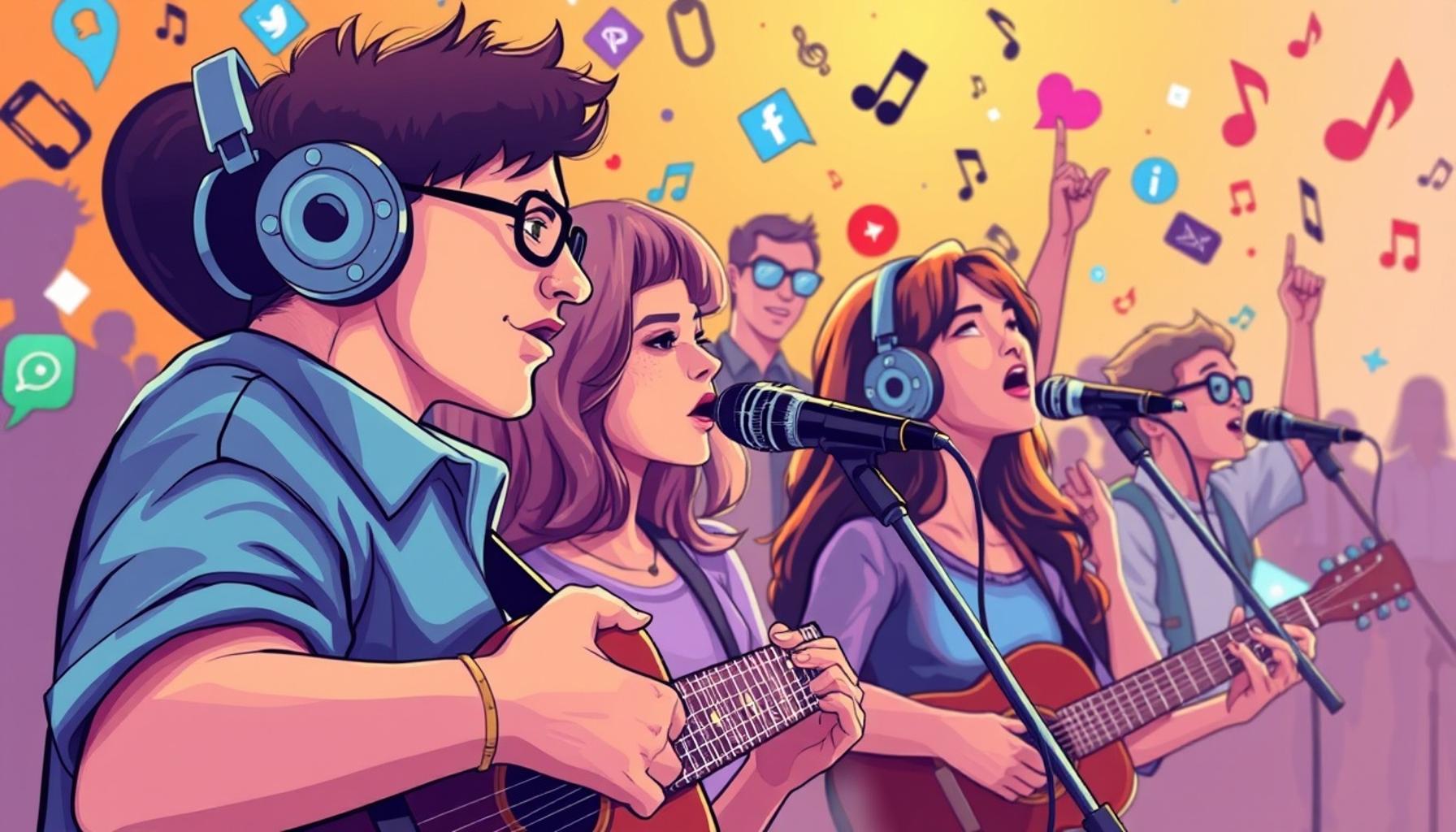
Exploring the Role of Improvisation in Live Music Settings
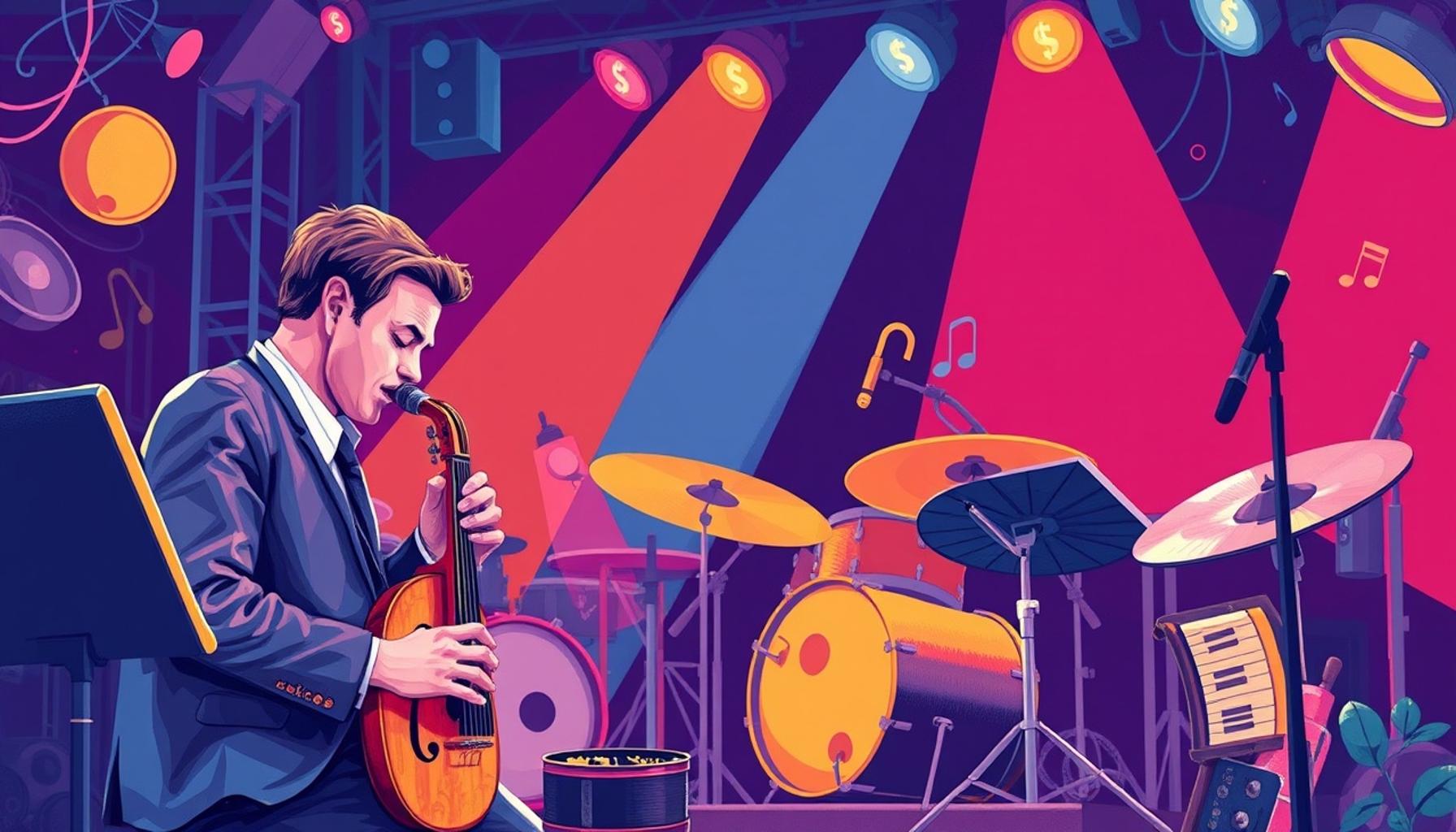
The Role of Improvisation in Live Music Performances
In the realm of live music, improvisation stands out as a key element that elevates performances from the ordinary to the extraordinary. This element not only invigorates setlists but also invites the audience into a shared creative journey. As musicians take the stage, their ability to adapt and innovate in real-time becomes essential, contributing to a unique musical dialogue that is different at every concert.
- Spontaneity: Artists often engage in spontaneous exchanges, where they might seamlessly riff off one another. For example, a guitarist’s soaring solo can inspire a drummer to alter their rhythm mid-song, leading to unexpected yet thrilling variations in the music. This gives each performance a freshness, where no two shows are ever quite the same.
- Connection: Improvisation creates a palpable connection not only among musicians but also between the performers and the audience. When a singer improvises a lyric or a musician embarks on an unscripted solo, it draws listeners in, making them feel like active participants rather than mere spectators. This engagement can result in a more memorable and heartfelt experience for everyone involved.
- Creativity: Each performance acts like an artistic canvas, where musicians express their emotions and skills in unique ways. This level of creativity can break traditional boundaries, allowing them to explore genres and styles beyond their usual repertoire. Such experimentation can lead to innovative musical intersections that excite audiences and invigorate the artists themselves.
The breadth of improvisation is ever-present across diverse music genres, each offering distinct avenues for expression. In jazz, for instance, improvisation is not only common but essential. Musicians like Miles Davis and John Coltrane excelled at pushing the limits of their instruments, showcasing their technical prowess through intricate solos. This freedom allows jazz performances to evolve organically during each show, highlighting the ephemeral nature of live music.
Rock and roll, on the other hand, often utilizes improvisation to inject energy into live performances. Iconic guitarists like Jimi Hendrix and Eric Clapton frequently took liberties with their solos, transforming well-known tracks into exhilarating showcases of skill and creativity. These improvisations can evoke powerful emotions, leaving lasting impressions on audiences.
In the world of electronic music, improvisation can take on a different form, often involving real-time remixing and beat manipulation. DJs and producers, such as Skrillex and Daft Punk, utilize technology to create fluid soundscapes that shift and change as the performance unfolds. This gives listeners an immersive experience, where the music feels alive and ever-changing.
Beyond the performative aspects, it is crucial to explore the psychological and social dimensions of improvisation in live music settings. The exchange of energy between performers and fans can lead to a communal experience that resonates on a deeper level. The unpredictability of live improvisation can evoke a sense of anticipation and excitement, making each concert unforgettable.
As we delve deeper into these questions, we uncover the complex layers of improvisation in live music performances, inviting readers to appreciate the art of spontaneity in a musical landscape that is as rich and diverse as the country itself.
DISCOVER: Click here for delightful DIY holiday decorations
Understanding Improvisation in Diverse Genres
Improvisation is a dynamic force in live music that significantly enhances the audience’s experience while showcasing the performers’ artistry. At its core, improvisation allows musicians to deviate from the predefined script, creating fresh interpretations of their music. This quality is not confined to jazz and rock; rather, it threads through various genres, each interpreting it uniquely. To appreciate this improvisational skill effectively, it’s essential to examine how different musical styles employ it in live settings.
- Jazz: Within the jazz genre, improvisation is the cornerstone of musical expression. Unlike other music forms that strictly adhere to compositions, jazz musicians embrace improvisation as an essential practice. Artists take turns showcasing their creativity through extended solos, often inspired by the current mood of the ensemble or the audience’s energy. The improvisational prowess of renowned musicians such as Miles Davis and John Coltrane exemplifies how improvisation can elevate a performance by introducing novel melodies and harmonic explorations.
- Rock: Rock music has a rich history of spontaneous creativity, where musicians often transform setlists during live performances. Iconic guitar solos by legends like Jimi Hendrix often included unscripted riffs that would electrify audiences. This practice not only captures the essence of rock but also allows performers to infuse energy into familiar songs, making each concert its own unique experience.
- Hip-Hop: In the hip-hop realm, improvisation often manifests through freestyling—a practice that highlights rappers’ lyrical dexterity and quick thinking. Artists like Juicy J and Freddie Gibbs showcase their skills by weaving spontaneous verses that reflect the moment’s vibe, offering a compelling and interactive experience for fans.
- Classical: Interestingly, improvisation has historical roots in classical music as well. In the Baroque era, it was commonplace for performers to embellish or even alter the written music during recitals, a practice known as “figured bass.” Contemporary classical musicians are reigniting this tradition, paving the way for modern interpretations and improvisational performances.
The rich tapestry of these genres illustrates that improvisation is not merely an add-on to live music; it is a transformative process that redefines how music is experienced. It promotes a collaborative atmosphere where musicians support each other’s creativity. As artists draw inspiration from one another, they create an authentic soundscape that reflects both their individual voices and the collective energy of their performance.
To understand the psychological impact of improvisation further, one must consider how it influences the audience’s perception of the music. The element of surprise inherent in improvisational performances fosters a sense of excitement and anticipation among listeners. Each keystroke on the piano or strum of the guitar can take a performance in a completely new direction, creating a tapestry of emotions that hooks fans into the moment. This spontaneity contributes to a connection between the audience and the performers, enhancing the overall experience and imparting lasting impressions.
As we continue examining improvisation’s role in live settings, it becomes clear that this art form transcends mere performance, weaving itself into the very fabric of how music is created and enjoyed across genres.
Improvisation in live music settings serves as a dynamic conduit for creativity and connection. Musicians often draw upon their intuition, spontaneity, and collaborative interactions to craft unique musical experiences in real time. This aspect not only enriches performances but also fosters deeper bonds between artists and their audiences. As listeners, people become invested in the evolving soundscapes, enabling them to engage more profoundly with the music.
The process of improvisation allows artists to experiment with different musical styles and genres, freeing them from the constraints of set lists and rehearsed pieces. This flexibility can lead to unexpected and exhilarating moments during performances, captivating audiences and making each event a one-of-a-kind experience. Jazz musicians, for instance, often employ improvisation to transform familiar tunes into something fresh and spontaneous, inviting the audience to share in the moment.
Moreover, improvisation encourages collaboration among musicians. Ensembles may respond to one another’s cues, weaving together varied musical ideas and expressions. This kind of synergy showcases not only individual skills but also the group’s collective creativity. Such collaborative efforts can result in rich textures and innovative melodies that might not have emerged in a more structured setting.
Insisting on both musicians’ and listeners’ ability to adapt to the music as it unfolds, improvisation plays a pivotal role in shaping the atmosphere of live performances. The uncertainty and thrill of the unexpected keep audiences on the edge of their seats, eagerly awaiting the next twist and turn in the musical journey.
| Advantages of Improvisation | Impact on Live Music |
|---|---|
| Enhanced Creativity | Improvisation allows artists to explore untapped musical ideas, fostering a creative environment. |
| Stronger Audience Engagement | Live improvisation captivates the audience, creating a shared emotional experience. |
The transformative power of improvisation in live music continues to inspire both musicians and audiences alike, driving them to connect through the universal language of music in spontaneous and electrifying ways.
DISCOVER MORE: Click here to find fun projects for family bonding
The Dynamics of Improvisation: Collaboration and Communication
Improvisation in live music settings not only showcases individual musicians’ talent but also emphasizes the aspect of collaboration. This relational quality is pivotal in genres where musicians interact in real-time, enhancing the depth and richness of the performance. Each artist becomes attuned to the nuances of their fellow performers, leading to a unique fusion of styles that captures the essence of the moment. In live jam sessions, for instance, the improvisational interplay among musicians creates an ever-evolving sound, inviting experimentation and risk-taking. This communal approach fosters an environment where creativity flourishes, resulting in performances that are distinct and memorable.
In jazz ensembles, the act of improvisation often mirrors a conversation, where each musician responds to and builds upon the ideas presented by others. This dialogue can be further magnified through the use of thematic variations, where one player introduces a motif, and subsequent musicians manipulate it through adaptations and extensions. Such interactive dynamics not only create a rich sonic landscape but also reflect the deep connections among artists, enhancing the overall experience for the audience. Notably, collaborations at festivals or concerts often yield unexpected and rare interpretations of familiar pieces, much like the legendary “The Last Waltz” concert, highlighting the spontaneous energy born from improvisation.
The Role of Technology in Enhancing Improvisation
As technology continues to evolve, its influence on live music and improvisation cannot be understated. Musicians today often incorporate electronic instruments, loops, and effects pedals, enabling them to explore new realms of sound. The seamless integration of technology into live performances presents fresh opportunities for improvisational creativity. For example, artists can use loop stations to layer their sounds, creating a rich tapestry of textures that amplify the depth of their live performances. This technological advancement not only widens the scope of improvisational possibilities but also attracts a younger audience that is drawn to innovative and interactive musical experiences.
Additionally, digital streaming platforms and social media have opened new avenues for collaboration and inspiration. Artists share live improvisational recordings through platforms like Instagram or YouTube, allowing them to reach global audiences instantly. This constant sharing of ideas and performances facilitates a cross-cultural exchange that enriches the improvisational landscape in live music. Musicians can borrow stylistic elements from diverse genres, creating unique hybrid forms that transcend traditional classifications and further immerse audiences in the experience.
Audience Interaction and Engagement
The role of improvisation extends beyond artists to the audience, fundamentally altering how live music is perceived and experienced. When musicians improvise, they invite listeners to partake in the emotional journey, creating a sense of connection that is hard to replicate in studio recordings. Audience response acts as a feedback loop, influencing the direction of the performance. When a crowd reacts positively to a particular riff or solo, musicians often feel compelled to expand that idea, resulting in a performance that feels alive and spontaneous. This symbiotic relationship transforms passive listeners into active participants, enhancing the dynamism of the live experience.
Furthermore, improvisation fosters a sense of authenticity for audiences. They are drawn to the idea that what they are witnessing is unique—an event that cannot be replicated. This distinctiveness often leads to a stronger emotional response, as audiences feel a shared investment in the unfolding music. As seen in large festivals like Coachella or Lollapalooza, where artists often take liberties with their setlists, these unexpected moments can resonate deeply, turning concerts into cherished memories.
Through the layers of collaboration, technological innovations, and audience engagement, it becomes evident that improvisation in live music settings serves as a vibrant catalyst for creativity and connection. This ever-evolving art form invites exploration, seamlessly merging technique with emotion, resulting in performances that continue to captivate audiences around the world.
DISCOVER MORE: Click here for inspiring upcycling ideas
Conclusion: The Transformative Power of Improvisation in Live Music
In summary, improvisation plays a pivotal role in live music settings, serving as a powerful tool for artistic expression, collaboration, and audience engagement. From jazz ensembles that create spontaneous sonic conversations to the innovative use of technology that expands creative horizons, improvisation not only enhances the performance but also reshapes the very experience of live music itself. It transforms musicians into storytellers, allowing them to weave narratives that resonate on a deeply emotional level with their audiences.
The dynamic interplay among performers invites crowds into the creative process, creating a symbiotic relationship that elevates every show to a unique event that can never be replicated. This authenticity, fueled by genuine interactions in real-time, elevates the music beyond mere entertainment and converts it into a moving shared experience. As technology continues to evolve, and with the rise of social media, the scope of improvisation expands further, encouraging cross-genre collaborations that fuel artistic innovation.
Ultimately, as musicians and audiences alike embrace the unpredictability and spontaneity of improvisation, the landscape of live music transforms, welcoming a richer and more engaging form of artistry. The future of live music, illuminated by the vibrant essence of improvisation, promises to captivate and inspire generations, making it a vital area of exploration for anyone intrigued by the artistry of sound.
Related posts:
Exploring Cross-Cultural Influences in Contemporary Music Performance
The Evolution of Music Performance Spaces: From Classical Venues to Modern Festivals
The Importance of Audience Engagement in Live Music Performances
The Role of Technology in Shaping Modern Music Performances
Analyzing the Influence of Costume and Stage Presence in Live Music Performance
The Art of Collaborating with Other Musicians: Building Synergy in Performance

Beatriz Johnson is a seasoned creative enthusiast and writer with a passion for simplifying the intricacies of artistic hobbies and DIY projects. With over a decade of experience exploring various creative fields, she specializes in topics like crafting, painting, and innovative DIY techniques. Through her work, Beatriz inspires readers to unleash their creativity, try new artistic endeavors, and stay inspired in the ever-evolving world of creative hobbies.