The Impact of Social Media on Emerging Music Performers
The Role of Social Media in Shaping the Futures of Musicians
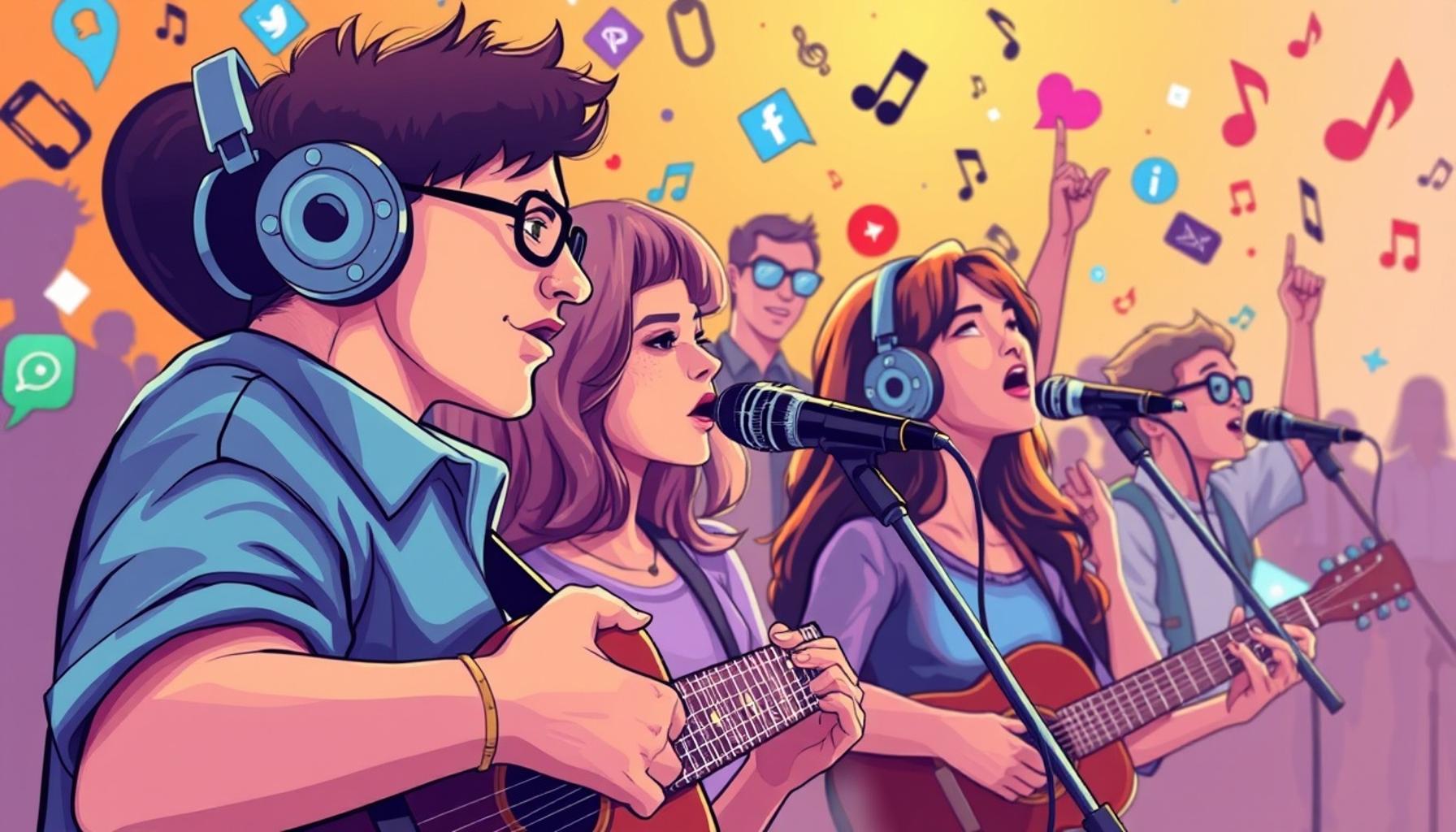
In today’s digital landscape, social media serves as an essential platform for emerging music performers to showcase their talent and connect with fans. Artists no longer rely solely on traditional music industry channels. With just a smartphone, they can reach audiences across the globe, breaking geographical barriers that once hindered independent musicians.
Consider the following aspects of the symbiotic relationship between social media and budding musicians:
- Promotion: Platforms like Instagram, TikTok, and YouTube enable artists to release snippets of their music, gaining visibility. For instance, many musicians have found success through short, catchy clips that resonate with audience trends. Viral challenges, such as the “Savage Love” dance challenge on TikTok, catapulted songs into mainstream success, illustrating the power of social media in music promotion.
- Engagement: Social media allows direct interaction with fans, creating communities around genres and artists. Musicians can host Q&A sessions, live streams, or behind-the-scenes content, fostering a sense of intimacy that traditional media lacks. This two-way communication strengthens fan loyalty, encouraging listeners to become advocates for the artist’s work.
- Opportunities: Many artists have been discovered through viral posts or trends, a phenomenon that can overturn conventional music promotion. Notably, artists like Lil Nas X gained fame through the viral hit “Old Town Road,” showcasing how a single platform can change an artist’s fortune overnight. This accessibility offers new avenues for creative exploration and storytelling through music.
Research shows that over 70% of musicians attribute their initial success to social media exposure, illustrating its critical role in shaping contemporary music careers. However, this reliance on digital platforms also invites a set of challenges and pressures that artists must navigate.
Social media can create a false sense of immediacy and perfection. Emerging musicians often feel compelled to maintain a constant stream of content, which can lead to burnout. Additionally, the pressure to conform to trending aesthetics or sounds can stifle an artist’s authentic voice, making it challenging to carve out a unique identity in a saturated market.
As we delve deeper, we will explore the transformative effects of social media on emerging music performers, discussing both the benefits and potential pitfalls they face in this online arena. This understanding is crucial for aspiring artists looking to harness the full potential of social media while safeguarding their artistic integrity.
DISCOVER: Click here to find out how your DIY projects can make a difference
The Dynamics of Music Promotion Through Social Media
Social media has fundamentally altered the way emerging music performers promote their work. Unlike previous generations, who relied on record labels and radio airplay, today’s artists have a multitude of digital platforms at their fingertips, enabling them to craft their narratives and reach potential listeners directly. The concept of organic growth has taken on new meaning, as the ability to viralize content allows for previously unknown artists to rise to fame with little more than creativity and a smartphone.
Platforms such as Instagram, TikTok, and SoundCloud are not just avenues for sharing music; they are fully fledged ecosystems that support discovery and engagement. Artists can utilize these platforms to:
- Share Music Instantly: Uploading original tracks or covers allows emerging performers to showcase their talent without the need for a studio or record label. This democratization of the music industry has enabled thousands to break into the scene.
- Participate in Challenges: Engaging in viral trends or challenges—like the #RatatouilleMusical created on TikTok—can lead to unprecedented visibility, as users flock to creators who participate in these sensations.
- Collaborate with Other Artists: Social media facilitates networking with established musicians and fellow newcomers alike. Collaborative tracks and duets can expand an artist’s reach to the collaborator’s fan base, offering further opportunities for exposure.
Furthermore, the immediacy of social media means that trends shift rapidly, and artists who can keep up with these changes have a better chance of maintaining relevance. Emerging musicians are encouraged to be not just artists but also savvy social media marketers, constantly adjusting their strategies based on real-time feedback from followers and industry trends.
However, this reliance on social media for promotion brings with it significant challenges. While the potential for viral success is enticing, the pressure to remain in the public eye is daunting. Musicians often feel the need to produce a continuous stream of content to keep their audience engaged, which can detract from their creative process and lead to artistic fatigue.
Data indicates that approximately 60% of emerging artists experience anxiety related to their social media presence, impacting their mental health and artistic expression. The fine line between personal branding and genuine artistry can become blurred, compelling musicians to adapt their image and sound to fit the prevailing social media aesthetics and trends.
The balance between leveraging the advantages of social media and preserving one’s unique voice is crucial for artists navigating this new landscape. In the following sections, we will examine how emerging performers can effectively harness these platforms to build rewarding musical careers while staying true to their creative vision.
The Influence of Social Media on Music Distribution
Social media platforms such as Instagram, Facebook, and TikTok have revolutionized how emerging music performers distribute their music. Artists can easily share their work, promote new releases, and reach potential fans directly without the constraints of traditional media. With a single post, they can announce a new single or album, create anticipation, and engage with their audience in real-time. This immediacy allows musicians not only to showcase their talent but also to build a community of supporters who feel personally connected to their journey.
Engagement and Audience Interaction
The power of fan engagement on social media cannot be overstated. Musicians can interact with their fans through comments, live sessions, and Q&As, creating a sense of belonging and loyalty. This two-way communication acts as a catalyst for grassroots growth. It bridges the gap between the artist and audience, leading to a more profound impact on a performer’s career. Fans feel invested in an artist’s progress, which can translate into increased streams, ticket sales, and merchandise purchases.
Promotion Through Viral Content
Viral content is a game-changer in music promotion today. Challenges, dances, and trends often create a wave of attention for a song. Emerging artists can utilize platforms like TikTok to kickstart a viral trend that showcases their music, leading to exposure beyond their immediate follower base. When a song goes viral, it can chart on various music platforms, granting the artist new levels of visibility and opportunities in the industry.
Collaboration Opportunities
Social media also facilitates collaborations among artists, further amplifying their reach. It enables performers to connect with other musicians and creators, working together on projects that may attract a wider audience. Collaborations can introduce artists to each other’s fan bases, thereby enriching their music and expanding their networks. It fosters a sense of community rather than competition in the industry.
| Category | Advantages |
|---|---|
| Platform Accessibility | Direct connection with fans without middlemen. |
| Cost-Effective Promotion | Low-cost methods to advertise music worldwide. |
| Real-Time Feedback | Immediate reactions to content create a dynamic growth environment. |
| Networking Opportunities | Ability to collaborate with peers and establish industry connections. |
DISCOVER MORE: Click here to enhance your mindfulness journey
The Challenges of Building Authenticity in a Digital Era
As emerging music performers navigate the intricate web of social media platforms, the quest for authenticity poses a significant challenge. In an age where curated personas often overshadow genuine artistry, musicians face immense pressure to create a public image that resonates with followers while remaining true to their musical identities. This duality of self-presentation can be particularly complex in the music industry, where trends change at the speed of a trending TikTok video.
One prominent example illustrates this phenomenon: artists like Olivia Rodrigo and Lil Nas X emerged into the public consciousness through relatable storytelling and unapologetic authenticity, empowering a generation of musicians to embrace their true selves. These artists have been celebrated not just for their music but for the way they engage their audiences with personal narratives and transparent experiences. However, this vulnerability also opens them up to scrutiny, creating a paradox where the very authenticity that attracts fans can lead to intense public judgment if expectations shift.
The struggle for maintaining authenticity can lead to what experts term “content fatigue,” a psychological state impacting approximately 50% of young musicians. This fatigue stems from the relentless cycle of content creation and engagement required to sustain an online presence. Emerging artists find themselves in a position where they must balance their artistic pursuits with a constant need to entertain or engage, which often diminishes their creative output.
Moreover, algorithm-driven platforms introduce an additional layer of complexity. In a landscape where engagement metrics dictate visibility, artists may feel compelled to tailor their musical style or content to align with prevailing trends or popular genres. A study by the Berklee College of Music highlights that 70% of emerging artists adjust their music based on current social media trends, sometimes sacrificing their unique sound for broader appeal. This phenomenon has sparked discussions among artists and industry experts about the risk of homogenization within the music industry, where innovation suffers due to the pressures of algorithmic favoritism.
Furthermore, the increasing dependence on social media metrics can distort how artists perceive their success. For many emerging performers, popularity measurements such as followers, likes, and shares become equivalent to creative validation. This shift is particularly evident on platforms like Instagram, where visual representation plays a crucial role in engagement. Emerging artists often find themselves curating social media profiles that highlight an image more than the artistry itself, which can create a disconnection between their music and the actual person behind it.
Recent surveys have indicated that around 65% of emerging musicians express concern that their social media presence overshadows their music’s quality. As this trend grows, there are calls within the community for a shift back to supporting artistry over analytics, emphasizing substance over style. Artists are encouraged to pilot personal narratives that resonate on a human level, allowing creativity to flourish beyond the constraints of social media expectations.
As the digital landscape continues to evolve, emerging music performers must navigate the complexities of social media to construct a sustainable career while staying true to their artistic vision. The swirling dynamics of engagement, authenticity, and musical integrity will challenge artists to rethink their strategies and reinforce what it means to be a musician in an increasingly interconnected world.
DIVE DEEPER: Click here to discover the significance of audience engagement in live music
Conclusion: Navigating the Digital Landscape
In conclusion, the impact of social media on emerging music performers is a double-edged sword, simultaneously providing platforms for creativity and connection while presenting unique challenges to authenticity and artistic integrity. As outlined, artists find themselves at a crossroads where they must engage effectively with audiences while navigating the pressures of online visibility and trending expectations.
The rise of influencers in the music scene has transformed traditional pathways to fame, allowing performers like Olivia Rodrigo and Lil Nas X to harness their narratives and relativity. Yet, this paradigm shift also fosters anxiety among artists, often leading them to adopt a performance mode that prioritizes influence over genuine artistry. This trend not only threatens the uniqueness of individual voices but raises important concerns about the broader industry landscape, suggesting a potential future of homogenization and repetition.
A pressing takeaway from recent studies emphasizes the importance of redefining success. Emerging artists are encouraged to focus on their creative processes rather than merely chasing engagement metrics. By prioritizing substance over surface, musicians can create a more authentic brand that resonates with listeners on a deeper level. As they forge their paths in this complex digital ecosystem, the challenge remains: how can they remain true to themselves and their artistry while effectively utilizing the tools afforded by social media?
As this evolutionary journey unfolds, the conversations prompted by these challenges will undoubtedly shape the future of music as we know it. Emerging performers must strike a balance that honors their individuality while embracing the potential of social media, ensuring that the heart of their artistry shines through amid the complexities of the digital age.
Related posts:
Analyzing the Influence of Costume and Stage Presence in Live Music Performance
The Journey of a Music Performer: From Practice to Stage
The Importance of Audience Engagement in Live Music Performances
The Therapeutic Benefits of Music Performance for Mental Health
The Evolution of Music Performance Spaces: From Classical Venues to Modern Festivals
Exploring Cross-Cultural Influences in Contemporary Music Performance

Beatriz Johnson is a seasoned creative enthusiast and writer with a passion for simplifying the intricacies of artistic hobbies and DIY projects. With over a decade of experience exploring various creative fields, she specializes in topics like crafting, painting, and innovative DIY techniques. Through her work, Beatriz inspires readers to unleash their creativity, try new artistic endeavors, and stay inspired in the ever-evolving world of creative hobbies.