

Transforming Agriculture with Robotic Automation
The integration of robotic automation in agriculture represents a pivotal moment in farming practices across the globe. Farmers, traditionally reliant on manual labor and time-consuming processes, are increasingly adopting technology. This paradigm shift is not merely a passing trend; it is a necessary evolution in response to the escalating demands for food production and the pressing environmental challenges that accompany climate change.
Key developments within this technological revolution span a range of innovative practices. For instance, precision farming techniques that employ drones enable farmers to monitor crop health from the air. These drones can capture high-resolution images to identify diseased plants early, allowing for targeted intervention that reduces the overall need for pesticides.
Furthermore, autonomous vehicles are revolutionizing planting and harvesting. These driverless machines can sow seeds and harvest crops with remarkable efficiency, thus alleviating the strain of labor shortages that many farms experience today. Farmers in states like California and Iowa are increasingly turning to these machines to ensure that their operations remain viable even when labor resources are stretched thin.
Another crucial development is the use of robotic systems for weeding and pest control. These robots can differentiate between crops and unwanted weeds, enabling precision weeding that is less harmful to the environment compared to traditional methods. For example, robots equipped with advanced imaging systems can identify and eliminate pests without the need for harmful chemicals, thereby preserving the health of the soil and surrounding ecosystems.
The backbone of this technological movement is advanced data analytics, which enables farmers to predict yield outcomes with greater accuracy. By analyzing weather patterns, soil conditions, and crop performance data, farmers can create tailored plans for planting and harvesting that maximize their output. This data-driven approach not only enhances productivity but also reduces waste associated with overplanting or mismanaging resources.
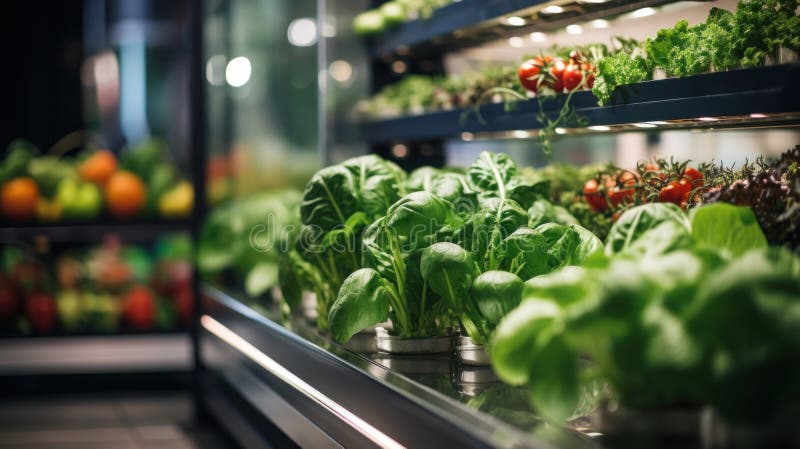
As the agriculture sector faces significant challenges, such as unpredictable weather patterns and diminishing arable land, these technological advancements are proving vital. Robots not only increase operational efficiency but also ensure that farming practices are more precise, resulting in a myriad of benefits, including:
- Reduced resource waste, as precise applications of water and fertilizer minimize excess use.
- Enhanced crop health, since crops receive timely care and attention due to efficient monitoring systems.
- Lowered carbon footprints thanks to a decrease in fuel consumption associated with traditional farming methods.
This melding of technology and traditional agricultural practices signifies a promising trajectory for the future of farming in the United States and beyond. As we delve deeper into the specifics of how robotic automation is reshaping agriculture, we uncover the potential for more sustainable and productive solutions that could redefine our food systems for generations to come.
DISCOVER: Click here to learn more about the evolving landscape of work in an AI-driven world
Revolutionizing Farming Practices
As we witness the dawn of the fourth agricultural revolution, the adoption of robotic automation in farming is transforming the very fabric of agriculture. With the global population projected to reach 9.7 billion by 2050, the pressure on food production systems is mounting. The need for innovative solutions is paramount, as traditional farming methods struggle to keep pace with these demands. Modern agricultural robotics not only offer a remedy to these issues but also pave the way for more sustainable practices that benefit both farmers and the environment.
One compelling example of this transformation can be found in the utilization of automated irrigation systems. These systems harness cutting-edge technology to ensure that water is delivered precisely where and when it is needed, thus optimizing its use. By employing sensors that monitor soil moisture levels, automated irrigation systems can adjust water application in real-time, significantly reducing waste and promoting conservation. This innovative approach is proving essential in regions like the Southwest United States, where water scarcity is a pressing concern.
Equally relevant are the advancements in precision agriculture. Combining satellite imaging and on-the-ground data collection, farmers are now able to employ targeted applications of fertilizers, pesticides, and herbicides. This not only boosts crop yields but also minimizes the environmental impact associated with overuse of chemicals. For example, precision agriculture techniques have become increasingly popular in the Midwest, where corn and soybean production relies heavily on data-driven insights to improve efficiency and sustainability.
The role of machines in pest management is also evolving dramatically. The introduction of autonomous robotic sprayers and drones equipped with advanced sensors allows for precise targeting of pests without the blanket application of chemicals. These devices can identify infestations and apply treatment exactly where needed, leading to reductions in chemical usage and costs for farmers. Moreover, this targeted approach mitigates potential harm to beneficial insects and surrounding ecosystems, demonstrating a commitment to sustainable farming practices.
Overall, the incorporation of robotic automation in agriculture encompasses various sectors, each with its own unique benefits. The following are some key areas of impact:
- Increased efficiency: Automation enhances workflow, allowing for faster planting, monitoring, and harvesting, thus saving valuable time for farmers.
- Sustainability: By reducing resource consumption and waste, robotic systems contribute to more ecologically sound farming practices.
- Enhanced data collection: Automation facilitates the gathering of vast amounts of agricultural data, enabling better analysis and decision-making.
- Labor resource management: With the labor force dwindling in agriculture, robots provide a viable solution to maintain productivity levels.
As robotic automation continues to evolve, it holds the promise of aligning agricultural practices with the urgent need for sustainability. The juxtaposition of technology and ecology is not only a potential catalyst for increased productivity but also a legitimate pathway towards a more responsible approach to farming. Understanding this evolution becomes central for farmers and stakeholders alike as they navigate the complexities of modern agriculture.
The Impact of Robotic Automation on Farming Practices
The application of robotic automation in agriculture is revolutionizing traditional farming practices, paving the way for unprecedented levels of efficiency and sustainability. As farmers integrate advanced technologies such as drones, autonomous tractors, and automated harvesting systems, the paradigm of agricultural production is shifting dramatically.
Enhanced Precision Agriculture
One of the primary advantages of utilizing robots in farming is the ability to collect and analyze data with pinpoint accuracy. Robotics equipped with sensors and GPS technology allow farmers to monitor field conditions in real-time, enabling more precise applications of water, fertilizers, and pesticides. This tailored approach not only minimizes waste but also significantly reduces the environmental impact by lowering runoff and chemical usage.
Labor Efficiency and Cost Reduction
Additionally, robotic automation addresses labor shortages that many farms face today. Automated systems can operate continuously and perform repetitive tasks, freeing up human workers to focus on higher-level decision-making tasks. This shift not only boosts productivity but also translates into substantial cost savings by reducing the need for seasonal labor and minimizing the risks associated with labor fluctuations.
Environmental Sustainability
With the growing concern over climate change and its effects on agriculture, robotic automation increasingly supports sustainable farming practices. Technologies such as drone-assisted seeding and weeding robots minimize soil disturbance and promote healthy ecosystems. By optimizing agricultural inputs and reducing waste, robotic systems contribute to sustainable farming that can meet the food demands of a growing global population without depleting precious natural resources.
Future Prospects
As innovations continue to emerge, the intersection of robotics and agriculture promises a future rich in possibilities. From vertical farming utilizing robotic systems to remote-controlled harvesting, the potential for enhanced productivity and sustainability is limitless. Adopting these advanced technologies is no longer a futuristic idea; it is a necessity for farmers looking to thrive in an ever-changing agricultural landscape.
| Advantages | Details |
|---|---|
| Increased Efficiency | Robots minimize human error and enhance speed of tasks. |
| Environmental Impact | Reduced usage of chemicals and opportunity for sustainable practices. |
The discussion surrounding robotic automation in agriculture opens up a wealth of new pathways for research, investment, and implementation that can redefine food production and sustainability practices. By embracing these advancements, the agricultural sector stands poised to tackle the challenges of the future effectively.
DISCOVER MORE: Click here to learn about the impacts of automation
Integrating Advanced Technologies for Future Farming
As we delve deeper into the realm of robotic automation, the integration of artificial intelligence (AI) and machine learning is reshaping agricultural methodologies. These technologies empower machines to analyze vast quantities of data and learn from their surroundings, thereby enhancing their operational capabilities. For instance, AI-driven analytics can predict crop yields based on historical data and real-time environmental conditions, enabling farmers to make informed decisions regarding planting and harvesting times. This predictive capability can lead to significant increases in productivity, ultimately helping to meet the growing food supply demands.
Moreover, the emergence of smart machinery, such as autonomous tractors and harvesters, is a testament to the infusion of intelligence into agricultural practices. These machines are equipped with GPS technology and AI algorithms that allow them to navigate fields autonomously, reducing reliance on manual labor. In places like the Central Valley of California, automated harvesting solutions have been successfully implemented in vineyards, where precision and timing are critical. Not only does this technology streamline operations, but it also minimizes disruption to the surrounding ecosystem, enhancing sustainability.
The concept of vertical farming is gaining traction alongside robotic automation. This innovative farming method involves growing crops in stacked layers, often incorporating AI and robotics for optimal monitoring and management. Vertical farms in urban areas drastically reduce transportation emissions and allow for year-round crop production, while minimizing land use. In cities like New York and San Francisco, urban vertical farms are being embraced as a way to enhance urban food security and reduce the carbon footprint associated with traditional farming practices.
Additionally, blockchain technology is being explored for enhancing traceability in the agricultural sector. By securing data on crop origins and farming practices, blockchain can provide a transparent supply chain that assures consumers of the sustainability practices employed by farmers. This technological shift not only fosters consumer trust but also incentivizes farmers to adopt sustainable practices, as they can more easily demonstrate their commitment to environmental stewardship.
Another fascinating development is the advent of biological robots or “biobots.” These emerging solutions mimic natural processes, such as pollination or pest control, with minimal disruption to the environment. Researchers are exploring the potential of biobots to address declining bee populations and promote biodiversity—key factors in sustainable agriculture. This integration of robotics and biological systems showcases a future where technology harmoniously coexists with nature.
Adopting robotic automation in the agricultural sector not only boosts productivity but also significantly enhances sustainability. This dual focus presents a holistic approach to farming, where increased output does not come at the expense of environmental health. As technology continues to evolve, farmers across the United States must remain agile, embracing these advancements to cultivate both food and ecological resilience. Stakeholders in the agricultural sector are encouraged to explore various technological conventions to maximize their potential while fostering a sustainable future for all.
DIVE DEEPER: Click here to explore the evolution of neural networks
Conclusion: A Sustainable Future Through Robotic Automation
The evolution of robotic automation in agriculture signifies a paradigm shift in how food is produced and consumed. With advancements in artificial intelligence (AI), autonomous machinery, and innovative farming practices such as vertical farming, the agricultural landscape is becoming increasingly efficient and sustainable. Farmers are no longer merely relying on traditional methods; they are harnessing cutting-edge technology to streamline operations, optimize resources, and sustainably increase yield.
As highlighted throughout this article, the integration of tools like machine learning and blockchain technology plays a crucial role in enhancing productivity and ensuring transparency within supply chains. These innovations not only facilitate data-driven decisions but also bolster consumer trust in the food they purchase, ultimately promoting more sustainable agricultural practices. It is crucial that stakeholders across the industry continue to explore these technological advancements, as they embody the potential for ecological resilience in an era defined by climate change and limited natural resources.
Furthermore, the collaboration between biobots and traditional farming methods illustrates a future where technology and nature can coexist harmoniously, addressing environmental issues while maintaining agricultural productivity. As farmers and agribusinesses in the United States embrace this robotic revolution, they pave the way for a more secure and sustainable food system—one that respects the delicate balance of our ecosystems. The journey of innovation in agricultural automation is just beginning, and its impact holds significant promise for both present and future generations.