

Understanding Robotic Automation in Warehousing
The landscape of e-commerce is rapidly changing, driven by a surge in consumer demand for faster and more reliable delivery services. Companies seeking to gain a competitive edge are increasingly investing in robotic automation. This technology is not just a fleeting trend; rather, it represents a fundamental shift in how warehouses operate, blending cutting-edge machinery with sophisticated software systems to create seamless workflows.
Enhanced Operational Efficiency
One of the primary advantages of implementing robotic automation in warehouses is the remarkable increase in speed with which orders are processed. Robots can operate around the clock without the need for breaks or rest, significantly reducing the time taken to fulfill orders compared to human workers. For instance, Amazon’s use of Kiva robots allows for rapid item retrieval and packing, drastically cutting down the time from order placement to delivery. In some cases, automated systems can fulfill orders in mere minutes, whereas a human workforce might take hours to accomplish the same tasks.
Improved Accuracy and Reliability
Accuracy is another compelling benefit of robotic warehouse systems. Automated technologies minimize human errors, such as incorrect picking or mislabeling of items, which can lead to costly returns and dissatisfied customers. For example, Walmart has introduced automated inventory management systems that ensure accurate stock levels and reduce instances of out-of-stock products. With precise tracking and inventory control, companies not only improve their customer service but also bolster their reputation in the market.
Cost Efficiency through Automation
In addition to speed and accuracy, robotic automation delivers substantial cost efficiency. Though the initial investment in robotics and technology may be considerable, the long-term savings can be significant. By reducing dependency on manual labor, businesses can lower labor costs while also minimizing operational expenses caused by inefficiencies. Moreover, with the decline in labor-related errors and improved throughput, companies can enhance their overall profitability. For example, a study by McKinsey estimates that warehouses adopting automation technologies can see productivity gains of 30% or more, showcasing the lasting value of these investments.
Industry Leaders and Future Implications
Companies like Amazon and Walmart are at the forefront of this technological revolution. Their early adoption of robotic systems in fulfillment centers positions them as industry leaders capable of efficiently handling complex supply chains. The rise of autonomous vehicles for warehouse logistics further compounds this effectiveness. These vehicles can navigate facilities independently, ensuring that materials flow smoothly from one station to another, thus streamlining operations.
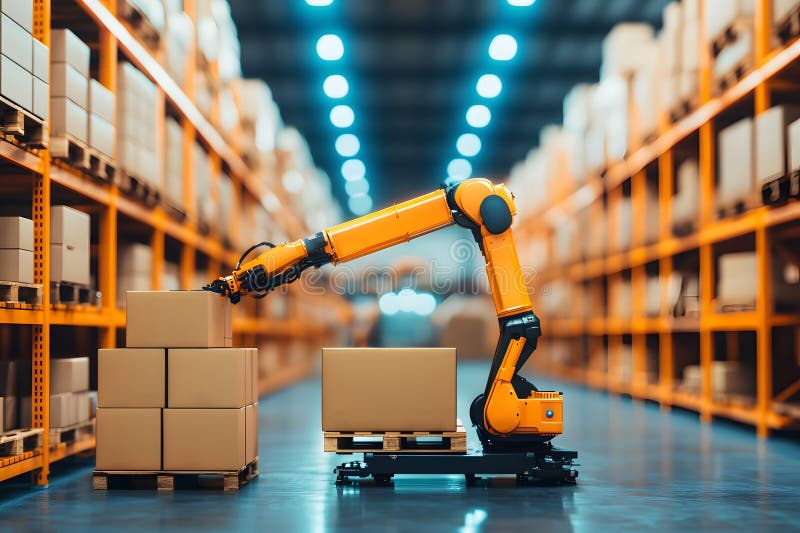
The future of robotic automation in warehouses looks promising, with ongoing innovations expected to further transform logistics. As e-commerce continues to demand efficiency and quality speeds, understanding the implications and opportunities presented by robotic technology will be critical for businesses of all sizes. Stakeholders are encouraged to explore how integrating these advanced systems can redefine operational strategies and meet the ever-evolving consumer expectations.
DIVE DEEPER: Click here to discover the future of home assistance
Revolutionizing Warehouse Operations with Robotic Automation
The infusion of robotic automation into warehouse operations is not merely a trend—it’s a transformation that is reshaping the logistics landscape. As businesses strive to adapt to the growing demands of e-commerce, the integration of intelligent machinery and automated systems becomes indispensable. This first wave of automation has paved the way for smoother workflows and increased productivity, all while offering a glimpse into what the future holds for warehouse logistics.
Streamlined Material Handling
One of the standout features of robotic automation is its ability to streamline material handling. Automated guided vehicles (AGVs) and conveyors play a significant role in enhancing the efficiency of moving goods within warehouses. These sophisticated systems reduce the need for manual labor-intensive activities, allowing organizations to repurpose human resources for more complex tasks. Key advantages include:
- Reduced Turnaround Time: Robots significantly decrease the time it takes to move goods from storage to shipping areas, ensuring that fulfillment processes are expedited.
- Increased Throughput: The use of robots in high-volume environments permits warehouses to handle larger quantities of product without sacrificing speed or quality.
- Optimized Space Utilization: Automated systems can operate in narrow aisles, allowing warehouses to maximize storage space by utilizing areas that would be otherwise impractical for human workers.
Data-Driven Decision Making
Robotic automation is coupled with advanced data analytics, allowing companies to harness real-time information to optimize decision-making. Each movement of goods can be tracked and monitored, offering insights into inventory levels, operational bottlenecks, and performance metrics. This data-driven approach empowers companies to make informed strategic decisions, resulting in:
- Proactive Inventory Management: Understanding consumption patterns helps businesses restock before items run out, reducing the incidence of backorders.
- Enhanced Forecasting: By analyzing trends over time, warehouses can better anticipate demand fluctuations, leading to more efficient resource allocation.
- Improved Safety Procedures: Monitoring robotic activity can identify potential hazards and promote enhanced safety measures for workers in shared environments.
The Competitive Advantage of Automation
In the cutthroat arena of e-commerce, the ability to leverage robotic automation for logistics efficiency can spell the difference between success and stagnation. With consumers increasingly expecting rapid fulfillment and impeccable service, businesses must embrace these technologies to stay competitive. The advancements made in automated processes not only create direct efficiencies but also foster an environment where scalability is attainable. As demand grows, companies have the flexibility to easily adapt their operations without incurring exponential costs.
The adoption of robotic automation is shaping a new operational paradigm in warehousing. As industries learn to better integrate these systems, the synergy between technology and human labor will evolve, ultimately enhancing logistics efficiency and elevating the e-commerce experience for consumers across the United States.
As the e-commerce sector continues to thrive, robotic automation has emerged as a cornerstone of logistics efficiency. This technological advancement is reshaping how warehouses operate, allowing businesses to meet the growing demand for faster and more accurate order fulfillment. Traditional warehouses are increasingly being replaced or enhanced with automated systems that improve productivity and reduce human error.Incorporating automated guided vehicles (AGVs) and autonomous mobile robots (AMRs) into warehouse operations can significantly streamline the supply chain. These robots can navigate through tightly packed spaces, delivering goods directly to packaging stations without the need for human intervention. The benefits of employing such technologies are multifaceted; they not only enhance operational efficiency but also reduce labor costs and minimize the time needed to process orders.Moreover, advancements in artificial intelligence (AI) are leading to smarter decision-making processes within logistics. AI systems analyze vast amounts of data to optimize inventory management, forecast demand, and improve the accuracy of replenishment cycles. This integration of AI with robotic systems fosters a synergistic relationship that boosts overall productivity while decreasing waste.Ultimately, the revolution brought by robotic automation in warehouses is paving the way for a more agile and responsive supply chain. As businesses continue to adopt these technologies, the landscape of e-commerce logistics is set to undergo remarkable transformations, enhancing customer satisfaction through faster, reliable delivery services and personalized shopping experiences. By leveraging the precision and efficiency of robotic solutions, companies are not only navigating the complexities of modern logistics but also positioning themselves at the forefront of the e-commerce revolution. The future of warehousing looks promising as automation continues to evolve and drive operational excellence.
DIVE DEEPER: Click here to discover the impact of robotic automation
Enhancing Workforce Synergy and Safety
As robotic automation continues to gain traction in the warehouse sector, one of the most promising aspects is its ability to enhance workforce synergy. Rather than replacing human workers, robots can augment their capabilities, allowing businesses to create a more efficient and collaborative environment. With automation handling routine and repetitive tasks, warehouse employees are freed up to focus on higher-value activities, ultimately leading to job satisfaction and increased operational effectiveness.
Reimagining Roles Within the Warehouse
The integration of robotic systems calls for a reimagining of the roles that human workers play in warehouse operations. Employees now often transition to roles that require problem-solving, critical thinking, and technology management. For instance, instead of physically moving items throughout the facility, workers might monitor automated systems, perform maintenance checks, and ensure quality control. This transition leads to upskilling opportunities, with many employees receiving training tailored to the rapidly evolving demands of the e-commerce landscape. Key considerations include:
- Advanced Training Programs: Companies are investing in training initiatives that prepare workers for automation management and data analysis roles, which enhance job security and career growth.
- Focus on Customer Experience: As routine tasks are automated, staff can dedicate more time to enhancing customer service, increasing engagement, and addressing consumer concerns.
- Safety Protocols: With fewer human workers engaged in potentially hazardous tasks, automation fosters a safer working environment, reducing the incidence of workplace injuries and accidents.
Boosting Operational Resilience
In an era characterized by fluctuating consumer demands and unpredictable disruptions, operational resilience becomes critical. Robotic automation provides warehouses with the agility to swiftly adapt to changing conditions. For instance, during peak seasons or unforeseen disruptions, automated systems can scale operations seamlessly, handling increased volumes without the logistical nightmares typically associated with labor shortages. This capability is especially important in the United States, where e-commerce giants like Amazon and Walmart are under constant pressure to deliver products quickly and efficiently.
Moreover, the advancement of artificial intelligence (AI) and machine learning within warehouse automation systems can help operators anticipate shifts in demand. This predictive capability allows warehouses to preemptively adjust their inventory levels and resource allocation based on real-time sales data and historical trends. Here are some advantages that arise from such resilience:
- Rapid Response to Market Changes: The ability to swiftly pivot operations can safeguard against losses, keeping inventory aligned with actual consumer needs.
- Minimized Downtime: With fewer human dependencies, robotic systems can operate continuously, ensuring that operations run smoothly and without interruptions.
- Enhanced Supply Chain Coordination: Automation fosters better collaboration between warehouses and suppliers, leading to an agile supply chain that meets evolving market demands.
Addressing Challenges and Maximizing Investment
While the integration of robotic automation ushers in numerous benefits, it also presents unique challenges. Companies are tasked with navigating the intricacies of technology investments, system maintenance, and potential integration hurdles. However, strategically addressing these concerns can lead to significant returns. Organizations are now increasingly turning to cloud-based platforms that provide comprehensive control over automated systems, enabling real-time adjustments and operational visibility. The focus on technological investments is shifting from merely acquiring the systems to ensuring their optimal utilization and uninterrupted performance, creating a sustainable competitive advantage in the logistics sector.
DIVE DEEPER: Click here to uncover the challenges and efficiencies of robotic automation
Conclusion: The Future of Warehousing with Robotic Automation
As the e-commerce landscape continues to transform, robotic automation in warehouses stands at the forefront of driving logistics efficiency and operational innovation. This technology not only streamlines warehousing processes by minimizing manual labor but also redefines workforce roles, enabling employees to pivot towards more strategic and customer-oriented tasks. By embracing automation, companies can unlock the potential of their teams while enhancing job satisfaction through meaningful engagement.
The fusion of AI and machine learning with robotic systems enhances operational resilience, allowing warehouses to adapt to the dynamic demands of the market effectively. This capability not only mitigates the challenges associated with labor shortages but also fosters a proactive approach to inventory management and supply chain coordination. Moreover, as businesses invest in advanced training for their workforce, they create a skilled labor pool that is equipped to manage and innovate in this technological landscape.
However, transitioning to robotic automation is not without its challenges. Companies must thoughtfully navigate integration complexities and ongoing maintenance, ensuring that their investments yield sustainable returns. As this revolution unfolds, businesses willing to embrace cutting-edge technology and foster a culture of continuous learning will find themselves at a competitive advantage in the ever-evolving e-commerce sector.
In conclusion, the trajectory of robotic automation in warehouses is clear: it is a pivotal component in enhancing logistics efficiency and reshaping the future of e-commerce. With a commitment to innovative solutions and a focus on workforce synergy, the journey towards a more automated and efficient warehousing landscape has only just begun.