

Essential Role of Technology in Environmental Monitoring
As climate change increasingly threatens ecosystems across the globe, leveraging technological advancements becomes imperative for effective monitoring and management of environmental resources. Among the various tools available, computer vision, a pioneering domain within artificial intelligence, stands out for its capability to analyze and interpret visual data. This technological innovation not only enhances our understanding of the environment but also drives actionable insights for sustainable practices.
Real-Time Data Collection
One of the foremost benefits of computer vision technology is its ability to facilitate real-time data collection. Drones equipped with high-resolution cameras can traverse vast landscapes, capturing detailed images of natural habitats. For instance, researchers in the California wilderness employ drones to monitor forest cover and the health of wildlife populations. By analyzing these images using computer vision algorithms, they can promptly identify changes in ecosystem health, enabling quick responses to threats like wildfires or invasive species.
Precision Agriculture
The agricultural sector is also witnessing a significant transformation thanks to precision agriculture, where computer vision plays a starring role. Farmers can utilize aerial imagery to gain insights into crop health and soil conditions. For example, through detailed analysis of leaf color, farmers can detect nutrient deficiencies in real time. This allows them to make informed decisions about fertilization and irrigation, ultimately resulting in increased yield and reduced waste. Additionally, technology such as soil moisture sensors combined with computer vision is revolutionizing resource management, crucial for regions experiencing droughts.
Wildlife Monitoring
Another compelling application of computer vision lies in wildlife monitoring. In places like Yellowstone National Park, camera traps equipped with computer vision systems are instrumental in tracking animal movements and behaviors. These technological innovations help scientists gather data on biodiversity and assess the impacts of human activities such as tourism and land development. By identifying patterns in animal behavior, conservationists can devise strategies to protect vulnerable species and preserve their habitats.
Technological Innovations in the United States
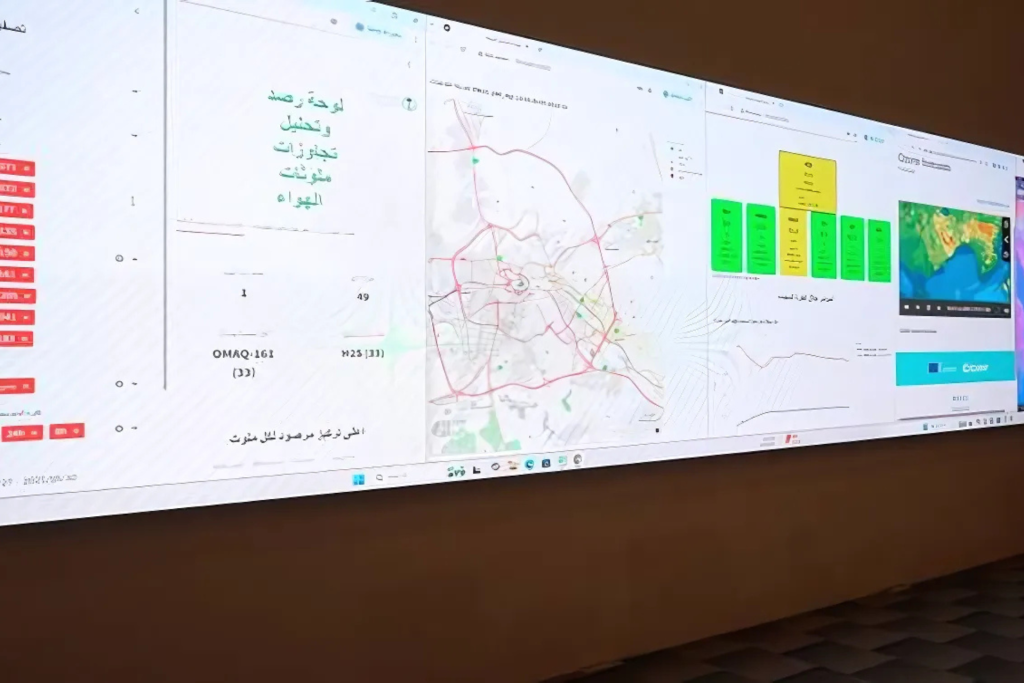
The United States is harnessing a variety of technologies, including satellite imagery and photogrammetry, to address critical environmental challenges. Machine learning algorithms integrated with computer vision systems can identify alterations in land use and measure deforestation rates across the Amazon rainforest, impacting global carbon levels significantly. Moreover, ongoing projects monitor pollution levels in major cities like Los Angeles, allowing for targeted interventions that can improve air quality and public health.
The Future of Environmental Stewardship
The implications of these advancements in computer vision extend far beyond data collection. They bear the potential to reshape methodologies for sustainable practices that can significantly lessen our ecological footprint. As we delve into the intersection of technology and sustainability, we unveil exciting possibilities for the future of environmental stewardship. From enhancing food security and protecting wildlife to ensuring clean air and water, computer vision is revolutionizing how we interact with our planet. There has never been a more critical time to embrace these technologies in our collective effort to safeguard the environment for future generations.
DIVE DEEPER: Click here to explore the development of AI in autonomous robots
Transformative Technologies in Environmental Monitoring
In an era where environmental challenges are becoming increasingly pressing, the innovative application of computer vision in environmental monitoring offers a promising avenue for progressive change. At the heart of this transformation is the ability of computer vision technologies to analyze visual data with remarkable accuracy and efficiency. As a result, they empower researchers, conservationists, and policymakers to make data-driven decisions that align with sustainable practices.
Remote Sensing and Image Analysis
Remote sensing</ plays a vital role in understanding and managing environmental phenomena. Utilizing satellite imagery, researchers can monitor changes in land use, track deforestation, and assess natural disasters’ impacts. For instance, NASA’s Earth Observing System Data and Information System (EOSDIS) has been integral in leveraging remote sensing to study the effects of climate change across the globe. By employing advanced computer vision algorithms to analyze satellite images, scientists can quickly detect variations in vegetation cover or urban expansion, enabling timely interventions to protect and restore ecosystems.
Urban Planning and Smart Cities
In urban settings, computer vision technology continues to reshape environmental monitoring and management practices. The concept of smart cities leverages various technological solutions, including computer vision, to create more sustainable environments. This technology can help city planners effectively manage resources such as energy and water through real-time monitoring of infrastructure and public spaces. For instance, with the help of computer vision-enabled surveillance systems, cities can optimize waste management by analyzing waste collection patterns and ensuring that bins are emptied at the right intervals. This not only reduces operational costs but also contributes to a cleaner urban landscape.
Impacts on Biodiversity and Ecosystem Health
The implications of using computer vision for environmental monitoring extend deeply into the realms of biodiversity and ecosystem health. Through techniques like image recognition, researchers can classify various species of flora and fauna from captured images, providing critical data on biodiversity distribution. A project in Florida utilizes computer vision combined with machine learning to track endangered species such as the Florida panther. By analyzing images from motion-activated cameras, biologists can monitor population dynamics and habitat use, thus facilitating targeted conservation efforts to protect these vulnerable species.
Benefits of Implementing Computer Vision in Environmental Monitoring
The incorporation of computer vision in environmental monitoring mobilizes several key benefits:
- Accuracy: Enhanced precision in data collection leads to more reliable environmental assessments.
- Efficiency: Real-time processing enables timely responses to emerging environmental threats.
- Scalability: Technology can be deployed across vast areas, making it easier to monitor large-scale environmental phenomena.
- Cost-Effectiveness: Reduced need for manual data collection translates into lower operational costs in long-term monitoring.
As computer vision technology continues to evolve, its integration with environmental monitoring practices provides a strong foundation for fostering a sustainable future. By empowering stakeholders with rich visual data and actionable insights, this innovative approach holds potential for tackling pressing challenges that threaten our planet.
| Applications | Advantages |
|---|---|
| Wildlife Monitoring | Computer vision technologies streamline the detection and tracking of wildlife, ensuring better conservation efforts. |
| Pollution Detection | By using real-time image processing, it is possible to identify pollutants quickly, thus enabling timely interventions. |
| Agricultural Monitoring | Enhances crop health assessment, helping farmers make data-driven decisions to improve yield sustainably. |
| Forest Health Assessment | Facilitates the early detection of diseases and insect infestations in trees, protecting biodiverse ecosystems. |
Innovative applications of computer vision in environmental monitoring reveal practical benefits that extend beyond mere observation. For instance, in the domain of wildlife monitoring, advanced algorithms can help conservationists track endangered species without human interference, fostering coexistence. Similarly, pollution detection through aerial imagery serves to flag environmental hazards in real-time, prompting swift remediation actions.Agricultural sectors leverage these technologies to assess crop health, ensuring resource optimization while mitigating negative environmental impacts. Moreover, in forestry, computer vision plays a pivotal role in maintaining forest health by identifying issues preemptively, allowing for strategic interventions that safeguard both trees and wildlife.These advancements not only enhance sustainability efforts but also prompt a profound shift in how we interact with and manage our natural resources. Exploring these technologies further opens doors to innovative practices that contribute significantly to our ecological footprint reduction.
LEARN MORE: Click here to discover the impact of robotic automation
Innovative Applications of Computer Vision in Environmental Preservation
The remarkable advancements in computer vision technology have paved the way for various innovative applications in environmental preservation, further underlining its impact on sustainability. As the technology becomes more accessible, its deployment across diverse fields continues to expand, addressing urgent environmental concerns.
Precision Agriculture
One of the most significant applications of computer vision is in the realm of precision agriculture. Farmers are increasingly utilizing drones equipped with advanced imaging sensors to capture high-resolution images of their crops. By applying computer vision algorithms to this data, they can identify crop health issues, assess soil conditions, and optimize irrigation practices. For instance, companies like DJI offer UAVs with integrated computer vision technology that can help farmers detect diseases early, significantly reducing chemical usage and enhancing yield. This sustainable approach not only boosts productivity but also contributes to lower environmental footprints by minimizing the reliance on pesticides and fertilizers.
Water Quality Monitoring
Water bodies, crucial to both human and ecological health, face growing threats from pollution and climate change. Computer vision has emerged as an invaluable tool for monitoring water quality. Researchers have developed systems using image processing techniques to detect harmful algal blooms, which can be damaging to aquatic ecosystems and human health. In the United States, the Florida Lake Watch program employs such technology to assess the water quality in lakes throughout the state. By analyzing images of water surfaces and vegetation, experts can spot abnormalities indicating pollution, enabling targeted intervention to preserve these vital resources.
Wildlife Conservation
Computer vision technology has revolutionized wildlife conservation efforts by allowing for more effective monitoring of animal populations and habitats. Automated systems utilizing motion-sensing cameras and computer vision can analyze images to provide vital insights into animal behavior and population sizes. For example, research conducted in Yellowstone National Park has successfully employed this technology to monitor populations of wolves and their prey, giving conservationists precise data on ecosystem dynamics. This type of monitoring fosters informed decisions about wildlife management and habitat restoration, ensuring balanced ecosystems.
Climate Change Analysis
Arguably one of the most critical areas where computer vision is making an impact is in climate change analysis. By analyzing satellite imagery and terrestrial photos, researchers can track glacial retreat, forest cover changes, and ocean temperature variations. Projects like Google Earth Engine provide vast datasets that contribute to understanding climate trends more effectively. This wealth of visual data facilitates detailed studies on the impacts of climate change, guiding policymakers in crafting strategies to mitigate adverse effects.
Challenges and Future Prospects
While the potential of computer vision in environmental monitoring is undeniably vast, several challenges must be addressed for broader implementation. Issues such as data privacy, algorithm bias, and technological accessibility can hinder progress. However, the awareness around these challenges has led to increased efforts in developing equitable and responsible solutions. As technologies continue to evolve, there is an optimistic outlook for integrating computer vision further into environmental monitoring practices. With continual advancements, this technology holds promise for transforming not only how we monitor our environment but also how we approach sustainability in an ever-changing world.
DISCOVER MORE: Click here to learn how to enhance efficiency and reduce costs
Conclusion: The Future of Computer Vision in Environmental Monitoring
In conclusion, the integration of computer vision technology into environmental monitoring represents a pivotal shift towards sustainable practices that are informed, efficient, and impactful. From enhancing precision agriculture to safeguarding water quality and conserving wildlife, the myriad applications of this technology are vital in addressing the multifaceted challenges posed by climate change and environmental degradation.
The innovative use of machine learning algorithms and high-resolution satellite imagery allows for real-time data collection and analysis, empowering stakeholders and policymakers to make informed decisions. Notable initiatives, such as the Florida Lake Watch program and wildlife monitoring efforts in places like Yellowstone National Park, illustrate the tangible benefits that computer vision applications bring to conservation and environmental health.
However, as robust as these technologies are, the challenges they face—such as issues of data privacy and algorithm bias—cannot be overlooked. Addressing these challenges is crucial for ensuring that the advances in computer vision are both responsible and equitable. The trajectory of this technology in the field of environmental monitoring is promising, as innovation continues to burgeon, spurring the creation of solutions that not only protect our planet but also enhance our understanding of the complex interactions within our ecosystems.
As we look towards the future, it becomes increasingly essential for industries, governments, and communities to collaborate in leveraging computer vision technologies. This collective effort will not only foster greater sustainability but also pave the way for a resilient planet capable of thriving in the face of ongoing environmental challenges. The potential of computer vision is vast, and its role in promoting sustainability will be integral to shaping a healthier world for generations to come.