
Revolutionizing Medical Imaging
Computer vision technology is rapidly transforming the landscape of healthcare, particularly in medical imaging. This cutting-edge field utilizes algorithms and machine learning techniques to interpret and analyze visual data. As a result, clinicians and radiologists are equipped with tools that can enhance diagnostic accuracy and improve patient outcomes.
Key Applications in Healthcare
The applications of computer vision in medical imaging are both innovative and essential, demonstrating its immense potential to reshape healthcare practices:
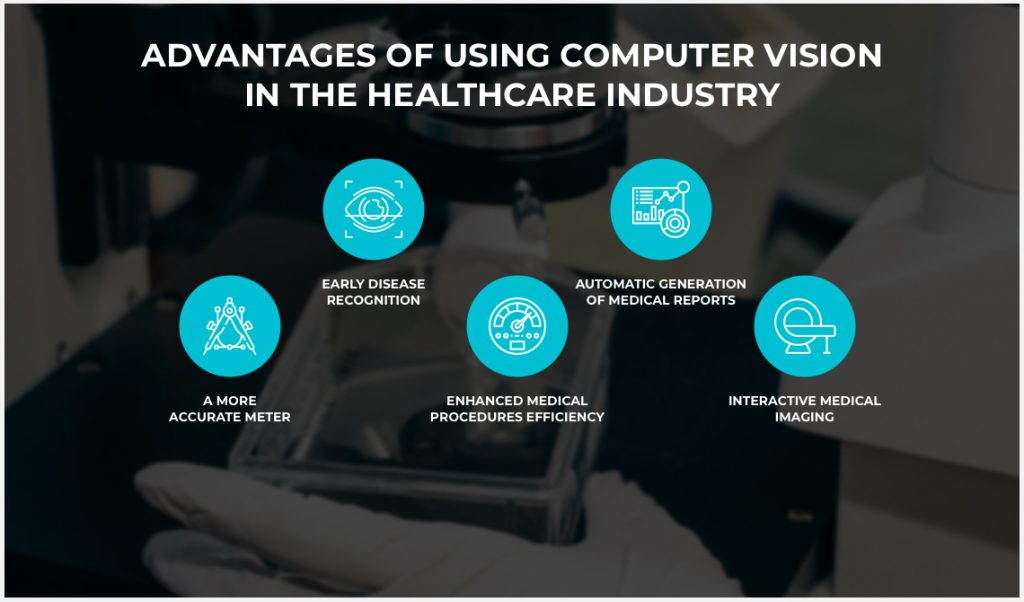
- Image Analysis: Automating the interpretation of X-rays, MRIs, and CT scans is one of the most significant advancements. For instance, machine learning models can be trained to recognize patterns associated with pneumonia in chest X-rays, significantly reducing the time required for human radiologists to analyze images and identify abnormalities.
- Early Diagnosis: Early detection of diseases is crucial, especially in conditions like cancer which are more treatable when caught early. Advanced algorithms can analyze subtle changes in imaging over time, aiding in the detection of tumors at an earlier stage than traditional methods. For example, deep learning has shown promise in identifying early signs of breast cancer in mammograms.
- Treatment Planning: Individualized treatment strategies are increasingly made possible through detailed imaging data. For example, computer vision can help oncologists visualize tumors in three dimensions, allowing them to tailor radiation therapy more effectively to target specific areas while sparing healthy tissue.
- Workflow Optimization: Computer vision can streamline radiology workflows, drastically reducing analysis time and improving efficiency. By automating routine tasks like sorting scans or flagging images that require immediate attention, healthcare facilities can focus more on patient care and less on administrative burdens.
These advancements not only bolster the capabilities of healthcare professionals but also have far-reaching implications for patient care and overall system efficiency. With the U.S. healthcare system facing challenges such as rising costs and overworked staff, embracing computer vision could indeed be a pivotal step toward innovative solutions that enhance patient experiences and outcomes.
Future Prospects
As the demand for higher precision and faster results increases, the role of computer vision in medical imaging is expected to expand significantly. Imagine a future where imaging solutions can not only diagnose conditions but also predict patient outcomes based on historical data, allowing for proactive measures to mitigate health risks. This evolution will pave the way for more predictive analytics and improved healthcare delivery systems.
Moreover, as technology continues to advance, we could see even greater integration of artificial intelligence in telemedicine, where remote assessments using sophisticated imaging technologies become routine. Exploring the full potential of this transformative technology will undoubtedly lead to a healthier future for all, driving further advancements in patient care and medical practices in the United States and beyond.
DISCOVER MORE: Click here to learn about the synergy of technology and sustainability
Harnessing the Power of Image Recognition
As healthcare embraces digital transformation, computer vision emerges as a game-changing tool in medical imaging. The ability of machines to accurately interpret and analyze visual data not only accelerates the diagnostic process but also introduces a new level of precision that can enhance treatment efficacy and ultimately, patient satisfaction.
One of the most notable advancements in the field is image classification. Computer vision systems can be trained to categorize imaging data, distinguishing between healthy and diseased states with remarkable accuracy. This capacity is particularly useful in oncology, where early detection of malignancies can be the difference between life and death. For instance, studies indicate that AI-driven diagnostic tools have achieved accuracy rates exceeding 90% in detecting certain types of cancer from mammography images, considerably surpassing traditional interpretations.
Integration with Clinical Workflows
An essential aspect of enhancing healthcare through computer vision is its seamless integration with existing clinical workflows. The technology is designed to complement rather than replace healthcare professionals. This collaboration can lead to a more efficient diagnostic process, evidenced by various initiatives across healthcare systems in the U.S. that highlight tangible benefits. Here are a few key areas where integration has proven beneficial:
- Clinical Decision Support: By leveraging computer vision algorithms, clinicians receive real-time analysis and recommendations, thus enabling quicker and more informed decision-making at the point of care.
- Reducing Diagnostic Errors: Radiologists often face overwhelming caseloads, which can lead to fatigue and oversight. Computer vision technology not only assists in reviewing images but also flags discrepancies that might otherwise go unnoticed, reducing the risk of diagnostic errors.
- Streamlined Documentation: The integration of computer vision into medical imaging systems has also enhanced the way imaging findings are documented. Automatic labeling and summary generation allows radiologists to focus more on patient interaction than administrative duties.
The ability to integrate advanced technology into traditional practices underlines a critical shift in how medical imaging can be utilized to improve patient care. As surgical procedures, diagnostic techniques, and treatments become more reliant on visual data, the importance of precise image interpretation cannot be overstated.
While the patient experience is paramount, the healthcare system itself benefits from the resultant efficiencies. Lower operational costs, reduced wait times for diagnoses, and a decrease in unnecessary procedures contribute to a more robust healthcare infrastructure. The benefits of computer vision in medical imaging extend far beyond the walls of a hospital, reflecting a fundamental change in the future of healthcare delivery.
| Advantages | Key Applications |
|---|---|
| Improved Diagnostic Accuracy | Computer vision enhances the precision of analyzing medical images, enabling earlier disease detection. |
| Increased Efficiency in Workflow | Automation of image analysis speeds up the review process, allowing radiologists to focus on complex cases. |
| Training and Education Support | Computer vision tools aid in medical training, providing interactive environments for students to learn image interpretation. |
| Enhanced Patient Outcomes | Faster and more accurate assessments lead to timely interventions, improving recovery rates for patients. |
As we delve deeper into the remarkable capabilities of computer vision in healthcare, it becomes evident that the synergy between technology and medical expertise is revolutionizing patient care. With the ability to analyze vast amounts of imaging data, computer vision algorithms assist in identifying patterns that may elude the human eye. This not only enhances diagnostic accuracy but also empowers healthcare professionals to make informed decisions swiftly.Furthermore, the integration of these technological tools into clinical practice streamlines workflows, drawing significant attention in busy healthcare settings where time is crucial. The automation of tasks such as image segmentation and classification allows radiologists to prioritize complex cases that require in-depth analysis. In educational settings, computer vision serves as a robust learning aid, driving improved competency among healthcare professionals by providing simulated and interactive learning experiences.Ultimately, the impact on patient outcomes cannot be overstated. By facilitating faster diagnostics and treatment plans, the technology paves the way for proactive healthcare strategies that not only treat but also prioritize the well-being of patients. As advancements continue, the evolving landscape of medical imaging holds promising potential for further innovations in healthcare delivery.
DISCOVER MORE: Click here to dive deeper
Transforming Diagnostics with Deep Learning
As the field of medical imaging continues to evolve, the incorporation of deep learning techniques within computer vision presents an exciting frontier. Deep learning, a subset of machine learning, leverages neural networks to mimic human cognitive functions, allowing the identification of patterns in complex data. This technology is particularly transformative in medical imaging, where it plays a critical role in the interpretation of radiological images, including X-rays, MRIs, and CT scans.
One significant achievement in this area is the development of convolutional neural networks (CNNs), which are adept at analyzing pixel data. CNNs can learn to recognize anatomical structures and abnormalities in medical images with incredible efficiency. Research demonstrates that these networks can outperform traditional methods in detecting conditions such as pulmonary nodules in chest X-rays or diabetic retinopathy in retinal images. For example, a notable study published in the journal Nature found that a deep learning system could identify lung cancer in radiographs with greater accuracy than human radiologists, showcasing the potential to significantly enhance early diagnostic outcomes.
Training on Extensive Datasets
The effectiveness of deep learning in medical imaging is heavily reliant on the quality and size of the datasets used for training. Access to vast repositories of labeled medical images allows these algorithms to refine their detection capabilities. Institutions like the National Institutes of Health (NIH) and private organizations have initiated significant projects aimed at aggregating imaging datasets, thus creating a rich ecosystem for training algorithms. The NIH’s Chest X-ray Dataset, for instance, comprises over 100,000 frontal-view X-ray images, with annotations of 14 different diseases, providing a robust foundation for developing and testing machine-learning models.
However, the reliance on large datasets brings to light the importance of maintaining data privacy and ensuring diverse representation within training sets. This is particularly crucial in the context of healthcare disparities, as models trained on biased or non-representative data can lead to disparities in diagnostic accuracy across different populations. Addressing these challenges requires a collaborative approach that involves healthcare providers, data scientists, and regulatory bodies to develop ethical guidelines for data usage.
The Role of AI in Personalized Medicine
Beyond enhancing diagnostic accuracy, computer vision technologies pave the way for personalized medicine in the realm of healthcare. By integrating imaging data with patient history and genetic information, healthcare providers can develop individualized treatment plans tailored to the specific needs of each patient. For instance, AI-powered systems can analyze imaging data alongside genomic markers to identify which patients are most likely to benefit from targeted therapies or immunotherapy for cancer treatment.
This intersection of computer vision and personalized care not only maximizes treatment efficacy but also enhances patient engagement. With the help of visual data tools, patients can gain insights into their own health conditions, fostering a collaborative decision-making process with their healthcare providers. Advances in computer vision also hold promise for continuous monitoring through technologies such as wearable devices that capture real-time imaging data, enabling proactive management of chronic diseases.
As we advance into a future where technology and healthcare converge, the implications of computer vision in medical imaging reverberate throughout the healthcare landscape. The potential for improved diagnostics, personalized treatment, and equitable healthcare is substantial, illuminating a path towards a more responsive and effective healthcare system.
DISCOVER MORE: Click here to dive deeper
Conclusion: Pioneering a New Era in Healthcare
In conclusion, the integration of computer vision within the domain of medical imaging is revolutionizing the way healthcare providers diagnose and treat patients. The advancements in deep learning and neural networks are breaking barriers, allowing algorithms to interpret complex radiological images with unparalleled accuracy. As evidenced by studies demonstrating deep learning’s ability to outperform seasoned radiologists in identifying critical conditions, the potential for improved patient outcomes is immense.
Furthermore, as we harness large datasets for training these models, it is crucial to emphasize the importance of data integrity and representation. Addressing the ethical considerations surrounding data usage protects patient privacy while ensuring that all populations benefit equally from technological advancements in healthcare. This collective responsibility among healthcare professionals, data scientists, and regulatory bodies will shape the future landscape of medical diagnostics.
Moreover, the promise of personalized medicine through the fusion of imaging data and genomic information exemplifies the significant strides we are making towards individualized patient care. By utilizing AI-powered tools, healthcare providers can engage patients actively in their treatment journey, promoting a holistic approach to health management.
As we continue to explore the multifaceted applications of computer vision in medical imaging, it is evident that the implications are vast. This technology not only enhances diagnostic capabilities but also fosters a more equitable and accessible healthcare system. The future of healthcare lies in the seamless integration of technology, paving the way for a healthier world.