

Transforming the Retail Landscape
In recent years, technology has completely transformed the way we shop. Among the cutting-edge innovations, computer vision stands out for its ability to enhance retail experiences significantly. From speeding up checkout processes to personalizing consumer interactions, this technology is reshaping the landscape of physical and online stores.
Computer vision technology utilizes artificial intelligence to interpret and understand visual data from the world around us. It can analyze images and videos, identify objects, and even track customer movements, leading to a multitude of benefits in the retail sector.
Here are some key ways computer vision is making waves in retail:
- Automated Checkout: Stores like Amazon Go leverage computer vision to eliminate waiting time at checkout counters. Shoppers can enter the store, select products, and leave without ever having to stand in line. The technology automatically tracks items taken off the shelves and charges customers’ accounts as they exit using app-based payment systems. This not only speeds up the shopping experience but also reduces labor costs and enhances customer convenience.
- Product Recognition: Retailers are increasingly employing image recognition tools to assist shoppers in quickly finding products tailored to their preferences. Apps developed by companies like Sephora allow customers to scan product images or use augmented reality to visualize how certain products like cosmetics would look on them. This level of interactivity helps in increasing consumer engagement and purchase likelihood.
- Customer Behavior Analysis: By utilizing computer vision analytics, retailers can capture detailed data on shopper movements within their stores. For instance, a grocery store may track where customers linger the longest and which aisles have high foot traffic. This information is invaluable for optimizing store layouts, placing high-demand items in strategic locations, and implementing targeted marketing efforts that resonate with consumers.
The integration of computer vision in shopping experiences not only streamlines operations but also augments consumer engagement. For example, brands like Nike have integrated kiosks equipped with cameras and AI to recommend products based on real-time customer interactions and preferences. This personalized approach can lead to a more satisfying shopping experience and foster brand loyalty.
As we delve deeper into this topic, we will explore how computer vision is not just a tool for enhancing efficiency but also a means to capture customer insights that drive sales and loyalty in a highly competitive marketplace. The potential for brands to leverage such insights is vast – by analyzing shopper behavior and preferences, retailers can tailor their services and products to better meet consumer needs, ultimately paving the way for increased sales and customer retention.
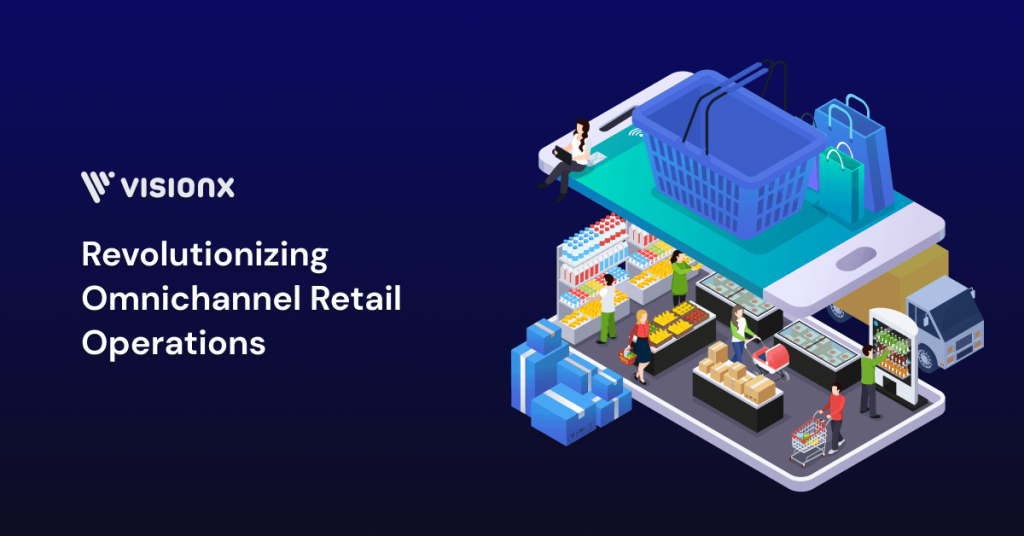
As the retail sector continues to adopt these advanced technologies, the future of shopping appears not only more efficient but also more personalized and enjoyable for consumers. The ripple effects of these innovations may reshape the entire retail ecosystem, leading to exciting new shopping paradigms.
DIVE DEEPER: Click here to uncover the ethical challenges
Unlocking New Possibilities in Retail
The integration of computer vision technology into the retail landscape is not merely a trend; it represents a fundamental shift in how businesses interact with consumers. As retail environments become increasingly competitive, the demand for innovative solutions that enhance customer experiences has never been greater. By harnessing the power of artificial intelligence to analyze visual data, retailers are able to create a shopping journey that is both seamless and engaging.
One of the most striking applications of computer vision is in the realm of inventory management. Traditional methods of tracking stock levels and product locations can be labor-intensive and prone to errors. However, with the implementation of computer vision systems, such as smart cameras deployed throughout a store, retailers can monitor product availability in real-time. This capability not only reduces the risk of stockouts but also ensures that popular items are always readily available, enhancing customer satisfaction and impulse buying.
Moreover, computer vision is redefining personalized marketing strategies by providing insights into customer preferences. Imagine walking into a clothing store where cameras identify your style based on previous purchases or social media engagement, and then recommend outfits tailored to your taste. Brands are investing in technology that dynamically analyzes customer facial expressions and body language, enabling them to adjust product recommendations on-the-fly. This level of personalization can dramatically increase conversion rates and enhance customer loyalty as shoppers feel that their individual needs are being met.
- Enhanced Security Measures: Retailers can employ computer vision as a security asset. Advanced surveillance systems can detect unusual activities or potential theft incidents in real-time, alerting staff before a situation escalates.
- Smart Shelving: Computer vision technology can be utilized to create smart shelves that automatically update inventory levels, notify staff when restocking is necessary, and even recommend products based on current stock levels and customer behavior.
- Virtual Try-Ons: With augmented reality (AR) capabilities powered by computer vision, customers can virtually try on products, from eyewear to clothing. This immersive experience can reduce return rates and enhance customer confidence in their purchasing decisions.
As more retailers adopt these innovative technologies, the pivotal role of computer vision becomes increasingly clear. It not only boosts operational efficiency but also enriches the consumer shopping experience. Retailers are now able to deliver tailored solutions that meet the demands of modern consumers who seek convenience and personalization in every transaction.
This evolution in retail brought forth by computer vision positions brands to thrive in an ever-changing marketplace. As we explore further, we will uncover additional dimensions of how this technology is fostering greater engagement, driving sales, and setting the stage for the retail experiences of the future. The synergy between computer vision and retail is paving the way for a redefined norm in consumer interaction that promises to shape both immediate and long-term outcomes in the shopping landscape.
| Category | Advantages |
|---|---|
| Enhanced Customer Insights | Utilizing computer vision technology, retailers can gather data on customer behavior, preferences, and shopping patterns. This allows for a personalized shopping experience. |
| Improved Inventory Management | Computer vision systems provide real-time tracking of stock levels, helping retailers reduce costs and improve supply chain efficiency. This ensures that popular items are always available for customers. |
In recent years, computer vision has emerged as a groundbreaking technology in the retail sector, significantly transforming shopping experiences. This technology uses advanced image processing algorithms to analyze visual data, providing retailers with a deeper understanding of customer interactions and behaviors. By implementing computer vision systems, businesses can automatically monitor how shoppers navigate through stores, which products they engage with the most, and what visual merchandising strategies are most effective. This not only enhances the customer journey but also empowers retailers to make data-driven decisions. With the capacity to offer tailored promotions and targeted advertisements based on observed preferences, the shopping experience becomes more engaging and relevant to each individual customer. Additionally, as consumers increasingly demand efficiency, the automation of inventory management through computer vision tools can lead to significant operational advantages, thereby enriching the overall retail landscape. By embracing such innovations, retailers are not only modernizing their business models but also fortifying their competitive edge in a fast-evolving marketplace.
DISCOVER MORE: Click here to learn about ethics and bias in computer vision
Enhancing Customer Engagement and Operational Efficiency
The impact of computer vision technology extends beyond just inventory management and personalized marketing; it is fundamentally reshaping customer engagement and operational efficiency in the retail sector. As consumers gravitate towards environments that augment their shopping experience, the integration of innovative solutions becomes paramount for retailers aiming to stay ahead of the curve.
One noteworthy advancement is the use of automated checkout systems empowered by computer vision. These systems allow customers to simply walk out of a store without waiting in line. By employing cameras and AI algorithms to track the items selected by shoppers, retailers can simplify the purchasing process. For instance, Amazon Go has pioneered this model, where customers can scan an app upon entry, grab their desired items, and simply leave, with charges automatically applied to their account. This frictionless experience not only maximizes convenience but also increases foot traffic, as the reduction in wait times makes visits more appealing.
Additionally, computer vision facilitates in-store analytics, providing retailers with a wealth of data on shopper behavior. With heatmapping technology, retailers can understand traffic patterns and identify hot zones within the store. This valuable information enables brands to optimize product placement, ensuring that high-demand items are strategically located to capture customer attention. Moreover, by analyzing shopper interactions with displays and promotions, retailers can refine marketing strategies tailored to these insights, leading to improved sales performance.
Bridging the Online and Offline Divide
In today’s omnichannel retail landscape, the ability to connect online and offline channels has become increasingly vital. Computer vision aids in this integration by creating experiences that blend digital interaction with physical shopping environments. For example, retailers are using smart mirrors equipped with computer vision to enhance the try-on experience. These mirrors allow customers to experiment with various styles, colors, and sizes without the need to physically try on each item. This interactive experience not only elevates customer engagement but also reduces the hassle of returns, a common concern for e-commerce shoppers.
Moreover, augmented reality applications backed by computer vision enable customers to visualize how products will fit into their lives before making a purchase. Companies like IKEA have capitalized on this technology, allowing customers to use their smartphones to see how furniture would look in their homes. This capability minimizes buyer hesitation and encourages more informed purchasing decisions, ultimately enhancing overall customer satisfaction.
Data Privacy and Security Considerations
<pWhile the benefits of computer vision are numerous, retailers must also navigate the complex landscape of data privacy and security. As customer interactions become increasingly digitized, concerns regarding surveillance and the ethical use of data are paramount. Retailers must ensure that they comply with regulations such as the California Consumer Privacy Act (CCPA) and the General Data Protection Regulation (GDPR) principles to safeguard consumer information. Transparency in how data is collected, used, and stored is vital in maintaining customer trust.
The opportunities presented by computer vision technology in the retail arena are rich and varied. As retailers embrace these advancements, they not only enhance efficiency and deepen customer connections but also pave the way for a new era of shopping experiences. The fusion of technology, consumer engagement, and ethical practices will ultimately redefine the retail landscape, making it imperative for brands to invest in this transformative trend.
DISCOVER MORE: Click here to dive deeper
Looking Ahead: The Future of Retail with Computer Vision
The integration of computer vision technology is undeniably revolutionizing the retail landscape, offering a myriad of opportunities that enhance both customer experiences and operational efficiencies. Consumers are increasingly drawn to environments that offer seamless interactions, personalized services, and real-time data feedback. As retailers adopt automated checkout systems and leverage in-store analytics, they elevate the shopping journey while optimizing inventory management and marketing strategies.
Moreover, the convergence of online and offline experiences presents exciting possibilities, particularly through innovations such as smart mirrors and augmented reality applications. These advancements create unique and interactive methods for consumers to engage with products, ultimately fostering informed purchasing decisions and greater satisfaction. However, it is crucial for retailers to remain vigilant regarding data privacy and security, ensuring consumer trust is upheld as technology continues to intertwine with daily shopping habits.
Looking to the future, as computer vision becomes more widespread, it will be vital for brands to adapt and innovate continuously. By embracing ethical practices and transparent data usage, retailers can harness the full potential of this transformative technology while addressing the heightened focus on consumer privacy. The road ahead is filled with potential for a shopping experience that is not only convenient but also deeply engaging, marking an exciting new chapter in retail history. As both consumers and retailers navigate this shift, one thing is clear: technology will remain at the heart of the evolving shopping experience, forever changing how we connect with the brands we love.