
Transforming Manufacturing Through Robotics
The manufacturing sector in the United States is undergoing a profound transformation as robotic automation becomes an integral part of production processes. This technological advancement is not merely a trend; it represents a fundamental shift that redefines how goods are produced, affecting everything from efficiency to market competitiveness.
Efficiency at the Forefront
One of the standout advantages of robotic automation is increased efficiency. Automated systems can operate tirelessly, ensuring that production lines maintain high throughput without the need for breaks or downtime typically associated with human labor. For instance, in automotive manufacturing, companies like Ford and General Motors have integrated robotics into their assembly lines, allowing them to produce vehicles at an unprecedented speed. This shift not only quickens the pace of production but also enables manufacturers to respond more agilely to changing consumer demands.
Significant Cost Benefits
Another compelling factor driving the adoption of robotics in manufacturing is the prospect of cost reduction. Automation significantly lowers labor costs over time, as robots can handle repetitive tasks without the associated wages, benefits, and training that a human workforce requires. A notable case is Tesla, which has utilized automation to scale production while managing expenses. However, the initial investment in robotics infrastructure can be hefty, prompting businesses to conduct rigorous cost-benefit analyses before committing to such changes.
Precision and Quality
In addition to efficiency and cost-effectiveness, robotic systems offer enhanced precision. Robotics can perform tasks with a level of accuracy that surpasses human capability, minimizing errors and defects in products. This is especially crucial in sectors such as electronics manufacturing, where companies like Apple rely on robotic processes for assembly of delicate components, ensuring that their products meet stringent quality standards.
Broader Implications Across Sectors
The impact of robotic automation can be seen across various industries, shaping the contours of the manufacturing landscape. For instance:
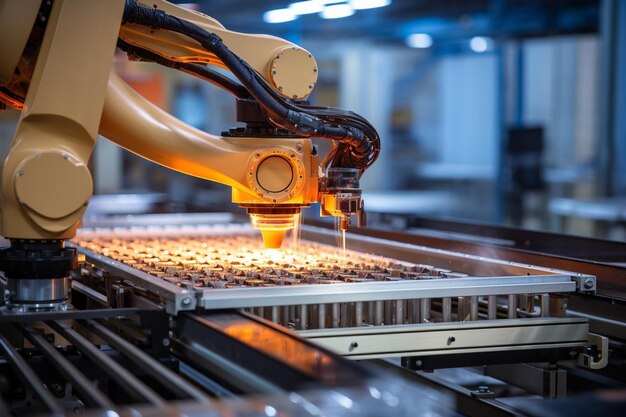
- In the automotive sector, robots are now essential for tasks like welding and painting, allowing for consistent quality and reduced waste.
- In electronics, firms utilize automated processes for assembly and testing of circuit boards, enhancing both efficiency and product reliability.
- Food processing companies are increasingly turning to robotics for tasks such as packaging and quality control, improving hygiene standards and operational speed.
The Future Workforce and Economic Considerations
As robotic technologies continue to evolve, it is imperative to delve into their broader implications on the workforce and the economy. While automation promises increased productivity and innovation, it also raises critical concerns regarding workforce displacement. Many fear that the rise of robotics may lead to job losses in traditional manufacturing roles. However, proponents argue that automation can also create new jobs, particularly in areas such as maintenance, programming, and system design.
Conclusion
In closing, the rise of robotic automation in manufacturing heralds a new era of efficiency, precision, and economic growth. While this transformation presents clear benefits, it is equally important to navigate the accompanying challenges thoughtfully, particularly in regard to the workforce. As society continues to adapt to these technological advancements, ongoing dialogue about the future of jobs in manufacturing and the role of robotics will be essential.
DISCOVER MORE: Click here to learn about the importance of ethics in chatbots
Shaping the Landscape of Manufacturing
The integration of robotic automation into manufacturing industries in the USA is not just boosting productivity but also fundamentally reshaping operational frameworks. As businesses strive to enhance their output and stay competitive in an ever-evolving market, the adoption of robotics presents numerous transformative benefits. One of the most critical aspects that this technology addresses is the urgent need for adaptability in production workflows.
Real-Time Data and Smart Manufacturing
Robotic automation facilitates smart manufacturing, where real-time data analytics plays a crucial role. By utilizing the Internet of Things (IoT), manufacturers can now connect machinery and systems, enabling them to gather and analyze data instantaneously. This ability not only streamlines operational processes but also enhances predictive maintenance, helping prevent costly downtimes. For example, companies like GE and Siemens have adopted these technologies to optimize their production lines, providing a significant edge over competitors lacking such capabilities.
Worker Safety and Ergonomics
Another vital consideration in the discussion of robotic automation is worker safety. Traditional manufacturing environments can pose various hazards, particularly in roles that involve heavy lifting, repetitive motions, or exposure to dangerous equipment. Robotics can assume these high-risk tasks, thereby safeguarding human workers. For example, warehouse robots have been deployed to handle the movement of pallets and heavy materials, reducing workplace injuries and improving overall morale among employees.
Continuous Innovation and Customization
The ability of robotic systems to drive continuous innovation is a cornerstone of modern manufacturing. Automation technologies allow manufacturers to pivot quickly in response to market demands, giving them the flexibility to customize products without sacrificing efficiency. Customization, once seen as a challenge in traditional assembly lines, is now a feasible strategy thanks to advances in robotics that allow for rapid reconfiguration of production systems. Businesses like Adidas have leveraged this trend by employing robotics to produce unique sneaker lines tailored to individual consumer preferences swiftly.
Talent Development in a Robotic Age
With the onset of robotic automation, there is a growing emphasis on talent development within manufacturing industries. As the landscape shifts, there is an increasing demand for skilled workers who can manage, program, and maintain these advanced systems. Educational institutions and companies are recognizing the need to evolve their workforce training programs to address this gap. According to reports from the National Association of Manufacturers (NAM), 2 million manufacturing jobs could go unfilled by 2025 due to a lack of qualified candidates. This scenario highlights the importance of retraining current employees while also encouraging young talent to pursue careers in technology and engineering.
In summary, the impact of robotic automation on manufacturing industries in the USA is profound and multifaceted. By providing enhanced safety, fostering innovation, and addressing the demand for skilled labor, robotics are changing how American manufacturing operates. As companies navigate this transformative era, continual investment in technology and people is necessary to thrive.
Robotic automation has carved a new path for the manufacturing industries in the USA, fundamentally altering productivity and operational efficiency. As companies strive to enhance their competitiveness in a global market, they are increasingly turning to advanced robotics to streamline processes. One notable impact is the significant reduction in labor costs. With robots taking over repetitive and mundane tasks, workers can focus on more complex responsibilities that require human insight, creativity, and decision-making skills.Moreover, the scalability of robotic solutions allows businesses to quickly adapt to changes in demand. This flexibility not only boosts the bottom line but also ensures that manufacturers can respond to market fluctuations with agility. Consistent production rates maintained by machines contribute to higher product quality, as robots operate with precision and minimal error.Additionally, robotic automation is revolutionizing safety protocols within manufacturing environments. By deploying robots in hazardous scenarios, companies reduce the risk of workplace accidents, leading to a healthier workforce and lower insurance costs. As these technologies continue to evolve, they are also paving the way for futuristic implementations like artificial intelligence and machine learning, further enhancing the potential of manufacturing operations.At the forefront of technological integration, many companies are investing heavily in training their current workforce to work alongside these machines. This not only mitigates concerns regarding job displacement but also prepares employees for future roles in a tech-driven landscape. The synergistic relationship between human workers and robotic systems points to a promising path for American manufacturing, ensuring that businesses remain innovative and competitive on the world stage.As we analyze the advantages and implications of robotic automation, it becomes evident that the transformation of manufacturing in the USA is not merely a trend but a seismic shift towards a more efficient, safe, and technologically advanced industry. To explore the multifaceted impacts of this evolution, consider examining specific case studies where manufacturers have successfully implemented robotic solutions and observed tangible results. Understanding these dynamics will provide deeper insights into the future of manufacturing and the role that technology will play in shaping its trajectory.
DISCOVER MORE: Click here to learn how AI is revolutionizing healthcare
Elevating Efficiency Through Workforce Integration
The strategic integration of robotic automation into manufacturing processes does not merely signify the replacement of labor; rather, it emphasizes the significance of human-robot collaboration. The concept of the “cobots,” or collaborative robots, underscores a new era in which workers and robots work side by side to enhance productivity. Unlike traditional robots that operate in isolation, cobots are designed to interact safely with human employees, particularly in tasks where precision and flexibility are essential. Companies such as Ford and BMW have embraced this collaborative approach, resulting in notable improvements in both efficiency and workforce morale.
Supply Chain Resilience and Cost Management
Robotic automation also enhances supply chain resilience. In light of recent global disruptions, including the COVID-19 pandemic, manufacturers have realized the importance of creating adaptive supply chains that can respond to market fluctuations. With the integration of robotics, businesses can achieve more streamlined logistics operations, allowing for the rapid modification of production schedules and inventory management. For instance, Amazon has transformed its shipping and warehousing processes by utilizing robotic systems that drastically reduce time spent on order fulfillment, demonstrating how automation can effectively minimize costs while enhancing customer satisfaction.
Environmental Impact and Sustainability
As manufacturers adopt robotic automation, they also have the opportunity to pursue greater sustainability in their operations. Robots can improve resource efficiency by optimizing energy consumption and minimizing waste during the production process. Research indicates that companies implementing robotic systems have reduced their carbon footprints by as much as 25%, thanks to improved energy management and smarter material handling. Nestlé, for example, has focused on sustainable manufacturing practices by incorporating robotic solutions that limit environmental impact while simultaneously boosting production capabilities.
Global Competitiveness and Economic Growth
The embrace of robotic automation also plays a critical role in enhancing the global competitiveness of American manufacturing industries. Businesses that adopt these advanced technologies are better positioned to thrive in the global marketplace. A report from the McKinsey Global Institute predicts that by 2030, nearly 70 million jobs in the U.S. could be transformed by automation. This transformation is expected to yield substantial economic growth, supporting sectors like aerospace, automotive, and electronics in reclaiming market share lost to overseas competitors.
Challenges and Considerations
While the impact of robotic automation on manufacturing has been largely positive, companies must navigate certain challenges as they make the transition. Concerns about job displacement and the need for ethical considerations surrounding automation cannot be overlooked. Furthermore, the initial costs of implementing such systems can be significant. A 2021 study by MIT found that U.S. manufacturers spent an average of $300,000 on initial automation investments, which can pose a barrier for smaller firms. Therefore, businesses looking to innovate must balance the costs of automation against the potential long-term benefits to remain viable.
As the wave of robotic automation continues to rise in the USA, manufacturing industries are witnessing a paradigm shift that emphasizes adaptability, collaboration, and sustainable practices. This evolution serves to create a manufacturing landscape that is not only more efficient but poised to meet the challenges of an increasingly complex global economy.
DISCOVER MORE: Click here to learn about the future of home assistance
Conclusion: The Future of Manufacturing in the Age of Robotics
The impact of robotic automation on the manufacturing industries in the USA is undeniably profound, marking a significant turning point in operational efficiency and productivity. As companies seek to navigate the challenges posed by a dynamic global landscape, the adoption of advanced technologies not only fosters human-robot collaboration but also enhances supply chain resilience and contributes to greater sustainability. The integration of cobots shows a promising future where skilled workers and intelligent machines unite to achieve unparalleled efficiency.
Furthermore, embracing robotic automation positions American manufacturers to reclaim their competitive edge, paving the way for economic growth. According to the McKinsey report, the anticipated transformation of nearly 70 million jobs by 2030 underscores the urgency for industries to adapt quickly and strategically. As manufacturers explore new markets and innovate their processes, the fusion of technology and human capability will be essential to thrive.
However, this transition is not without its hurdles. The concerns surrounding job displacement and the high initial investments in automation systems must be addressed through comprehensive workforce training and ethical practices. This careful balance will ultimately determine whether the manufacturing sector can evolve sustainably and equitably.
In conclusion, the rise of robotic automation in the USA’s manufacturing landscape heralds a new era filled with opportunity and challenge alike. By prioritizing investment in technology, fostering a culture of collaboration, and promoting sustainability, the manufacturing industry can not only withstand the turbulence of the present but also emerge as a beacon of innovation for the future.