
The impact of nutrition on skin health: Foods that combat signs of aging
Understanding the Impact of Nutrition on Skin Health
The connection between nutrition and skin health is more profound than many realize. What we put on our plates can dramatically influence how our skin ages, often revealing the secrets to a youthful appearance. As we age, our skin requires more than just topical treatments; it craves nourishment from within. By understanding the intricate links between our dietary choices and skin health, we can make informed decisions that not only enhance our internal well-being but also contribute to an outward glow.
Incorporating the right foods into our daily diet can significantly help combat the signs of aging, such as fine lines, wrinkles, and a dull complexion. Here’s what you need to know:
- Antioxidants: These powerful compounds combat free radicals—unstable molecules that damage cells and contribute to aging. Foods rich in antioxidants include berries, such as blueberries and strawberries, dark leafy greens like kale and spinach, and nutrient-packed nuts such as walnuts and pecans. Incorporating a colorful variety of fruits and vegetables into your meals can be a delicious way to boost your antioxidant intake and support skin vitality.
- Healthy Fats: Omega-3 fatty acids play a crucial role in maintaining skin elasticity and hydration. These beneficial fats are found abundantly in fatty fish like salmon, mackerel, and sardines, as well as in flaxseeds, chia seeds, and walnuts. Including these foods in your diet can help mitigate dryness and reduce inflammation, leading to a smoother and more youthful complexion.
- Vitamins: Specific vitamins are essential for promoting skin healing and regeneration. Vitamin A, found in foods like carrots, sweet potatoes, and dark leafy greens, helps encourage cell turnover and maintain skin moisture. Vitamin C, abundant in citrus fruits, bell peppers, and strawberries, is vital for collagen production, which keeps skin firm and resilient. Vitamin E, present in nuts, seeds, and avocados, provides additional protection against oxidative stress and UV damage.
As we delve deeper into the role of nutrition, it becomes clear that certain dietary choices can serve as powerful defenses against premature aging. For instance, green tea is another fantastic beverage choice; it contains polyphenols that not only hydrate the body but also help protect the skin from harmful UV rays. Fermented foods like yogurt and kimchi are beneficial for gut health, which is intricately linked to skin appearance; a healthy gut can lead to a clearer complexion.
This article will further explore how specific foods work to nourish your skin from within, ultimately revealing a more youthful visage. By embracing a diet rich in these vital nutrients, you’ll not only enhance your overall health but also embark on a delicious pathway to radiant skin. Are you ready to discover the transformative power of nutrition in your quest for a vibrant, youthful glow?
DISCOVER MORE: Click here to learn about the best facial cleansing options

Foods That Promote Youthful Skin
As the quest for eternal youth continues, a growing body of research highlights that the secret to maintaining youthful skin may actually lie in our kitchens. Beyond the effectiveness of creams and serums, what we consume daily plays an instrumental role in how our skin ages. By incorporating certain nutrient-rich foods into our diets, we can tap into nature’s own remedies for preserving skin health and vitality.
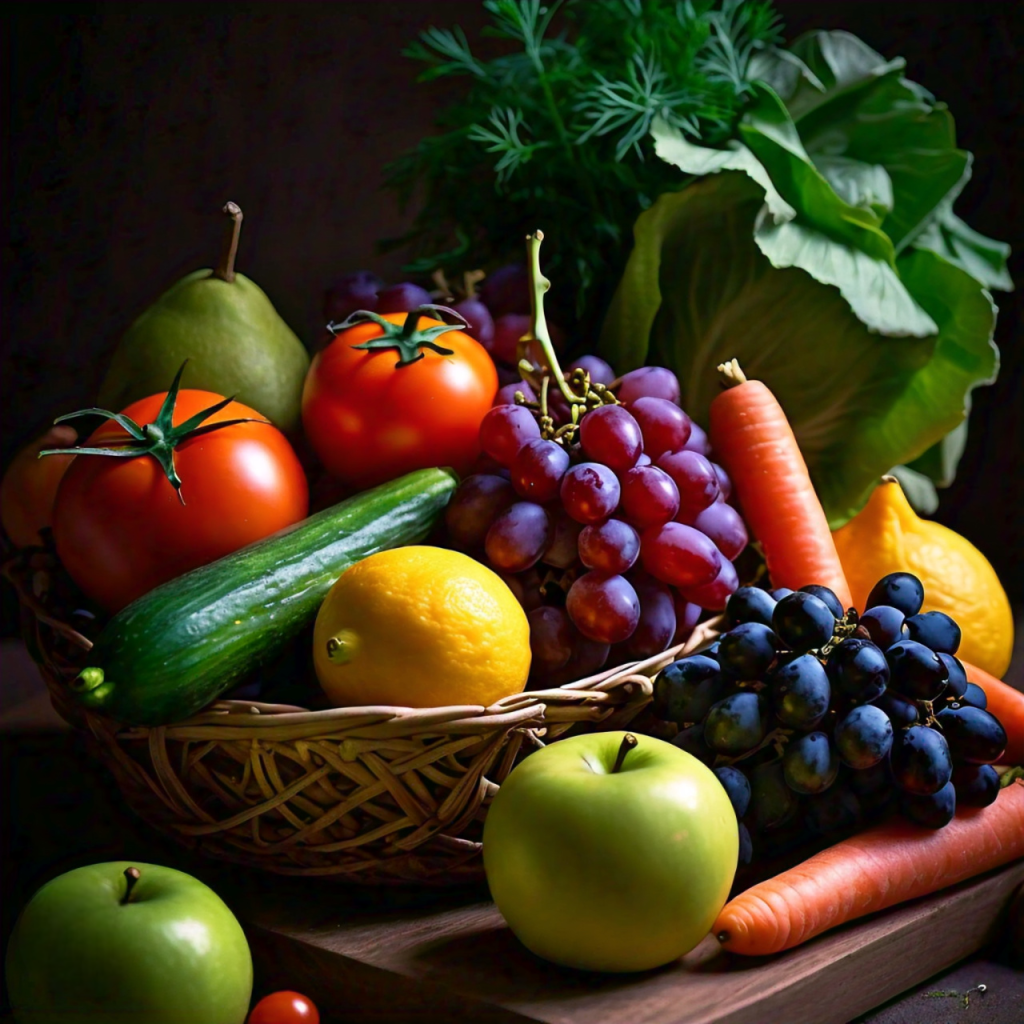
One of the cornerstones of a skin-friendly diet is consumption of hydrating foods. Staying hydrated not only supports overall bodily functions but directly impacts skin elasticity and suppleness. Foods with high water content—like cucumbers, watermelon, and oranges—help to replenish moisture levels in the skin. These fruits and vegetables act as natural hydrators, offering a refreshing way to combat dryness and dullness that often come with aging.
Moreover, plant-based sources of protein play a crucial role in skin repair and rejuvenation. Ingredients such as legumes, lentils, and quinoa contain essential amino acids necessary for the production of collagen and elastin. These two proteins are vital for maintaining skin structure and firmness. Including these protein sources in your diet not only provides the building blocks for healthy skin but also supports overall muscle health, creating a more contoured appearance with age.
- Whole Grains: Foods like brown rice, oats, and barley are rich in vitamins and minerals that contribute to skin nourishment. They are also low in glycemic index, meaning they help regulate blood sugar levels and may reduce the risk of skin problems associated with high sugar consumption.
- Spices: Adding spices such as turmeric and ginger to your meals can enhance the anti-inflammatory effects of your diet. Turmeric, in particular, contains curcumin, recognized for its ability to fight wrinkles and increase skin radiance.
- Dark Chocolate: Indulging in a square of dark chocolate (with at least 70% cocoa) can be beneficial due to its high antioxidant content. This delectable treat can help improve circulation, increase hydration, and promote skin elasticity, leading to a more youthful appearance.
Additionally, the role of hydration cannot be overstated when discussing skin health. Drinking adequate amounts of water daily is essential for maintaining elasticity and aiding in the skin’s repair processes. For those who may not enjoy plain water, herbal teas or infused waters with fruits and herbs can offer flavorful alternatives while promoting hydration.
As we further explore the impact of nutrition on skin health, it’s important to focus on a holistic approach. Each component—from hydrating foods to antioxidant-rich ingredients—contributes to a comprehensive nutritional strategy that can help combat the signs of aging. By focusing on the intake of nourishing foods, we can unlock the potential for healthier, more vibrant skin, combating fine lines and wrinkles from the inside out.
| Nutrient Category | Benefits for Skin Health |
|---|---|
| Antioxidants | Help neutralize free radicals, reducing oxidative stress that contributes to aging. |
| Healthy Fats | Promote skin elasticity and hydration; sources include avocado and nuts. |
| Vitamin C | Essential for collagen synthesis, helping maintain skin firmness. |
| Hydration | Water-rich foods keep skin plump and support overall skin function. |
Incorporating the right nutrients into your diet can vastly improve your skin health and combat the signs of aging. Nutrients like antioxidants found in berries and leafy greens are paramount in neutralizing free radicals, which damage skin cells and accelerate aging. Healthy fats, such as those in olive oil and fish, work wonders for maintaining moisture and elasticity, creating a youthful appearance.Moreover, vitamin C is not only crucial for collagen production but also helps repair skin tissue and minimize wrinkles. Foods rich in this vitamin, like oranges and bell peppers, are excellent additions to your meals. Last but not least, hydration is key; consuming foods with high water content, such as cucumbers and watermelon, enhances skin’s vibrancy and function.By integrating these vital components into your daily nutrition, you pave the way for not just healthier skin but also a more confident you, emphasizing the powerful connection between diet and skin vitality.
DISCOVER MORE: Click here for tips that elevate your confidence
Antioxidant-Rich Foods for Skin Protection
In the battle against skin aging, antioxidants emerge as formidable allies. These powerful compounds help neutralize free radicals that accelerate skin aging and contribute to conditions such as fine lines, wrinkles, and age spots. Incorporating a diverse array of antioxidant-rich foods into your diet can significantly enhance your skin’s resilience against environmental stressors.
One category of antioxidants that deserves special mention is vitamins C and E. Citrus fruits such as oranges, grapefruits, and kiwis are teeming with vitamin C, which is crucial for collagen synthesis and skin repair. This vitamin not only helps in creating and maintaining collagen, but it also protects the skin from sun damage, acting like a natural sunscreen when consumed regularly. Pairing vitamin C with foods rich in vitamin E, such as almonds, avocados, and spinach, enhances its effectiveness, providing a dual approach to skin defense.
- Berries: Blueberries, strawberries, and blackberries are among the richest sources of antioxidants. These fruits contain anthocyanins, which not only fight oxidative stress but also improve overall skin texture and tone.
- Green Tea: Renowned for its health benefits, green tea possesses catechins that promote blood circulation and skin hydration, enhancing radiance and helping to minimize the appearance of wrinkles.
- Leafy Greens: Kale, spinach, and Swiss chard are packed with vitamins A, C, and K, all of which contribute to skin health. These greens bolster skin elasticity and help in reducing pigmentation, promoting an even complexion.
The Power of Healthy Fats
Another essential component to consider in the discussion of nutrition’s impact on skin health is the role of healthy fats. Omega-3 and omega-6 fatty acids play a critical role in maintaining skin’s lipid barrier, often referred to as the skin’s natural moisturizer. Foods rich in these fatty acids, such as fatty fish like salmon, mackerel, and sardines, have anti-inflammatory properties that can reduce redness and irritation, leading to a more even skin tone.
Vegetarian sources of healthy fats, such as walnuts, chia seeds, and flaxseeds, also provide a plant-based alternative for obtaining omega fatty acids. These foods not only nourish the skin but also help to maintain hydration, leading to a plump, youthful appearance. Research shows that diets high in omega-3s are linked to a decrease in skin disorders and a notable improvement in skin elasticity, further emphasizing their importance in any anti-aging dietary strategy.
The Role of Probiotics
While often overlooked, probiotics have been shown to play a significant role in skin health. These beneficial bacteria assist in maintaining a balanced microbiome, which can greatly influence skin inflammation and overall appearance. Foods rich in probiotics, such as yogurt, kefir, sauerkraut, and kimchi, can help improve skin’s texture and combat conditions like acne and eczema by reducing inflammation and promoting a healthy gut. The gut-skin connection is a burgeoning area of research, suggesting that what we eat can manifest visibly on our skin.
By embracing a holistic approach to nutrition, we can leverage these powerful foods to combat the signs of aging effectively. Consuming a variety of nutrient-rich foods that nourish the skin and bolster its defenses opens up exciting avenues for attaining a healthier and more youthful appearance. With the right dietary choices, the quest for vibrant, youthful skin can be not just a hope but an achievable reality.
DISCOVER MORE: Click here to learn about common skincare mistakes to avoid
Conclusion: Nourishing Skin from Within
The intricate relationship between nutrition and skin health highlights the significant role our dietary choices play in combating signs of aging. By prioritizing foods rich in antioxidants, healthy fats, and probiotics, we empower our skin to fight against the visible signs of aging. As we navigate through life, it’s crucial to recognize that a healthy diet not only serves to nourish our bodies but also protects our skin from oxidative stress and inflammation, which can lead to premature aging.
Incorporating fruits and vegetables high in vitamins C and E, such as berries and leafy greens, offers the dual benefits of enhancing skin health while improving overall vitality. Likewise, embracing healthy fats found in fatty fish or plant-based options like chia seeds can help maintain skin hydration and elasticity, fostering a more youthful appearance.
Moreover, the role of probiotics cannot be understated; their ability to balance the gut microbiome directly translates into improved skin texture and reduced inflammation. As we continue to delve into the gut-skin connection, it’s becoming increasingly clear that our dietary patterns have far-reaching effects beyond mere physical health.
Overall, by making conscious, informed dietary choices, we can significantly influence our skin’s aging process, making the dream of vibrant, youthful skin a tangible reality. Let the foods we eat be our greatest allies in the pursuit of skin health—a pursuit that, when taken seriously, can rejuvenate and restore not just our skin, but also our confidence.