Innovations in Beauty: How Natural Ingredients Are Transforming the Cosmetics Industry
The Changing Landscape of Cosmetics
The cosmetics industry is currently experiencing a paradigm shift where consumer expectations are evolving to demand greater accountability from brands. The desire for products that successfully combine effectiveness with sustainability is leading to a resurgence of natural ingredients in mainstream beauty offerings. Unlike the past, where natural formulations were often categorized as niche or specialty, they are now securing a prominent place alongside traditional cosmetics, as consumers become increasingly aware of the health risks and environmental consequences associated with synthetic ingredients.
Ingredient Transparency
One of the significant changes in the cosmetics realm is the emphasis on ingredient transparency. Today’s consumers are more informed than ever, seeking clear and honest labeling regarding the components used in their products. For example, brands like Beautycounter are leading the charge by providing extensive product ingredient lists and details on sourcing practices. This commitment empowers consumers to make educated choices about what they apply to their skin. Furthermore, the rise of apps that allow users to scan products for ingredient safety ratings illustrates the growing demand for transparency.
Eco-Friendly Practices
As sustainability becomes entrenched in consumer values, eco-friendly practices are emerging as industry standards. This includes embracing sustainable farming techniques and responsible harvesting. Companies such as Lush and The Body Shop hold themselves to high environmental standards, ensuring that their sourcing methods do not deplete natural resources or harm local ecosystems. This commitment to sustainability not only protects the environment but also enhances the brand loyalty of environmentally-conscious consumers.
Health Conscious Formulations
Consumers are demanding formulations that avoid potentially harmful chemicals. Products that use natural ingredients like aloe vera, green tea, and argan oil, known for their nourishing properties, are gaining traction. For instance, 100% Pure prides itself on creating products made from natural fruits and plants, effectively eliminating parabens, sulfates, and artificial fragrances. This health-conscious approach not only aligns with consumer desires for safer cosmetic options but also aligns with growing trends in overall health and wellness.
Innovation Meets Sustainability
The interplay between innovation and sustainability is shaping the future of cosmetics. As brands experiment with new natural ingredients and innovative formulations, they are also catering to the ethical concerns of a market that is increasingly interested in the origins of its products. The evolution of cosmetics to reflect both efficacy and environmental stewardship opens new avenues for creativity and user engagement in beauty rituals.
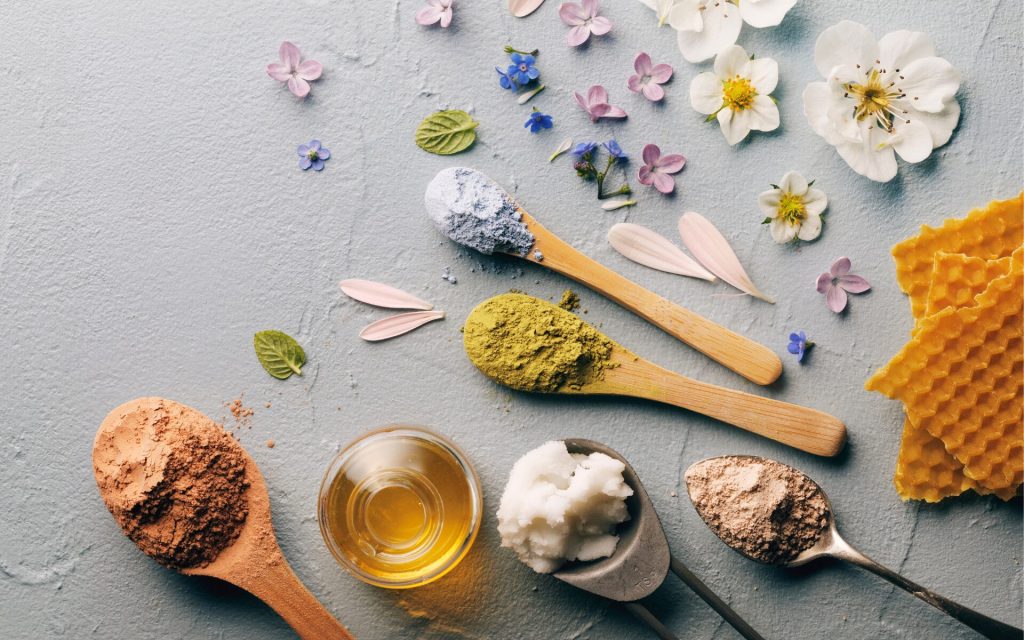

As the cosmetics industry continues to embrace this transformation, it is clear that the focus on natural ingredients not only enhances product efficacy but also resonates deeply with consumer values surrounding health and environmental sustainability. This movement signifies a pivotal moment for the beauty industry, demanding ongoing innovations that meet the changing expectations of consumers in the United States and beyond.
DIVE DEEPER: Click here to discover the importance of personalization in skincare
Revitalizing Beauty with Nature
The cosmetic landscape is evolving at a remarkable pace, with brands actively seeking ways to incorporate natural ingredients into their formulations. This shift is not merely a trend but a profound transformation that addresses both the efficacy of products and their impact on our environment. Today’s consumers, driven by a combination of health concerns and sustainability awareness, are increasingly gravitating towards products that emphasize an alignment with nature.
Rise of Plant-Based Ingredients
One of the standout trends in the industry is the growing popularity of plant-based ingredients. Ingredients such as shea butter, jojoba oil, and tea tree oil are not only revered for their skin benefits but are also increasingly backed by scientific research confirming their effectiveness. For instance, shea butter is celebrated for its deep moisturization and healing properties, making it a favorite in formulations targeting dry skin. Companies like Burt’s Bees and SheaMoisture have elevated these natural components, establishing them as essential elements in day-to-day beauty routines.
Innovative Extraction Techniques
The advancement of extraction technologies has allowed brands to harness the full potential of natural ingredients while preserving their inherent benefits. Cold-pressed and supercritical CO2 extraction methods, for instance, enable manufacturers to obtain high-quality plant extracts without losing their potency. These innovations ensure that active compounds remain intact, allowing consumers to reap the maximum benefits from products based on these natural ingredients. Brands such as Antipodes are innovating in this area, utilizing advanced methods to source their ingredients while emphasizing sustainability.
Fragrance and Color from Nature
The drive for natural has also influenced how companies approach fragrance and color in their cosmetics. Traditional synthetic fragrances and colorants are being phased out in favor of naturally derived options. Ingredients like beetroot extract for coloring and essential oils for fragrance are finding their way into mainstream beauty products, allowing for vibrant hues and captivating scents without chemical fallout. Noteworthy brands such as RMS Beauty are leveraging this trend, creating cosmetics that are as visually appealing as they are safe for the skin.
Consumer Education and Awareness
A pivotal factor in the success of natural ingredients is the growing emphasis on consumer education and awareness. As shoppers become more discerning, cosmetic brands are investing in outreach strategies that inform consumers about the benefits of using natural ingredients. Companies are now facilitating educational events, webinars, and social media campaigns aimed at helping consumers understand the advantages of choosing natural products over conventional ones. This shift toward informed purchasing decisions marks a significant cultural shift within the beauty industry.
Overall, the innovative integration of natural ingredients into cosmetic formulations signifies a remarkable change, not just in product development, but in the relationship consumers have with beauty products. As this trend continues to gain momentum, brands that prioritize transparency, efficacy, and sustainability will undoubtedly stand out in an increasingly competitive market.
| Innovation Category | Key Characteristics |
|---|---|
| Natural Ingredients | Harnessing the power of botanicals and organic materials. |
| Sustainability | Eco-friendly packaging and recycling initiatives. |
The cosmetics industry is witnessing a profound shift as natural ingredients increasingly dominate the market. With consumers becoming more conscious of the contents in their beauty products, brands are opting for plant-based formulations that are not only effective but also gentle on the skin. This trend not only enhances the efficacy of products but also encourages a connection with nature, promoting a sense of well-being among users.Furthermore, sustainability has become a critical focus, with many companies prioritizing eco-friendly practices. From sourcing ingredients responsibly to utilizing recyclable packaging, innovation in beauty underscores a commitment to preserving our planet while delivering high-quality cosmetics. This aligns with consumer expectations for brands that resonate with their values, thus driving a more informed and discerning marketplace.The integration of natural ingredients also opens the door to new formulations that cater to diverse skin types and concerns. Ingredients like aloe vera, tea tree oil, and coconut oil are becoming staples, delivering hydration, antibacterial properties, and nourishing benefits. As research continues, the cosmetics sector is not only innovating but also educating consumers, leading to a transformation that prioritizes health and sustainability.
DISCOVER MORE: Click here to learn how nutrition can enhance your skin
Revolutionizing Formulations with Technology
As the demand for natural ingredients continues to escalate, the cosmetics industry is witnessing a rapid evolution in ingredient formulation techniques. Brands are increasingly adopting biotechnology to create safer, more effective products that also minimize environmental impact. This approach not only adheres to the principles of sustainability but also enhances product performance by utilizing ingredients that are scientifically engineered to provide targeted results.
Harnessing the Power of Fermentation
Among the innovative methods emerging on the scene is fermentation, a technique that harnesses microorganisms to enhance the efficacy of natural ingredients. Fermented ingredients, such as kombucha and sake, are gaining traction for their skin-beneficial properties, including improved hydration, clarity, and anti-aging effects. Brands like Tatcha utilize fermented rice and green tea in their products to unlock potent antioxidants, providing users with a luxurious experience while simultaneously promoting healthy skin. In addition, fermented ingredients may reduce the potential for irritation, making them suitable for a wider range of skin types.
Personalized Beauty through AI and Genetics
The rise of personalized beauty has significantly altered consumers’ expectations regarding product suitability and effectiveness. With the incorporation of artificial intelligence (AI) and genetic testing, companies can now tailor their offerings to meet individual needs. For instance, brands like Skin Advocate and GeneU analyze genetic data to create personalized skincare products that work harmoniously with users’ unique skin types and conditions. This level of customization not only empowers consumers but also aligns perfectly with the trend of embracing natural ingredients known for their restorative benefits.
Eco-Conscious Packaging Solutions
The beauty industry is also seeing a wave of innovative packaging solutions designed to minimize waste and environmental impact, following the lead of the natural ingredient movement. Companies are embracing biodegradable and recyclable materials, along with refillable packaging systems, which simultaneously appeal to eco-conscious consumers looking for sustainable options. For example, brands like Lush and The Body Shop have pioneered the “naked” packaging initiative, offering products that don’t require wrapping, thereby reducing plastic use. Such initiatives demonstrate that a commitment to natural ingredients extends beyond formulations to the entire product life cycle.
Transparency and Certification
Transparency in sourcing and ingredient disclosure is becoming paramount as consumers demand more accountability from brands. The implementation of third-party certifications, such as USDA Organic and Ecocert, ensures that brands adhere to strict guidelines regarding their use of natural ingredients. This level of certification not only fosters consumer trust but also encourages brands to maintain high standards in their ingredient sourcing practices. For example, companies like 100% Pure are committed to transparency, providing consumers with detailed information about the origins and benefits of every ingredient in their products.
As these advancements unfold, it is clear that the infusion of technology into the use of natural ingredients is not just reshaping individual products but redefining the beauty industry as a whole. The intersection of nature, science, and innovation is creating a potent formula for success, catering to consumers eager for effective, eco-friendly beauty solutions.
DISCOVER MORE: Click here to enhance your skincare routine
Embracing the Future of Beauty with Natural Innovations
The cosmetics industry stands at a pivotal juncture, driven by a dynamic shift toward natural ingredients and cutting-edge innovations that resonate with today’s eco-conscious consumers. As we’ve explored, technological advancements—spanning biotechnology, fermentation, and personalized skincare—are revolutionizing product formulations, making them both effective and environmentally friendly. This transformation is not just a fleeting trend but a profound movement that redefines beauty norms and consumer expectations.
As brands increasingly prioritize the use of sustainable, biodegradable, and recyclable packaging, they reflect a holistic understanding of the intersection between natural beauty and environmental responsibility. The push for transparency in ingredient sourcing—bolstered by certifications like USDA Organic—fosters trust and encourages brands to maintain rigorous ethical standards. This cultural shift invites consumers to be more discerning and engaged with their beauty choices, moving away from conventional formulations that often prioritize aesthetics over health.
Looking ahead, the continuous integration of science and nature promises unprecedented possibilities for product innovation in the cosmetics industry. As consumers become more acquainted with the tangible benefits of natural ingredients, from improved skin health to reduced environmental impact, it’s likely that the demand for such products will only grow stronger. The beauty landscape is evolving, and with it, the ability to create a more sustainable, inclusive, and effective beauty experience. For those eager to explore the interplay of nature and science in their beauty routines, now is an exciting time to discover how these innovations are creating a luminous future for the cosmetics industry.