
The Role of Computer Vision in Modern Agriculture
As the agricultural landscape evolves, the integration of technology has turned into a key driver, ultimately reshaping farming practices across the United States. Among the forefront technologies, computer vision has emerged as a revolutionary tool that provides farmers with invaluable insights into crop health and resource management. This technological leap empowers farmers to engage in precision agriculture, ensuring that every decision is backed by data, thus maximizing productivity and sustainability.
Monitoring Crop Conditions
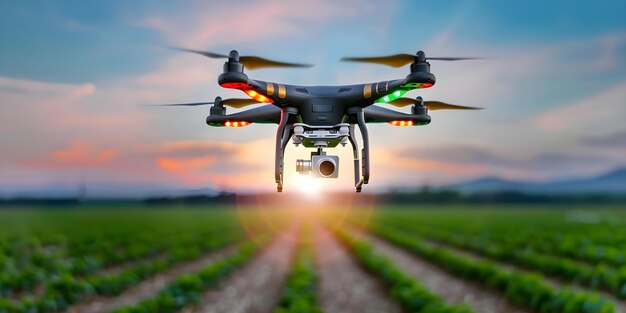
One of the standout applications of computer vision is the ability to monitor crop conditions through advanced imaging technologies, such as drones equipped with high-resolution cameras and multispectral imaging sensors. These devices can cover large fields in a fraction of the time it would take for human scouts to visually assess crops. Farmers can receive detailed images and analytics about crop health in real-time, allowing them to identify issues like pest infestations or nutrient deficiencies early on. For instance, the use of drones by companies like DJI and PrecisionHawk is becoming more commonplace, enabling farmers to implement timely interventions that enhance yields and maintain crop integrity.
Optimizing Resources
Moreover, computer vision technology facilitates resource optimization. Advanced automation systems, powered by artificial intelligence (AI), analyze data to determine precise irrigation needs. Traditional methods often lead to over- or under-watering, resulting in waste and decreased productivity. By utilizing AI algorithms that process visual data from the field, farmers can significantly reduce water waste. Companies like CropX and Verge Ag are creating software solutions that evaluate soil moisture levels and advise irrigation schedules, helping farmers make more informed decisions.
Enhancing Yield Predictions
In the realm of yield predictions, computer vision also plays a crucial role. By combining visual data with sophisticated data analytics, farmers can gain insights into expected harvest quantities and identify the best times for planting and harvesting. For example, start-ups like Agribotix are utilizing aerial imagery to assess crop maturation stages, allowing farmers to predict yields with greater accuracy. This information is invaluable as it informs not only current farming efforts but also future crop planning and investment decisions.
Challenges and Solutions
Facing challenges such as climate change and depleting natural resources, the agricultural sector must seek innovative solutions like computer vision to ensure its viability. This technology offers promising capabilities to boost crop quality through targeted strategies, minimize environmental impacts, and enhance economic viability. Farmers using these cutting-edge tools are not just reacting to challenges; they are proactively reshaping the agricultural practices to be more sustainable for future generations.
The Future of Farming
The potential of computer vision in agriculture is vast. By transitioning from traditional farming methods to high-tech operations, farmers are positioned to tackle modern challenges head-on. Embracing these technological advancements leads to smarter farming practices, subsequently paving the way for a more efficient, environmentally friendly, and sustainable agricultural future. As technology continues to advance, the agricultural community stands ready to reap the benefits, setting new standards for productivity and sustainability in the food supply chain.
DIVE DEEPER: Click here to discover more
Transforming Crop Management through Computer Vision
Computer vision is not just a modern marvel; it’s a pivotal component reshaping how farmers manage their crops. Utilizing advanced imagery techniques, this technology empowers farmers to transition from reactionary practices to proactive strategies, optimizing both yield and resource management. By processing high-resolution images and videos captured by drones and stationary cameras, farmers can receive actionable insights that drive efficiency. The importance of this technology is underscored by its ability to assist farmers in achieving a delicate balance between productivity and sustainability.
Detailed Crop Analysis
One of the most remarkable features of computer vision in agriculture is its capability for detailed crop analysis. Through the use of multispectral imaging, farmers can monitor plants at various wavelengths, offering insights that are invisible to the naked eye. This means that abnormalities like water stress, disease, or nutrient insufficiencies can be detected early. Visual data, when interpreted correctly, can inform farmers of specific areas needing attention, allowing for localized interventions rather than blanket treatments that may waste resources.
- Early Detection: Timely identification of issues can significantly affect yield.
- Localized Solutions: Farmers can address only the affected areas, minimizing resource consumption.
- Data-Driven Decisions: Enhanced accuracy in monitoring leads to informed economic choices.
Precision Irrigation Techniques
Another pivotal role played by computer vision is in precision irrigation. Traditional methods often operate on assumptions about soil moisture and crop needs, leading to inefficiencies. In contrast, computer vision enables farmers to evaluate real-time data on moisture levels and crop requirements, allowing for water applications tailored to specific conditions. Companies like Blue River Technology are revolutionizing this process by employing machine learning algorithms that interpret visual information and provide irrigation recommendations based on current soil conditions.
The Impact of AI Integration
Integrating artificial intelligence (AI) with computer vision creates synergistic effects that enhance operational capabilities. For example, AI algorithms can sift through vast amounts of visual data and identify patterns that human eyes cannot detect. This capability can lead to optimization in planting schedules and crop rotation strategies, ultimately increasing productivity. The predictive analytics powered by computer vision can provide farmers with a clearer forecast of crop performance across different seasons, allowing them to plan ahead effectively.
Addressing Sustainability Challenges
The convergence of computer vision and precision agriculture is not only about increasing yield and efficiency but also about promoting sustainability. By minimizing water usage, reducing chemical applications, and improving overall crop health, farmers can lessen their environmental footprint. This shift towards sustainable practices addresses not just the needs of farmers, but also those of consumers and the planet when considering the long-term effects of agriculture.
As computer vision technology continues to advance, its role in precision agriculture will only grow, adapting to meet the challenges posed by climate change and resource scarcity. Farmers who embrace this technology today will likely set the standards for the agricultural practices of tomorrow, ensuring both profitability and ecological responsibility.
| Advantages | Details |
|---|---|
| Increased Yield | Computer vision technologies allow for precise monitoring of crop health, leading to tailored interventions that boost output. |
| Resource Management | Efficient use of water, fertilizers, and pesticides is possible through data analytics, ensuring crops receive just what they need. |
| Cost Reduction | Automation of labor-intensive tasks reduces operational costs, allowing farmers to allocate resources more strategically. |
| Sustainability | Promotes eco-friendly practices by monitoring soil health and optimizing input usage to minimize environmental impact. |
The integration of computer vision technology into precision agriculture not only enhances crop optimization but significantly improves resource management. By utilizing advanced imaging techniques and algorithms, farmers are able to detect early signs of disease and nutrient deficiencies. The benefits extend beyond mere observation, enabling targeted treatment that can lead to better crop health and minimized waste. In addition, these technologies facilitate sophisticated data analysis, allowing producers to make informed decisions based on real-time insights into their fields. The cumulative effect of these advantages not only enhances yield but also promotes a sustainable approach to farming, aligning with global efforts toward a more efficient agricultural future. Increasingly, the agricultural sector is embracing these innovations, transforming traditional farming methods into a more precise and resilient operation. The impact of computer vision is profound, promising a future where technology and agriculture harmoniously coexist for enhanced productivity.
LEARN MORE: Click here to dive deeper
Enhancing Yield through Smart Technologies
Beyond analysis and precision, computer vision is at the forefront of smart technology integration in agriculture, significantly enhancing the overall yield of crops. The deployment of autonomous machinery equipped with computer vision capabilities allows for a level of efficiency that was previously unattainable. For instance, robotic harvesters, which utilize real-time visual data, are able to identify ripe crops and selectively harvest only those, thus preventing wastage and ensuring that the best quality produce reaches the market.
Viability of High-Resolution Mapping
High-resolution mapping generated by computer vision systems is transforming how fields are assessed and managed. These maps provide detailed spatial data that reveal micro-variations in soil health, moisture levels, and nutrient distribution. NDVI (Normalized Difference Vegetation Index) analysis helps farmers visualize plant vigor across their farmland, allowing them to tailor management practices with pinpoint accuracy. This detailed mapping gives farmers the tools to foster a stronger understanding of their land, ultimately guiding them toward better decision-making and crop management.
- Targeted Interventions: Use of high-resolution maps allows for prioritization of areas needing treatment, reducing expenditures.
- Macro to Micro Understanding: Farm-wide perspectives can be complemented with precise localized insights.
- Informed Soil Management: With the knowledge gained from mapping, soil amendments can be applied judiciously, optimizing soil health.
Real-Time Monitoring and Response
Computer vision systems also facilitate real-time monitoring, allowing farmers to act swiftly in response to changing conditions. The capability to continuously monitor crops during critical growth stages means that farmers can detect shifts in health, moisture, or pest activity almost immediately. This immediacy can be the difference between a minor issue and a devastating crop loss. Applications are also available that send alerts through mobile devices, enabling farmers to manage their fields even from a distance effectively.
The Role of Data Processing and Visualization
To maximize the potential of computer vision, advanced data processing and visualization technologies are essential. The vast quantities of data collected through images must be analyzed and interpreted rapidly. Companies like FarmLogs and Cropio are pioneering innovative platforms that aggregate and visualize this data, providing an accessible interface for farmers. These user-friendly dashboards allow for rapid decision-making based on comprehensive visual insights, ultimately fostering an adaptable farming environment.
- Intuitive Interfaces: Modern platforms enable farmers to engage with complex data easily.
- Trend Analysis: Long-term data visualization helps identify patterns and late-onset problems.
- Management Integration: Coupled with farm management software, visual insights lead to cohesive strategies across operations.
Benefits for Diverse Agriculture Types
The flexibility of computer vision technology means it caters to various agriculture types, from large-scale operations to niche farming. For example, in the viticulture sector, computer vision can be harnessed to evaluate grape ripeness, leading to optimal harvest times that ensure maximal quality for winemaking. Meanwhile, in the realm of cereals and grains, crop monitoring and treatment can help mitigate the effects of pests and diseases, preserving both yield and profitability.
The diversity of applications speaks to the power of computer vision in precision agriculture, making it an invaluable resource for modern farmers looking to innovate and excel in their practices.
DIVE DEEPER: Click here to learn about the partnership of humans and machines</p
Conclusion: The Future of Farming with Computer Vision
As we venture deeper into the age of technology, the role of computer vision in precision agriculture emerges as a game changer for sustainable farming practices and effective resource management. The integration of advanced imaging processing and data analytics not only fosters increased crop yields but also allows farmers to make informed decisions tailored to the specific needs of their fields. High-resolution mapping, real-time monitoring, and intuitive data visualization platforms together create an ecosystem where farmers can maximize their productivity while minimizing waste and environmental impact.
The ability to employ targeted interventions based on detailed insights facilitates a more logical approach to crop management, promoting healthier soil and crop vitality. Additionally, the adaptability of computer vision technology makes it applicable across various agricultural sectors—be it large-scale farming, specialized horticulture, or organic practices—giving growers the tools they need to succeed in a competitive market.
Furthermore, as challenges such as climate change and resource scarcity intensify, the marriage of computer vision with agricultural processes stands poised to offer solutions that enhance resilience and sustainability. Looking ahead, the potential for innovation remains vast, with ongoing advancements promising to redefine how we cultivate our land, nurture our crops, and ultimately feed our growing population. As farmers embrace these smart technologies, we witness a paradigm shift that underscores the importance of precision agriculture in fostering a more sustainable and productive future.