
Cruelty-Free Beauty: Reviewing Eco-Friendly Skincare Brands
Understanding the Ethical Skincare Movement
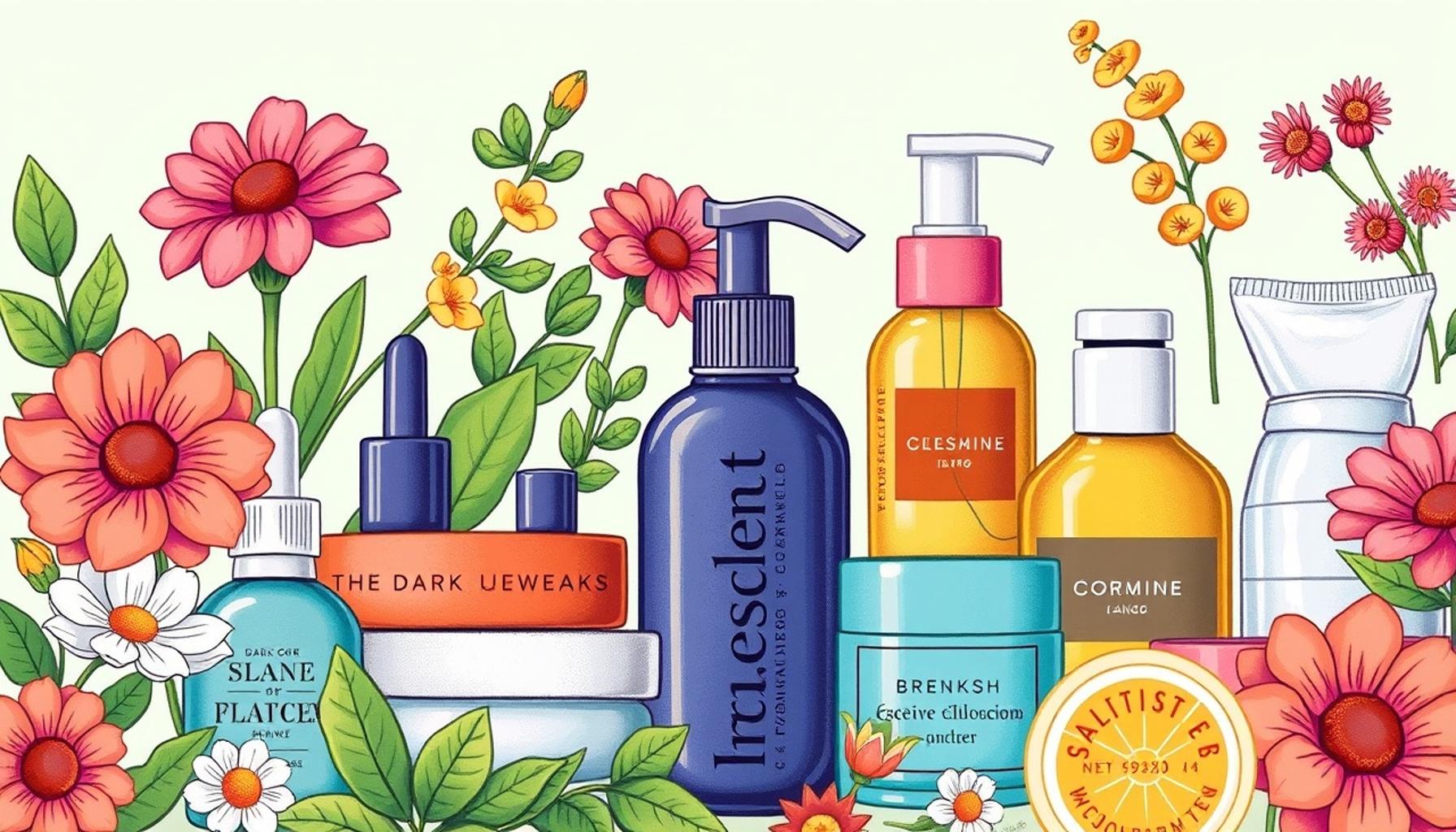
As consumers become increasingly aware of the impact their choices have on the planet and its inhabitants, a significant transformation is sweeping through the beauty industry. Demand for cruelty-free and eco-friendly skincare products is not merely a fad; it is a crucial adjustment to rising concerns about animal rights, environmental degradation, and the sustainability of natural resources. This awareness is prompting many beauty brands to reassess their practices and align their missions with more ethical standards.
But what does it mean for a product to be defined as cruelty-free? This designation encompasses a spectrum of practices aimed at preventing animal suffering. No animal testing at any phase of product development is a cornerstone of cruelty-free certification. This means that companies are committed to ensuring that no animals are harmed in the testing of their products, from formulation to final packaging. Furthermore, these brands are also dedicated to sourcing sustainable ingredients that reduce environmental impact. For instance, ingredients may be derived from organic farms that practice regenerative agriculture, helping to rejuvenate the ecosystem rather than deplete it. Lastly, these brands often use recyclable packaging, which reduces waste and encourages consumers to engage in environmentally-friendly disposal practices.
In the United States, a remarkable number of brands are championing these principles. Herbivore Botanicals, for example, prides itself on using natural, non-toxic components such as plant extracts and minerals. They emphasize transparency in their ingredient sourcing, which resonates well with conscious consumers. Similarly, Pacifica Beauty offers an extensive array of vegan skincare and makeup products, ensuring that beauty aficionados can indulge without compromising their ethics. On the luxury front, Tata Harper has made a name for itself with a commitment to 100% natural ingredients, using botanicals grown in their very own farm in Vermont, which showcases a hands-on approach to production and sustainability.
As shoppers seek products that not only meet their beauty objectives but also align with their ethical beliefs, the importance of these eco-friendly brands cannot be overstated. This article will take you on an exploration of the eco-friendly skincare brands, shedding light on their unique offerings, sustainable practices, and why they warrant a place in your personal skincare regimen. By aligning your beauty routine with your values, you can have a positive impact on the planet while treating your skin with care.
DISCOVER MORE: Click here for tips on enhancing your natural beauty

The Rise of Eco-Friendly Skincare Brands
As the ethical skincare movement gains momentum, an increasing number of eco-friendly skincare brands are stepping into the spotlight. These brands not only prioritize cruelty-free practices but also address other significant environmental issues, making them a holistic choice for the conscientious consumer. The interest in sustainable beauty is bolstered by a growing body of research highlighting the damaging effects of harmful ingredients both on the skin and the environment. In response, beauty enthusiasts are actively searching for alternatives that complement their values.
One intriguing aspect of the eco-friendly skincare movement is its focus on ingredient transparency. Today’s consumers are more informed, craving clarity on what goes into the products they use daily. Brands such as RMS Beauty have embraced this mindset by providing detailed information about sourcing practices and ingredient benefits. This level of openness fosters trust, enabling consumers to make informed decisions that align with their ethical considerations.
Key Attributes of Eco-Friendly Skincare Brands
To help navigate through the myriad of options available, here are some key attributes to look for in reputable eco-friendly skincare brands:
- Seamless cruelty-free certification: Brands should be certified by recognized organizations that ensure no animal testing is involved at any phase of product development.
- Sponsoring sustainable farming: Look for companies that source their ingredients from organic farms that engage in practices promoting biodiversity and soil health.
- Minimalist and biodegradable packaging: Eco-conscious brands prioritize reducing waste by choosing materials that are either recyclable or made from biodegradable components.
- Commitment to natural ingredients: Products should be formulated with plant-based and non-toxic substances that are gentle on the skin and the environment.
The continuous evolution of the beauty industry means that even mainstream brands are feeling the pressure to adapt. Many are now introducing vegan lines, indicating that eco-friendly practices are becoming mainstream rather than niche. For instance, companies like Neutrogena and Clinique have begun integrating cruelty-free and sustainable elements into their products, signaling a shift in consumer expectations.
Moreover, social media has amplified this movement, creating a platform for consumers to share their resonating experiences with eco-friendly brands. Influencers and activists spotlight the importance of cruelty-free beauty, encouraging others to reconsider their purchase choices. Hashtags like #CrueltyFreeBeauty and #EcoFriendlySkinCare have not only raised awareness but have also sparked conversations around ethical consumption and its profound impact on the community and environment.
As we delve deeper into specific brands, it becomes clear that adopting a cruelty-free beauty regimen transcends the desire for vanity—it embodies a commitment to sustainability and a kinder world. The fusion of beauty with ethics is a powerful narrative that is reshaping the skincare landscape, and with the right information, consumers can engage with brands that reflect their values authentically.
Cruelty-Free Certifications: Understanding Their Importance
When exploring the realm of eco-friendly skincare brands, understanding the various cruelty-free certifications becomes crucial. Brands that claim to be cruelty-free may sometimes lack the proper accreditation, making it essential for consumers to be informed. Notable certifications such as the Leaping Bunny and PETA’s Beauty Without Bunnies program offer trusted approaches to identifying products that adhere to strict no-animal-testing standards. These certifications not only ensure ethical practices but also encourage companies to engage in sustainable sourcing and production methods.
Innovative Ingredients in Eco-Friendly Skincare
In the dynamic landscape of cruelty-free beauty, the choice of ingredients plays a pivotal role in determining a brand’s overall sustainability. Many eco-friendly skincare lines utilize natural and organic ingredients over synthetic compounds, minimizing environmental impact. For example, brands often incorporate plant-based oils, botanical extracts, and biodegradable packaging into their product offerings. Such innovative practices not only reduce the carbon footprint but also cater to a growing consumer demand for transparency regarding what goes into beauty products. Exploring these ingredients and their benefits can lead to discovering remarkable alternatives to mainstream choices.
The Role of Consumer Demand in Cruelty-Free Initiatives
The push for cruelty-free beauty has gained momentum in recent years, largely due to increased consumer demand for ethical and environmentally friendly products. This shift has led many mainstream brands to reevaluate their practices and adopt cruelty-free policies. As consumers become more educated about the impact of their purchases, their influence on the beauty industry becomes more pronounced. By supporting eco-friendly skincare brands, consumers not only make ethical choices but also stimulate a market that prioritizes sustainability and compassion.
Investing in a Greener Future
By choosing cruelty-free beauty products, consumers play an integral role in driving change. Each purchase reflects a commitment to animal welfare and environmental sustainability, fostering a beauty landscape that prioritizes ethical practices. As brands innovate with eco-friendly ingredients and sustainable practices, they pave the way for a greener future in skincare. Embracing this movement means supporting businesses that align with personal values and contribute to a better planet.
| Category | Key Features |
|---|---|
| Cruelty-Free Certifications | Trusted accreditations ensure no animal testing. |
| Natural Ingredients | Utilizes sustainable, plant-based alternatives. |
| Consumer Demand | Consumer choices influence industry change. |
| Eco-Friendly Practices | Encourages sustainable sourcing and production. |
DISCOVER MORE: Click here to learn about the latest innovations in beauty
Exploring Leading Eco-Friendly Skincare Brands
As the market expands, several brands have emerged as leaders in the realm of cruelty-free and eco-friendly skincare. Each brand brings its own unique philosophy, but all share a commitment to ethical practices and the use of sustainable ingredients. Highlighting a few standout brands provides a clearer picture of what makes these eco-friendly options desirable for a greener beauty routine.
1. Herbivore Botanicals
Herbivore Botanicals is renowned for its minimalist approach and commitment to clean, cruelty-free beauty. Their products are made with high-quality, natural ingredients free from toxins, and most of their packaging is recyclable or biodegradable. The brand exemplifies transparency by clearly listing ingredient origins and benefits, making it easy for consumers to connect with their skincare choices.
2. 100% Pure
This brand takes the concept of eco-friendly skincare to another level by creating products that utilize entire fruit and vegetable extracts rather than synthetic ingredients. 100% Pure stands out for its dedication to non-toxic, vegan formulations, ensuring that every item they produce is not only gentle on the skin but also environmentally sustainable. From their brightening gel cleansers to nourishing oil serums, their product range is vast, catering to various skincare needs.
3. Burt’s Bees
With a long-standing reputation in the natural skincare market, Burt’s Bees combines efficacy with eco-friendly policies. Their commitment to using ingredients derived from nature is commendable, especially their beeswax products which are carefully sourced from responsible beekeepers. In addition, Burt’s Bees’ packaging is often made from post-consumer materials, contributing to their sustainability goals.
4. Pacifica Beauty
Pacifica Beauty is another brand making waves with its vibrant line-up of skincare, haircare, and makeup products, all aligned with vegan and cruelty-free values. Known for using innovative natural ingredients like coconut, essential oils, and botanicals, Pacifica ensures that all formulations respect the skin and the planet. Their strong stance on eliminating harmful chemicals places them as a favorite among eco-conscious consumers.
Consumer Engagement and Awareness
As these eco-friendly brands flourish, consumer engagement has also deepened. Social media platforms serve as virtual communal spaces where skincare enthusiasts share product reviews and experiences, often helping others to discover new brands. The feedback loop created by reviews on platforms such as Instagram, TikTok, and YouTube has led to increased visibility for lesser-known but innovative brands. This, in turn, encourages companies to remain accountable and continuously improve their practices.
Yet, despite the bright trajectory of cruelty-free brands, the need for vigilance remains. Consumers are encouraged to research the certifications and ethical practices of brands before making purchases. Organizations like Leaping Bunny and PETA provide valuable resources to help shoppers differentiate between genuinely cruelty-free hopefuls and those merely using ‘greenwashing’ tactics. With the myriad of options available, informed buying can make an impactful difference.
Ultimately, as consumers become more aligned with their values, eco-friendly skincare brands will continue to evolve, integrating sustainability and beauty while reflecting a growing demand for responsibility in the beauty industry. The choices made today resonate beyond aesthetics, shaping a future where ethical beauty reigns supreme.
DISCOVER: Click here to enhance your emotional well-being
Conclusion
In a world increasingly defined by consciousness and sustainability, the cruelty-free beauty movement is reshaping the skincare landscape. Brands like Herbivore Botanicals, 100% Pure, Burt’s Bees, and Pacifica Beauty exemplify this shift, offering products that cater not only to beauty needs but also to environmental responsibility. As we navigate the myriad options available, it’s vital to recognize the broader implications of our purchasing choices. The skincare products we choose to apply nourish not just our skin but also the planet, since these eco-friendly brands prioritize ethical sourcing and sustainability in every aspect of their production.
The surge in consumer engagement via social media serves as a reminder of the power wielded by informed shoppers. By sharing product experiences and advocating for transparency, consumers foster community-driven knowledge that holds brands accountable for their practices. However, navigating this landscape requires diligence; discerning genuine cruelty-free brands from those engaged in greenwashing is essential for making impactful decisions.
As we move forward, the demand for eco-friendly skincare will only rise, reinforcing the message that beauty and ethics can coexist harmoniously. Now more than ever, the choices we make reflect our values, and by embracing brands that prioritize cruelty-free practices, we are championing a future where beauty is not only skin deep but also deeply ecological. It is imperative that we ask ourselves: what do our beauty routines say about us, and how can we contribute to a healthier, more ethical world?