Culinary as Therapy: The Power of Cooking for Mental Well-Being
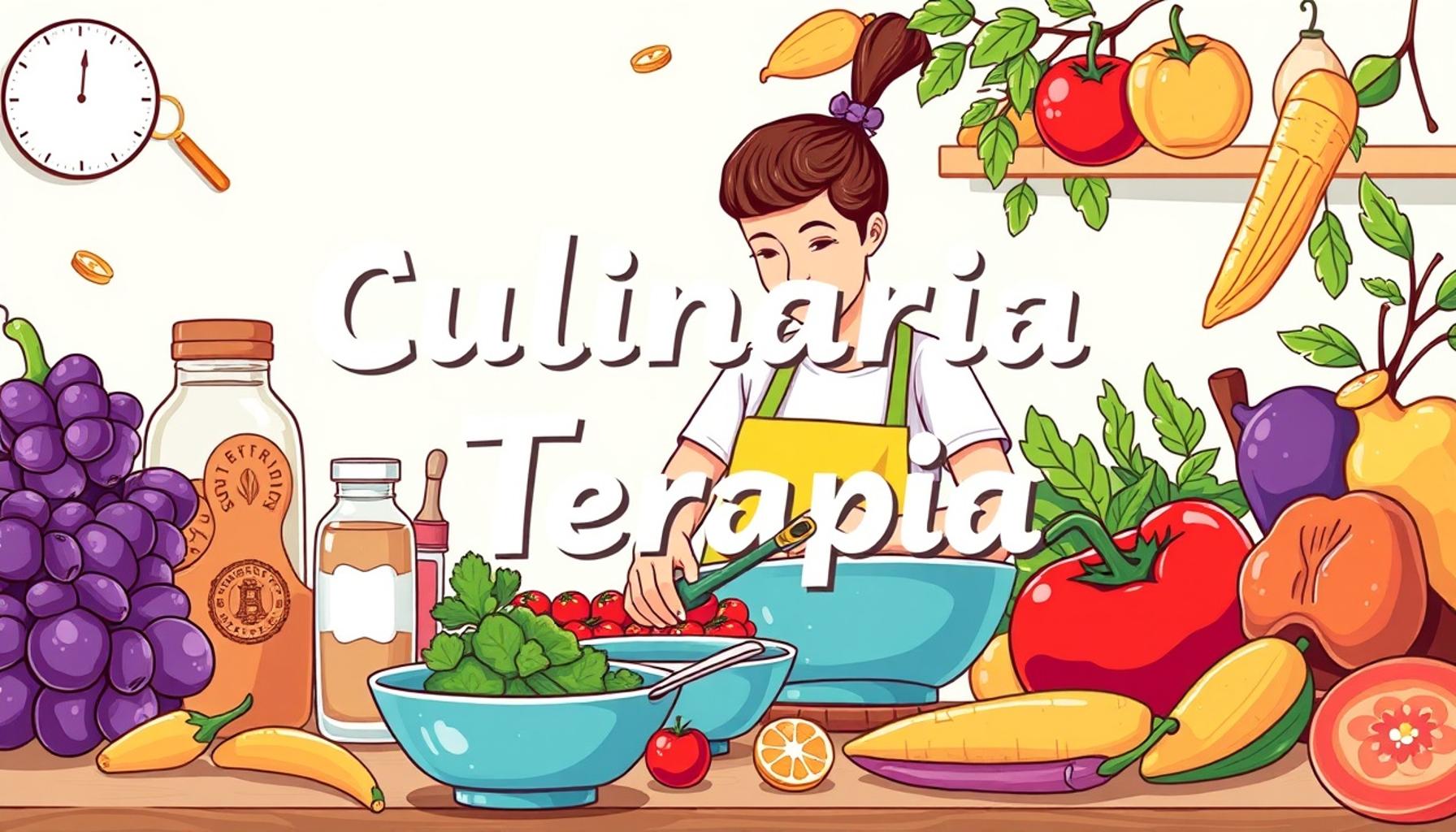
Unlocking Mental Wellness Through Culinary Arts
Cooking is more than just a way to fuel our bodies; it serves as a powerful tool for enhancing mental well-being. With its therapeutic potential, the culinary arts can foster emotional health and provide a sense of purpose. Here’s how:
- Mindfulness: Engaging in the cooking process encourages individuals to focus on the present moment, reducing anxiety and stress. Activities such as chopping vegetables or stirring a pot can be meditative, allowing one to block out distractions and worries.
- Creativity: Experimenting with ingredients can boost self-expression and joy, allowing individuals to explore their artistic side. For instance, trying out a new recipe or concocting a unique dish can unleash creativity, similar to painting on a blank canvas.
- Sensory Stimulation: The aromas, colors, and textures of cooking stimulate the senses, creating a fulfilling sensory experience. The rich smell of garlic sautéing in olive oil or the vibrant colors of fresh vegetables can evoke positive feelings and memories, enhancing overall mood.
Research indicates that activities like cooking can trigger the release of dopamine, the ‘feel-good’ hormone. This biochemical response has made culinary practices a favored approach in therapeutic settings. Moreover, cooking at home can lead to:
- Connection: Sharing meals fosters bonds with family and friends. The act of gathering around a dinner table can strengthen relationships, making meals a vital social activity in many American households.
- Productivity: Completing a recipe can instill a sense of accomplishment. Whether it’s baking a loaf of bread or preparing a complex dish, achieving those culinary goals can be incredibly satisfying.
- Nutrition: Preparing meals at home promotes healthier eating habits, which also contribute to mental health. Individuals who cook at home tend to include more fresh ingredients and balanced nutrients in their diets, positively impacting both physical and mental wellness.
As America embraces diverse culinary traditions, understanding cooking’s role in mental wellness becomes increasingly important. From farm-to-table movements highlighting local ingredients to the rise of cooking classes across community centers, the culinary arts continue to play a critical role in nurturing our mental landscape. Exploring how kitchen creativity can nurture not just the body but also the mind paves the way for a healthier lifestyle. Consider embarking on a culinary journey; it could not only teach you new recipes but also bring profound emotional benefits.
Moreover, culinary therapy is gaining traction in mental health recovery programs, evident in initiatives like “Cooking Matters” which educates families on meal preparation and nutrition. This holistic approach to wellness is reflective of an evolving understanding of the interaction between culinary arts and psychological health. Whether you’re an experienced chef or a novice cook, the kitchen offers a sanctuary of sorts—a place to create, connect, and cultivate well-being in a holistic manner.
DIVE DEEPER: Click here to learn more
The Therapeutic Benefits of Cooking
Culinary therapy is rapidly gaining momentum as an effective means to promote mental health. The act of cooking not only satisfies our physical needs but also serves as a nurturing outlet for emotional expression. Many individuals are discovering that immersing themselves in culinary activities can have significant positive effects on their mental well-being. Here’s a closer look at some of the therapeutic benefits associated with the culinary arts:
- Stress Reduction: Cooking takes us away from the hustle of daily life, allowing us to channel our focus into preparing meals. This form of intentional distraction can significantly lower levels of stress and promote a calmer state of mind. A recent study indicated that individuals who engage in cooking experience a decrease in cortisol levels, the body’s primary stress hormone.
- Routine and Structure: Establishing a cooking routine can provide a sense of normalcy. Routines offer individuals predictability and security, which are vital for those struggling with anxiety or depression. Whether it’s a weekly meal prep session or a Sunday baking ritual, having these activities to look forward to can improve overall mental state.
- Social Engagement: Cooking is often a communal activity. Involving family or friends in the kitchen not only strengthens relationships but also mitigates feelings of isolation. Community cooking classes have emerged as an effective way for individuals to learn culinary skills while fostering connections and building support networks.
- Skill Building: Mastering new culinary techniques can boost self-esteem. The progression from novice to competent cook fosters a sense of achievement that can positively impact one’s mental health. Whether it’s the ability to perfectly dice an onion or bake a soufflé, these accomplishments can instill pride and confidence.
- Mind-Body Connection: Cooking engages multiple senses, which can encourage mindfulness. The tactile experience of kneading dough, the visual appeal of colorful ingredients, and the olfactory delight of spices create a full sensory experience that can ground practitioners in the moment, reducing negative thoughts and enhancing emotional regulation.
As we delve deeper into the multifaceted benefits of cooking as therapy, it’s essential to recognize how embracing local food culture and seasonal ingredients can further enhance this experience. When we cook with fresh produce sourced from farmer’s markets or community gardens, not only do we enrich our meals, but we also strengthen our connection to the community and the environment. This holistic approach contributes significantly to one’s sense of well-being.
In addition, mental health professionals are increasingly incorporating culinary practices into their therapeutic offerings. Programs that integrate cooking sessions into recovery processes have shown promising results for participants in treatment for various mental health issues, including anxiety and depression. The opportunity to create a meal can transform mundane self-care tasks into enjoyable and fulfilling experiences, reinforcing the idea that caring for oneself involves more than just mental attention—it encompasses body and spirit as well.
Ultimately, whether one encounters the kitchen with trepidation or passion, cooking holds the potential to unlock a variety of therapeutic benefits. The delicate interplay between nourishment and emotional well-being invites individuals to explore their own culinary journey, one meal at a time. As we continue to recognize the profound impact of culinary arts on mental wellness, the kitchen beckons not just as a space for cooking, but as a sanctuary for healing and creativity.
The Therapeutic Aspects of Cooking
Cooking is not just a necessity; it is a powerful tool that can significantly enhance our mental well-being. Engaging in culinary activities has been linked to reducing stress and anxiety levels. The rhythmic actions of chopping, stirring, and sautéing can serve as a form of mindfulness, allowing individuals to focus on the present moment. This process of mindful cooking fosters a sense of calm and tranquility, which is essential for mental health.Moreover, cooking at home cultivates a sense of creativity and accomplishment. Crafting dishes from scratch encourages experimentation and innovation, allowing individuals to express themselves in unique ways. The satisfaction derived from finishing a meal and sharing it with loved ones can also enhance feelings of connectedness—another vital factor in promoting emotional stability.In addition to these psychological benefits, the act of preparing meals can facilitate healthier eating habits. When individuals cook their own meals, they gain greater control over ingredients, leading to more nutritious choices. A diet rich in whole foods, fruits, and vegetables has been proven to improve mood and cognitive function, making culinary therapy an integral part of a holistic approach to mental health.Furthermore, participating in cooking groups or classes can provide social interaction and community support. Connecting with others who share a passion for food creates a sense of belonging, helping to combat feelings of loneliness or isolation. This social aspect not only enhances the cooking experience but also strengthens interpersonal relationships.Overall, the therapeutic benefits of cooking extend beyond the kitchen. By incorporating culinary practices into daily life, individuals can foster a deeper connection to their own well-being as well as to their community, paving the way for a healthier, happier mindset.
| Therapeutic Element | Potential Benefits |
|---|---|
| Mindfulness through Cooking | Enhanced focus and stress reduction. |
| Creativity and Accomplishment | Increased self-expression and empowerment. |
Incorporating these aspects into daily life can make cooking not just a chore, but a delightful journey towards improved mental health. Whether you are a seasoned chef or an amateur cook, embracing the therapeutic power of cooking can lead to transformative experiences in your well-being.
DISCOVER MORE: Click here to dive into exciting family projects
The Role of Culinary Therapy in Social Rehabilitation
As we explore the profound tapestry of culinary therapy, it becomes apparent that its influence transcends individual mental health, extending into areas of social rehabilitation and community building. Particularly in the United States, where food culture varies dramatically across regions, cooking classes and community kitchens are becoming essential tools for social engagement. These programs contribute not only to personal wellness but also foster a sense of belonging among participants, crucial for those recovering from trauma or mental health challenges.
In many urban areas, organizations are stepping up to offer culinary programs tailored for marginalized communities. Initiatives like these often emphasize the significance of sharing meals as a form of connection. Participants are invited to create dishes that represent their cultural backgrounds, thereby reinforcing their identities. Such opportunities not only enhance culinary skills but also cultivate pride and demonstrate the importance of heritage in the culinary experience.
Cooking Classes as Therapeutic Tools
Cooking classes, particularly those geared toward mental health support, often incorporate therapeutic techniques and mindfulness practices into the culinary process. For instance, sensory-focused cooking classes encourage participants to reconnect with their senses by paying close attention to the textures, aromas, and colors of the ingredients they are using. Research has shown that these sensory experiences can promote mental clarity and improve mood.
Another compelling argument for the efficacy of cooking as a form of therapy is seen in its adaptability for individuals with varying cognitive and emotional needs. Tailored programs, such as those designed for veterans suffering from PTSD, target specific challenges faced by this community. By providing a safe environment for self-expression through cooking, such programs offer a unique coping mechanism, along with practical skills.
The Impact of Cooking on Nutrition Education
Enriching mental well-being through the culinary arts also ties into the realm of nutrition education. Many culinary therapy initiatives focus on healthy cooking practices, teaching participants how to create balanced meals that not only taste good but are also nourishing. The link between nutrition and mental health is well-documented; studies reveal that a diet rich in fruits, vegetables, and whole grains can lower the risk of depression and anxiety. Learning to prepare these meals empowers individuals to take charge of their nutrition, subsequently impacting their mental health positively.
The benefits of such programs extend to entire communities as participants often take their newfound skills and knowledge home, influencing their families. As they integrate healthy cooking habits into their daily lives, they are setting positive examples for younger generations, fostering overall community health.
Ultimately, culinary therapy serves as an important reminder that cooking is about more than just sustenance. It’s a powerful tool for healing, community building, and personal growth. By embracing the art of cooking, individuals can begin to rewrite their mental health narratives, transforming what may have once been a source of stress into a playground of creativity and connection.
DISCOVER MORE: Click here to learn how creativity drives environmental awareness
Conclusion: Embracing Culinary Therapy for a Healthier Mind
In today’s fast-paced world, the practice of cooking has emerged as a transformative approach to enhancing mental well-being. Through the lens of culinary therapy, we can see that cooking serves not only as a method for nourishment but also as a pathway to emotional healing and social connection. Culinary classes and community kitchens are increasingly recognized for their ability to foster personal growth, rebuild identities, and create bonds among individuals from diverse backgrounds.
Culinary therapy highlights the intersection of nutrition and mental health, emphasizing that what we eat influences how we feel. By providing hands-on experiences, these programs empower participants to develop essential cooking skills while also nurturing their psychological resilience. The therapeutic benefits of sensory engagement through food preparation can lead to improved mood and mental clarity, making cooking a dynamic way to manage stress and anxiety.
Moreover, the ripple effect of healthy cooking extends beyond individual participants; families and communities reap the rewards as individuals transfer their knowledge and skills into their homes. As such, culinary therapy acts not merely as an intervention for those in need, but as a lifestyle choice that promotes overall well-being across generations.
Ultimately, recognizing the power of cooking as a therapeutic tool encourages us all to explore our relationship with food. Whether it’s through participating in community programs or simply engaging in home cooking, we can forge deeper connections with ourselves and those around us. As we stir, sauté, and serve, we unlock the potential for creativity and healing that lies within the culinary arts, paving the way for enhanced mental well-being and enriched social ties.
Related posts:
Sustainable Cuisine: How to Create Delicious Dishes with Local Ingredients
The Evolution of Culinary Techniques: From Tradition to Innovation
The Science Behind Cooking: How Chemistry Transforms Flavors
International Cuisine at Home: Learning to Cook Traditional Dishes from Different Cultures
Fermentation and Preserves: The Art of Preserving Flavor and Tradition in the Kitchen
Exploring Flavors of the World: The Influence of Global Cuisine on Home Recipes

Beatriz Johnson is a seasoned creative enthusiast and writer with a passion for simplifying the intricacies of artistic hobbies and DIY projects. With over a decade of experience exploring various creative fields, she specializes in topics like crafting, painting, and innovative DIY techniques. Through her work, Beatriz inspires readers to unleash their creativity, try new artistic endeavors, and stay inspired in the ever-evolving world of creative hobbies.