

Transformative Impacts of Autonomous Robots
The rapid integration of autonomous robots into urban settings presents unique opportunities and challenges that significantly affect daily life. As these technologies gain traction, they trigger a reevaluation of our relationship with machines and the broader ethical implications that accompany their presence. This multifaceted landscape requires a careful examination of key ethical dilemmas that need addressing, as their solutions will shape our urban environments moving forward.
Safety Concerns
Autonomous robots, from delivery bots to self-driving cars, inherently carry risks associated with malfunction and unforeseen circumstances. For instance, consider a scenario where a self-driving vehicle misinterprets traffic signals due to poor weather conditions. Such an incident could endanger pedestrians and drivers alike, necessitating robust safety protocols and fail-safes. Moreover, recent studies highlight that robotic accidents, albeit rare, can lead to significant injuries and even fatalities, pressing the need for stringent safety regulations before widespread deployment.
Privacy Issues
Furthermore, many autonomous robots are equipped with sensors and cameras that collect extensive data to perform their functions effectively. While this data collection can enhance overall efficiency and service delivery, it raises profound questions about privacy rights. For example, delivery robots traversing public and private spaces may inadvertently capture sensitive information about individuals, leading to unauthorized surveillance concerns. This intersection of technology and privacy highlights the necessity for legislation that balances innovation with respecting personal boundaries.
Bias in Algorithms
The programming behind autonomous systems often reflects the biases of their developers. Racial or socioeconomic bias can manifest in decision-making processes, potentially exacerbating existing inequalities. A reported instance involved a city’s autonomous policing drone, which used data that disproportionately targeted specific neighborhoods based on historical crime rates, leading to further marginalization of those communities. Thus, it is vital to implement diverse teams in the development phase to ensure a fair and unbiased approach in robotic functionalities.
Equitable Access and Accountability
As cities embrace these technologies, there arises the question of how to ensure equitable access to autonomous services. For instance, if delivery robots predominantly serve affluent neighborhoods, underserved areas may miss out on benefits like efficient grocery deliveries. Collaboration amongst urban planners, policymakers, and tech developers can help bridge this gap by ensuring services are universally accessible.
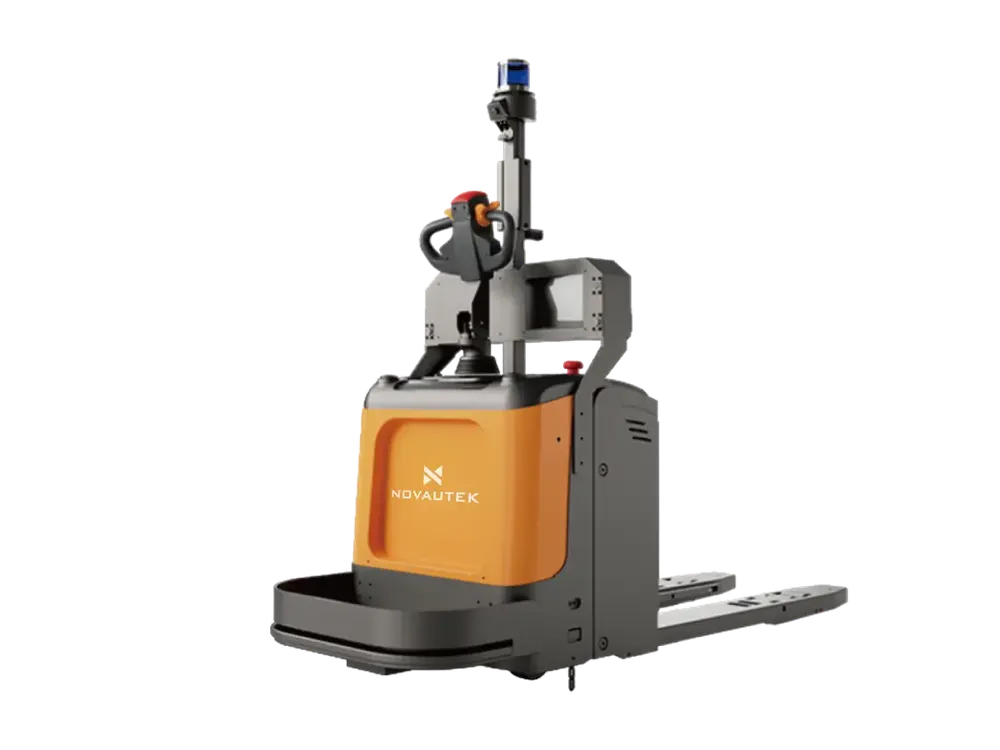
Accountability mechanisms also need establishment. If a robot malfunction or a biased algorithm leads to harm, who is liable? Transparency in operations and clear lines of accountability are essential to build trust within communities. This includes specifying the responsibilities of tech companies, regulatory bodies, and municipal authorities.
Fostering Community Trust
Building trust among inhabitants is crucial for the successful integration of autonomous robots in urban life. Engaging community members through forums can empower citizens and offer them a voice in how these technologies are deployed in their neighborhoods. Initiatives like community workshops or demonstrations can help demystify robots, addressing fears or misconceptions and cultivating a cooperative spirit.
Overall, as a variety of cities in the United States explore robotics, navigating the ethical landscape is critical. The conversations we have today will not merely influence our experience of technology but will also define our urban futures. The need to blend innovation with ethical considerations is paramount, as it lays the foundation for a society that benefits all, rather than a select few.
DIVE DEEPER: Click here for a deeper understanding
Navigating the Complex Ethical Terrain
The rise of autonomous robots in urban environments ushers in a new era of technological advancement, but it also invites a spectrum of ethical challenges that require urgent attention. As cities across the United States contemplate integrating these machines into daily life, they must address not only the operational efficiencies these robots promise but also the socio-ethical implications that accompany their use. Consider the implications of widespread automation on employment opportunities; decisions made today will directly impact the workforce dynamics of tomorrow.
The Impact on Employment
One of the most pressing issues is the potential displacement of jobs. Autonomous systems can perform certain tasks faster and more efficiently than humans, which could lead to substantial job losses in sectors such as delivery services, transportation, and manufacturing. According to a study by the McKinsey Global Institute, it is estimated that up to 14 million jobs in the U.S. could be displaced by automation by 2030. The trickle-down effects of this could be profound, leading not only to economic hardship for those affected but also heightened social inequalities as communities grapple with job scarcity.
Influencing Urban Economies
Moreover, the introduction of autonomous robots into urban landscapes may exacerbate existing economic divides. Specifically, the deployment of these technologies often occurs in affluent neighborhoods while underserved communities linger without access to enhanced services. Factors that contribute to such disparities include:
- Infrastructure readiness: Wealthier areas may already have the necessary infrastructure in place that supports the deployment of smart technologies, whereas lower-income regions might lack such advancements.
- Investment focus: Tech companies may prioritize profits, directing their resources and innovations toward areas with more affluent consumer bases, leaving poorer communities at a disadvantage.
- Policy decisions: Urban policies may inadvertently favor well-resourced neighborhoods, creating a cycle of technological exclusion.
Clearly, equitable access to autonomous services must be at the forefront of policymakers’ minds to mitigate these issues. As city officials and tech developers collaborate on integrating autonomous robots into urban settings, it is essential that initiatives prioritize inclusivity over exclusivity.
Ensuring Transparency
Another ethical concern involves transparency in algorithmic decision-making. Autonomous robots rely on complex algorithms to make real-time decisions, but the opacity surrounding these processes can lead to distrust. For instance, if a self-driving vehicle makes an erroneous judgment call, the absence of available information about how that decision was reached can make accountability murky. This complicates the relationship between technology and the communities it serves, emphasizing the need for mechanisms that ensure clarity in operational functions.
Ultimately, as cities look towards integrating autonomous robots, engaging diverse voices and perspectives in discussions surrounding these technologies will be crucial. By paving the way for robust conversation and incorporating ethical considerations, we can begin to harness the full potential of robotics while fostering a sense of communal responsibility and trust.
| Ethical Consideration | Implications |
|---|---|
| Accountability | Who is responsible for the actions of an autonomous robot in case of an accident or error? This remains a significant dilemma. |
| Privacy | Autonomous robots often collect data about their environment. This raises concerns regarding the invasion of personal privacy. |
| Bias | If algorithms are not designed carefully, robots may perpetuate existing societal biases, leading to ethical injustices. |
| Impact on Employment | The introduction of autonomous robots poses threats to job security, as machines may replace human positions. |
Urban environments pose unique challenges concerning the implementation of autonomous robots, with ethical implications deeply intertwined in technology. The question of accountability leads to complex considerations in governance and law enforcement. As robots navigate city streets, understanding who holds the responsibility for their actions becomes essential in protecting the public’s welfare.Moreover, the privacy issue cannot be ignored. Continuous data collection raises alarms about the potential for misuse and surveillance, prompting discussions about data ethics and user consent. As autonomous systems become integral to urban life, addressing these concerns can foster public trust.Bias in algorithm development adds another layer of complexity. If engineers do not address inherent biases in their design, robots may reinforce societal inequalities, creating a feedback loop of discrimination.Additionally, the transition to robotics raises pressing concerns about the impact on employment. As robots become more prevalent, many face potential job displacement, igniting dialogues on training and economic adaptation, while emphasizing the need for responsible integration strategies.
DIVE DEEPER: Click here to learn more about the evolution of convolutional neural networks</
Addressing Privacy and Surveillance Concerns
As we delve deeper into the ethical implications of autonomous robots in urban settings, another significant challenge emerges—privacy and surveillance. Many of these robots will be equipped with advanced sensors and cameras to navigate and perform tasks efficiently. While this capability enhances operational effectiveness, it simultaneously raises concerns about the constant monitoring of individuals as they go about their daily lives. The data collected can inadvertently lead to a culture of surveillance, where citizens feel they are being watched at all times.
The Surveillance Dilemma
The potential for abuse of surveillance data cannot be overlooked. For instance, autonomous delivery drones equipped with cameras could capture images of private properties or individuals without consent, giving rise to situations where personal space is invaded or sensitive information is breached. This intrusion has already sparked debates regarding the balance between security and individual rights, particularly in a country where people value their privacy. Furthermore, the question arises: how will the data gathered be used, who will have access to it, and how long will it be stored? The absence of definitive answers could lead to mistrust among residents towards the integration of autonomous systems.
Algorithmic Bias and Discrimination
An equally pressing ethical concern is algorithmic bias. Autonomous robots operate on data-driven algorithms, which, if built on biased data sets, may perpetuate or even exacerbate existing inequalities. For instance, facial recognition technology, used indiscriminately, has been shown to misidentify individuals from marginalized ethnic communities more frequently than others. In urban environments, these biases could lead to unfair treatment and misrepresentation of certain groups, particularly in law enforcement applications of autonomous robots. The implication is a society where the very systems designed to aid us may systematically disadvantage certain populations.
Accountability and Responsibility
The question of accountability looms large over the deployment of autonomous robots. When an autonomous vehicle is involved in an accident, the question arises: who is liable? Is it the manufacturer, the software developer, or urban planners? This lack of clarity can inhibit trust and hinder acceptance of autonomous technologies. A first-of-its-kind initiative in California known as the Autonomous Vehicle Testing Program seeks to tackle this issue by mandating companies to carry insurance that covers potential damages, but the legal framework is still evolving. Communities across the United States must grapple with these questions while crafting regulations that clearly define responsibility in scenarios involving autonomous robots.
Community Engagement and Ethical Review
To navigate the tricky waters of these ethical challenges, community engagement is pivotal. Urban residents should have a voice in discussions about the integration of autonomous robots in their neighborhoods. Public forums and workshops can help bridge the gap between technological aspirations and community needs. Additionally, establishing an ethical review board composed of ethicists, technologists, and community stakeholders can ensure that the deployment of autonomous systems aligns with societal values and norms. Engaging diverse perspectives will not only foster trust but also serve the broader objective of creating urban environments that are not just technologically advanced, but also equitable and humane.
DIVE DEEPER: Click here to learn more
Conclusion: Navigating the Ethical Landscape
As urban centers increasingly embrace autonomous robots, the surrounding ethical challenges demand our immediate attention. From issues of privacy and surveillance to the insidious threats of algorithmic bias and the uncertainty surrounding accountability, these technologies can reshape urban life in both beneficial and detrimental ways. To harness the potential of autonomous systems while mitigating their risks, it is imperative that urban planners, policymakers, and community members engage in meaningful dialogues that reflect the values and concerns of all stakeholders.
Implementing robust frameworks that safeguard individual rights is essential for fostering public trust. Residents must feel assured that their privacy will not be compromised and that any data collected will be treated ethically. Similarly, transparency in algorithms can help combat bias and ensure equitable treatment across diverse populations. As we contemplate the future of cities, we must prioritize a community-centric approach to ensure that technology serves to enhance human life rather than diminish it.
Ultimately, the success of integrating autonomous robots in urban environments hinges on our ability to address these ethical challenges head-on. By focusing on community engagement, cultivating an atmosphere of trust, and committing to ethical oversight, we can transform potential threats into opportunities for innovation that benefit everyone. The road forward will require collective action and thoughtful consideration, but the promise of a more efficient, equitable, and harmonious urban life is well worth the effort.