
Family Cooking: Fun Recipes to Cook with Kids
Creating Memories in the Kitchen
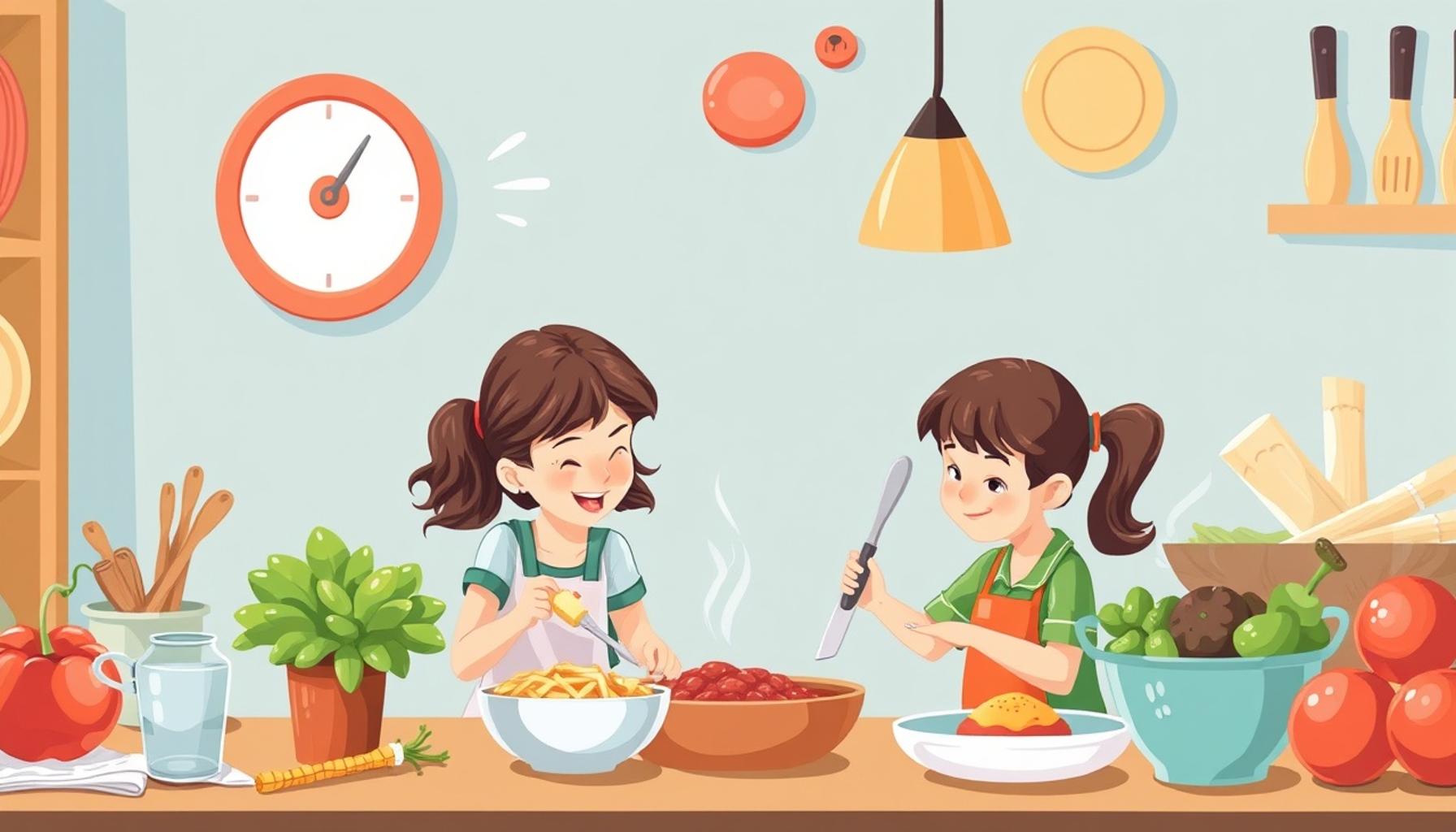
Cooking with kids is more than just preparing meals; it’s a fantastic opportunity to bond and create lasting memories. Engaging children in the kitchen allows them to learn valuable life skills while having a blast. Plus, there’s something incredibly rewarding about enjoying a meal that everyone contributed to. The kitchen can become a space for laughter, creativity, and learning, transforming mundane tasks into special moments that families cherish for years to come.
Why Cook with Kids?
When it comes to family cooking, the benefits are abundant. Here are just a few reasons to get your kids involved:
- Builds Confidence: Kids gain a sense of accomplishment as they help prepare meals. Whether it’s stirring a pot or proudly presenting their finished dish, these small victories boost their self-esteem. For instance, a child might feel a thrill of pride when they master making scrambled eggs independently, instilling a love for culinary exploration.
- Encourages Healthy Eating: Cooking together can introduce children to fresh ingredients and diverse foods. By allowing them to select vegetables at the grocery store or farmers’ market, children can develop a sense of ownership over their food choices. A colorful salad, for instance, becomes an enticing option filled with vivid colors and textures that they were involved in creating.
- Enhances Learning: Measuring, mixing, and following recipes enhance math and reading skills. Through these fun exercises, children learn fractions when measuring ingredients or expand their vocabulary by reading recipe instructions. For example, converting cups to tablespoons reinforces mathematical concepts while giving them practical skills they can use throughout their lives.
Fun and Easy Recipes to Try
If you’re wondering where to start, there are countless fun recipes to cook with kids. Here are some ideas to spark creativity:
- Homemade Pizzas: Allow kids to personalize their toppings. With a store-bought or homemade dough, children can roll out the base and choose their favorite toppings—from cheese and pepperoni to pineapples and spinach. This not only makes for a delicious meal but also encourages creativity as they design their culinary masterpiece.
- Colorful Fruit Skewers: A delightful way to incorporate fruits. Kids can practice their hand-eye coordination by threading pieces of fruit onto skewers. Using a mix of strawberries, bananas, and grapes makes it a rainbow of flavors and colors, enticing even the pickiest of eaters to try something new.
- Mini Pancake Stacks: Let kids assemble and decorate their pancakes. Cooking pancakes can be a fun group activity, where kids take turns flipping and stacking. By providing a range of toppings, such as berries, whipped cream, and syrup, they can create uniquely customized stacks, turning breakfast into a festive affair.
As you embark on your culinary adventures, remember, the focus should be on enjoying the process. Each meal is a new opportunity for discovery and fun! The laughter shared, the lessons learned, and the flavors created together in the kitchen become cherished memories that families will hold dear for years to come. So, whisk, chop, and stir away, because every moment spent cooking together is a moment worth savoring.
DISCOVER MORE: Click here to learn about art’s role in sustainability
Transforming Family Time through Cooking
Cooking with kids can be an adventure filled with flavor, creativity, and a sprinkling of chaos. The kitchen becomes an extension of your family’s heart, a place where love is mixed with ingredients, memories are baked into every dish, and laughter fills the air. Beyond just the act of cooking, involving children in meal preparation fosters an environment of collaboration and teamwork, promoting important family values while making delicious food.
The Learning Experience
When kids join in the cooking process, they are not only engaging in a fun activity but also learning essential skills. Here are some key advantages of letting little hands help in the kitchen:
- Develops Life Skills: Cooking teaches children valuable skills that extend beyond the kitchen. From following a recipe to understanding nutrition, these experiences equip kids to make informed choices as they grow. Preparing snacks and meals fosters independence, as children learn to take responsibility for their food needs.
- Promotes Communication: Cooking together encourages family conversations and storytelling. As kids whisk together ingredients, they can share thoughts about their day, express creativity, or even share traditions that connect them to their cultural heritage through food.
- Builds Patience and Resilience: The kitchen is a perfect setting for kids to learn patience and the importance of perseverance. They may experience minor setbacks, such as spills or a burned dish, which present opportunities for problem-solving and growth—vital skills for life.
Crafting Recipes That Inspire
Ready to dive into hands-on fun? Here are some engaging recipes that you can cook together with your little chefs:
- DIY Tacos: Set up a taco bar with an array of fillings such as seasoned ground turkey, beans, cheese, lettuce, and salsa. Children can pile their favorite ingredients onto crispy shells, taking ownership of their culinary creations. This interactive meal encourages creativity and caters to diverse tastes, making it perfect for family dinners.
- Vegetable Faces: Encourage healthy eating in a playful way! Provide a platter of assorted vegetables—carrots, cucumbers, bell peppers, and cherry tomatoes—along with hummus or dip. Kids can create funny faces on their plates with the veggies, making healthy snacks visually appealing and fun to eat.
- Frozen Yogurt Bark: A simple and scrumptious treat perfect for warm days. Spread Greek yogurt on a baking sheet and let kids sprinkle it with their choice of toppings like fruits, nuts, and granola. Freeze it until firm, then break it into pieces. This recipe is an easy way to teach kids about portion control and healthy dessert options.
By selecting recipes that pique interest and encourage participation, you’ll foster a sense of accomplishment and ownership among your children. Remember, the joy of cooking together lies not only in the end result but in the journey itself. Each step taken together in creating a meal is a celebration of family and togetherness, nurturing bonds that will endure beyond the kitchen.
| Advantage | Description |
|---|---|
| Bonding Time | Cooking together enhances family relationships by creating shared experiences. |
| Learning Nutritional Skills | Kids learn about healthy eating and develop cooking skills that last a lifetime. |
| Creativity | Family cooking allows kids to express their imagination through fun food combinations. |
| Promotes Teamwork | Cooking as a family teaches cooperation and coordination among family members. |
Exploring recipes that cater to children not only fuels their interest but also enhances essential life skills. For example, as kids measure out ingredients or follow a recipe’s steps, they engage in math and reading practices. Furthermore, the act of cooking allows for experimentation with flavors and textures, fostering a sense of curiosity that can lead to a lifelong appreciation for culinary arts. Additionally, families can take this opportunity to discuss the origin of certain foods, thus integrating culture and history into their cooking sessions. This holistic approach sparks discussions beyond the kitchen, enriching family dialogues and interactions. The excitement of creating something delicious together can serve as a wonderful foundation for positive family memories!
DISCOVER MORE: Click here to uncover the evolution of culinary techniques
Engaging Kids with Creative Culinary Activities
Cooking is more than a means to satisfy hunger; it’s a multi-sensory experience that can captivate children’s imaginations and enhance their senses. By introducing fun activities and creative tasks in the kitchen, you not only ignite their passion for food but also create lasting memories. Here are some innovative ways to engage with your little chefs:
Theme Nights: Exploring World Cuisines
Why not turn ordinary dinners into extraordinary cultural experiences? Theme nights can transport your family to different parts of the world while teaching kids about diverse culinary traditions. Plan an Italian night with homemade pizza, allowing children to knead the dough and choose their toppings. Or explore Japan with sushi rolls, where they can learn the art of rolling ingredients with rice and seaweed. Such hands-on activities not only make cooking fun but also encourage a greater appreciation for global cultures and cuisines.
Sensory Exploration
The kitchen is the perfect place to stimulate children’s senses of taste, smell, sight, and touch. Introduce a “mystery ingredient” challenge, where kids select one ingredient (like avocados, pineapple, or spinach) and incorporate it into a dish. This not only encourages adventurous eating but is also an exciting opportunity to explore the ingredient’s properties and health benefits. For example, discussing the importance of fiber in avocados while making guacamole adds an educational twist to the culinary journey.
Cooking Competitions: Friendly Family Rivalries
Spice up your family cooking sessions by hosting cooking competitions. Break the family into teams and challenge each other to prepare dishes using a set list of ingredients. For instance, you could challenge teams to make the best sandwiches or extravagant dessert sundaes. With the pressures of time and creativity, children will learn to work collaboratively while also enjoying the element of friendly competition. Tasting and voting on the creations can turn it into a celebratory event, sparking conversations about flavors and textures.
Edible Crafts and Seasonal Activities
Integrating art with cooking can lead to thrilling outcomes. In the fall, create “candy corn” fruit cups with orange slices, pineapple, and whipped cream topped with candy corn. In winter, decorate gingerbread houses together using icing and assorted candies. These activities allow children to transform food into creative expressions while teaching them about festive traditions. The skills learned while crafting in the kitchen can inspire creativity that extends beyond mealtime.
The Importance of Safety and Responsibility
While enjoying cooking with kids, it’s essential to include lessons in safety and responsibility. Educate your children about kitchen safety, such as the proper use of knives, the importance of washing hands, and understanding stove safety. Assign age-appropriate tasks, allowing them to feel capable and responsible. Younger children can wash veggies or mix ingredients, while older kids can help with chopping or baking. Organizing a designated “kitchen safety check” before starting can further reinforce these concepts. This teaches kids to respect the kitchen environment while developing skills they will carry into adulthood.
By engaging children with creative cooking activities that emphasize exploration, culture, competition, and safety, you can cultivate a love for food and family cooking. Children will not only gain new skills but also enjoy the satisfaction of creating something delicious from scratch, creating a sense of pride that transcends their kitchen experience.
DISCOVER MORE: Click here to learn about the soothing power of music
Encouraging Family Togetherness Through Cooking
In conclusion, family cooking is not just about preparing meals; it’s a valuable opportunity to bond with your children and create unforgettable experiences. As we’ve explored, engaging kids in the kitchen through creative recipes and culinary activities fosters their love for food and teaches essential life skills. From navigating world cuisines during theme nights to experimenting with sensory ingredients, you’re equipping children with a sense of exploration and adventure.
Moreover, the incorporation of friendly cooking competitions promotes teamwork while preparing delicious dishes and enables healthy communication among family members. By introducing edible crafts during special occasions, you not only celebrate seasons but also encourage artistic expression through food. Most importantly, prioritizing kitchen safety and responsibility ensures that children can confidently navigate culinary tasks, preparing them for future independence.
As families across the United States reconnect over meal prep, consider the impact that these shared moments in the kitchen can have on children’s development, self-esteem, and cultural understanding. Whether baking cookies for the holidays or creating a weeknight dinner together, the skills and lessons learned in the kitchen can extend far beyond the table. So gather your little chefs, don your aprons, and embark on a delicious journey towards culinary creativity that enriches your family life and tantalizes your taste buds.
Related posts:
The Evolution of Culinary Techniques: From Tradition to Innovation
International Cuisine at Home: Learning to Cook Traditional Dishes from Different Cultures
Exploring Flavors of the World: The Influence of Global Cuisine on Home Recipes
Culinary as Therapy: The Power of Cooking for Mental Well-Being
Seasonal Kitchen: Creating Themed Menus for Every Time of Year
Fermentation and Preserves: The Art of Preserving Flavor and Tradition in the Kitchen

Beatriz Johnson is a seasoned creative enthusiast and writer with a passion for simplifying the intricacies of artistic hobbies and DIY projects. With over a decade of experience exploring various creative fields, she specializes in topics like crafting, painting, and innovative DIY techniques. Through her work, Beatriz inspires readers to unleash their creativity, try new artistic endeavors, and stay inspired in the ever-evolving world of creative hobbies.