How to Create a Sustainable Beauty Routine with Natural Ingredients

Embracing Natural Beauty
As consumers become increasingly aware of the environmental impact of their choices, a shift toward sustainable beauty routines is gaining momentum. Many people are now seeking alternatives to conventional products, recognizing that nature offers valuable solutions for skincare and cosmetics. But how do you start this journey?
Developing a sustainable beauty routine involves several key components:
- Ingredient Awareness: Prioritize products that are made from natural ingredients and free from harmful chemicals. Ingredients such as aloe vera, shea butter, and essential oils not only nourish the skin but also come from sustainable sources. Understanding the labels on beauty products can be enlightening; for instance, look for terms like “certified organic” or “100% natural” which can indicate a lower impact on the environment and human health.
- Eco-Friendly Packaging: Choose brands that utilize sustainable packaging materials to reduce waste. Refillable containers, recycled cardboard, and biodegradable options are becoming more prevalent as brands harness eco-conscious innovation. For those committed to reducing plastic use, consider brands like Ethique and Meow Meow Tweet, which focus on zero-waste products and have gained popularity for their effective formulations.
- DIY Solutions: Explore creating your own beauty products using kitchen staples like honey, coconut oil, and essential oils. These ingredients are not only eco-friendly but also cost-effective. For example, a simple face mask can be made by mixing honey with oatmeal and lemon juice. This approach not only allows you to avoid the unnecessary chemicals often found in commercial products but also ensures transparency about what you’re putting on your skin.
Each of these elements contributes to a more environmentally friendly lifestyle. Studies have shown that personal care products often contain synthetic ingredients that can have negative effects on our health and the planet. For instance, paraben preservatives have been linked to hormone disruption, prompting many consumers to opt for paraben-free products. In doing so, they not only protect their own health but also support companies dedicated to safe and sustainable practices.
In this article, we will delve deeper into how you can curate your own sustainable beauty routine with natural ingredients. From understanding labels to embracing ethical brands, you will discover practical tips and insights to elevate your beauty regimen while being kind to the Earth. Additionally, we will explore how integrating these practices can lead to not just personal benefit, but also a significant positive impact on global environmental efforts.
By making informed choices, you are part of a larger movement towards sustainability in beauty—one that prioritizes the well-being of individuals and the planet alike. With your commitment to this journey, you can help inspire others to embrace natural beauty and redefine what it means to be responsible consumers in today’s world.
Understanding Natural Ingredients
To create a sustainable beauty routine, it’s essential to have a firm grasp of natural ingredients and their benefits. Many people may find themselves overwhelmed by the plethora of options available on the market, but understanding the key components can simplify the process. Natural ingredients are derived from plants, minerals, and other organic sources, making them not only better for your skin but also less harmful to the environment. For example, coconut oil and jojoba oil are popular choices for moisturization, acting as humectants that keep the skin hydrated while being biodegradable and renewable.
One of the cornerstones of a sustainable beauty routine is to support companies that prioritize ethical sourcing. Look for brands that emphasize transparency about where their ingredients are sourced and how they are processed. For instance, brands that use sustainably harvested ingredients often contribute to local economies and promote ecological balance. This is where certifications come into play. Seek products labeled with Fair Trade, non-GMO, or cruelty-free certifications, as they indicate a commitment to ethical practices.
Building Your Natural Ingredient Arsenal
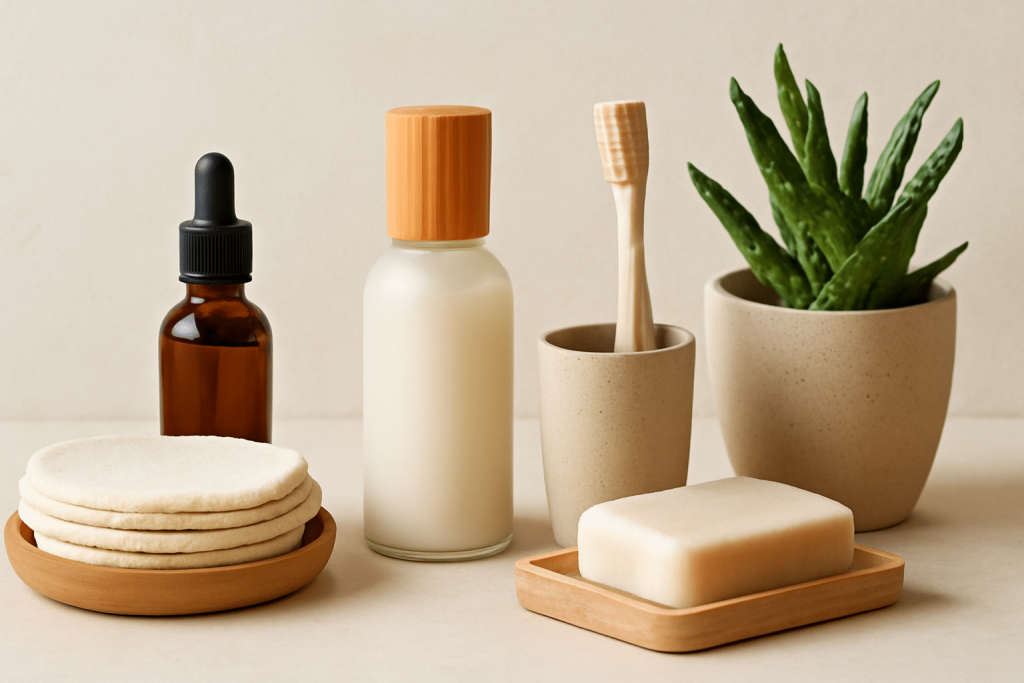
An excellent way to kick off your sustainable beauty routine is to build your own collection of natural ingredients at home. The following list highlights some versatile staples that can easily be incorporated into your beauty regimen:
- Aloe Vera: Known for its soothing properties, aloe vera gel can be used as a moisturizer or after-sun treatment.
- Shea Butter: Rich in vitamins and fatty acids, shea butter is a fantastic natural moisturizer that can be applied to dry skin or used as a base for homemade creams.
- Essential Oils: Oils like lavender, tea tree, and eucalyptus can serve multiple purposes, from aromatherapy to natural acne treatments.
- Honey: With its natural antibacterial properties, honey is perfect for DIY masks and treatments. It can also be used to hydrate and soothe irritated skin.
- Coconut Oil: A versatile ingredient that can be used for everything from hair conditioning to makeup removal.
Incorporating these natural ingredients into your beauty routine not only fosters a sense of personal empowerment but also reduces your reliance on synthetic options laden with potentially harmful chemicals. Utilizing products such as castile soap as a base for cleansers or body washes can further minimize your environmental footprint while ensuring you’re using safe and effective formulations.
The journey to a sustainable beauty routine with natural ingredients is both a personal and collective effort. By educating yourself and making conscious choices, you not only invest in your skin’s health but also champion a movement towards sustainability in the beauty industry. This transition may seem daunting, but by taking small, meaningful steps today, you lay the groundwork for a more sustainable and healthier tomorrow.
Understanding Natural Ingredients
When embarking on a journey towards a sustainable beauty routine, it is essential to understand the natural ingredients that not only nourish the skin but also have minimal impact on the environment. Natural ingredients come from plants, minerals, and essential oils, offering beneficial properties without the harsh chemicals present in many commercial beauty products. Consider incorporating items like aloe vera, known for its soothing properties, or coconut oil, revered for its moisturizing capabilities. These ingredients are often sourced sustainably, contributing to a less harmful ecological footprint.
DIY Beauty Recipes
Creating your own beauty products can be a fulfilling way to engage with your sustainable beauty routine. With just a few natural ingredients, you can whip up face masks, scrubs, and moisturizers at home. For instance, a simple blend of honey and oatmeal can create an exfoliating scrub, while a mixture of olive oil and sugar serves as a gentle body scrub. Not only does this practice reduce packaging waste, but it also grants you full control over the ingredients used on your skin. Experimenting with various combinations can lead to discovering unique recipes tailored to your skin’s needs.
Eco-Friendly Packaging
As you adopt a more sustainable beauty routine, consider the impact of packaging on the environment. Opt for products that come in biodegradable or glass containers rather than plastic. Additionally, many brands are now offering refillable options, which can significantly reduce waste. Supporting companies that prioritize sustainability in their packaging not only helps the planet but also sends a strong message about the importance of eco-conscious choices in beauty.
Benefits of a Sustainable Routine
The advantages of transitioning to a sustainable beauty routine extend beyond personal health; they also encompass environmental well-being. By choosing natural ingredients, you minimize the risk of skin reactions and allergies often caused by synthetic substances. Furthermore, adopting such practices encourages a shift in consumer demand toward sustainable production methods, fostering a healthier planet. As the beauty industry evolves, embracing natural and eco-friendly products stands to benefit both your skin and the environment.
| Category | Benefits |
|---|---|
| Natural Ingredients | Gentle on Skin |
| DIY Products | Customized to Skin Needs |
| Eco-Friendly Packaging | Reduces Environmental Impact |
Embracing these elements in your beauty regimen can not only enhance your skincare routine but also contribute to a healthier planet. Take the leap into sustainable beauty and explore the wealth of natural possibilities waiting to be discovered!
DIY Natural Beauty Recipes
Creating a sustainable beauty routine with natural ingredients not only promotes healthier skin but also sparks creativity and self-sufficiency. By diving into the world of DIY natural beauty recipes, you can personalize your regimen while reducing your carbon footprint. Let’s explore some simple formulations you can whip up at home, using the natural ingredients mentioned earlier.
Gentle Facial Cleanser
A homemade facial cleanser is a great starting point for anyone looking to ditch harsh chemicals. Combine castile soap with a few drops of your favorite essential oil for a refreshing cleanser. Use about one teaspoon of castile soap mixed with two tablespoons of water, and add five drops of lavender or tea tree essential oil for added skincare benefits. This concoction will cleanse your skin without stripping it of its natural oils.
Hydrating Face Mask
Four ingredients can create an effective hydrating face mask that can improve texture and replenish moisture. Simply mix honey, aloe vera, and mashed avocado, then distribute evenly on your face. Leave it on for 15-20 minutes, then rinse with warm water. Honey provides moisture and antibacterial properties, while aloe vera soothes inflammation and avocado delivers essential fatty acids. This mask is especially beneficial during drier months when the skin craves extra care.
Revitalizing Hair Treatment
If you’re looking for a way to nourish and revitalize your hair, a natural hair treatment is key. Combine equal parts of coconut oil and jojoba oil, then warm slightly before application. Massage the mixture into your scalp and hair, focusing on the ends. This can be left on for several hours or overnight for an intensive treatment. Coconut oil penetrates the hair shaft, while jojoba oil helps regulate oil production, making this treatment perfect for all hair types.
Natural Sunscreen Alternatives
While DIY options may never completely replace conventional sunscreens, there are natural alternatives that provide some level of protection. A simple mixture of shea butter and zinc oxide can be made at home. Combine 1/4 cup of shea butter with 2 tablespoons of zinc oxide. This blend may offer a natural way to guard your skin from harmful rays. It’s important, however, to check for sufficient SPF levels, especially if you plan to spend extended time in the sun.
Eco-Friendly Packaging Solutions
As you embark on your sustainable beauty journey, don’t forget about the packaging. Consider using reusable containers for your DIY products. Glass jars or metal tins are great for reducing plastic waste, and many can be refilled or repurposed. You can even consider using old cosmetic containers; just ensure they’re thoroughly cleaned before repurposing. It’s a win-win as it complements your commitment to a sustainable beauty routine.
Engaging with DIY natural beauty recipes doesn’t just provide personal benefits—it’s also a step toward a collective movement that prioritizes sustainability. Each homemade product serves as a testament to your commitment to the environment while ensuring your skincare ritual is both healthy and individualized.
Conclusion: Embrace Your Sustainable Beauty Journey
In conclusion, as you embark on the path of creating a sustainable beauty routine with natural ingredients, you are not only enriching your own skin health but also contributing to a greater environmental cause. The movement towards sustainable beauty is not just about using eco-friendly products; it encompasses a holistic approach that includes an understanding of ingredient sourcing, waste reduction, and the impact of your purchases.
By utilizing simple DIY recipes, you can harness the power of nature to nourish and revitalize your skin and hair while minimizing harmful chemical exposure that conventional products often contain. Embracing ingredients like honey, coconut oil, and aloe vera not only promotes well-being but fosters a sense of creativity and self-empowerment.
Moreover, the choice of eco-friendly packaging and reusable containers demonstrates a commitment to reducing plastic waste. Every little action contributes to a larger goal of sustainability, making your beauty routine a reflection of your values. As the demand for transparent and ethical beauty products continues to grow, educating yourself on their benefits empowers you to make informed choices.
Ultimately, the journey to a sustainable beauty routine is about challenging the status quo and redefining what beauty means. As you explore and experiment with natural ingredients, you join a community dedicated to promoting health, wellness, and environmental stewardship. So, let your skin glow with the light of sustainability, and take pride in each careful choice you make.