
The Rise of Sentiment Analysis in Digital Marketing
In an age where digital communication dictates public perception, sentiment analysis stands out as a revolutionary method for understanding how consumers feel about brands, products, and services. The digital landscape brims with opinions expressed in real-time through social networks, creating a treasure trove of insights for companies eager to enhance their connection with their audience.
This innovative analytical tool leverages the capabilities of artificial intelligence to sift through extensive data collected from platforms such as Facebook, Twitter, and Instagram. By harnessing machine learning algorithms and natural language processing, sentiment analysis enables businesses to extract valuable insights from customer interactions and feedback. The ability to decode customer sentiment is transforming marketing strategies profoundly.
The Key Benefits of Sentiment Analysis
Many companies now utilize sentiment analysis to refine their strategies and improve customer relationships, reaping a plethora of benefits:
- Gauge public opinion on products and services: Businesses can monitor the mood surrounding their products by analyzing social media mentions and reviews. For example, the launch of a new smartphone model can be dissected for customer sentiment, allowing companies to modify marketing strategies accordingly.
- Enhance customer engagement through targeted messaging: By understanding the emotions tied to specific products or campaigns, companies can tailor their messaging to resonate more deeply with their audience, ensuring that marketing efforts strike the right chords.
- Identify trends and emerging consumer preferences: Sentiment analysis helps businesses spot evolving trends early on. For instance, if consumers are increasingly expressing enthusiasm about sustainable products, brands can shift their focus and innovate accordingly.
The significance of integrating sentiment analysis into a company’s digital marketing strategies cannot be overstated. As consumers engage with brands through various channels, understanding their emotional responses offers substantial competitive advantages. Utilizing AI tools can aid businesses in transforming raw social media chatter into strategic insights that guide product development and marketing efforts.
The momentum behind the sentiment analysis market is substantial, with predictions estimating it will reach a staggering $7.4 billion globally by 2026. This forecast underscores the growing reliance on data-driven decision-making in marketing, highlighting sentiment analysis as an integral part of a successful business strategy. In such a rapidly evolving marketplace, adopting sentiment analysis is not merely advantageous; it is becoming essential for brands looking to thrive amidst competition.
As sentiment analysis continues to evolve, companies that embrace these technologies will likely enjoy increased customer loyalty and engagement, positioning them favorably for future growth. Therefore, businesses are encouraged to delve deeper into sentiment analysis tools to unlock their full potential and seize new opportunities in the digital age.
DISCOVER MORE: Click here to learn about deep learning and autonomous vehicles
Understanding the Impact of Sentiment Analysis on Consumer Behavior
The expansion of sentiment analysis in digital marketing is driven by its unparalleled ability to influence consumer behavior. With over 4.7 billion social media users worldwide, the insights gleaned from their thoughts and opinions can help companies understand the nuances of public sentiment. This understanding can be the pivotal factor in shaping marketing strategies that resonate with their target audience.
At the heart of sentiment analysis is the application of advanced artificial intelligence techniques, which enable marketers to decode unstructured data like social media posts, reviews, and comments. By incorporating natural language processing (NLP) and machine learning, brands gain the capability to analyze vast amounts of text data, allowing them to identify specific sentiments such as positivity, negativity, or neutrality associated with their products and campaigns.
One of the most notable advantages of sentiment analysis lies in its potential for real-time feedback. Businesses can instantly gauge how an audience reacts to a new advertisement or product launch, providing them with actionable insights that can influence decision-making almost immediately. This agility not only fosters a dynamic marketing approach but also empowers brands to proactively address customer concerns before they escalate into larger issues.
Transforming Marketing Strategies with Sentiment Insights
Sentiment analysis does more than just measure consumer emotions; it actively transforms how brands engage with their audience through several key dimensions, including:
- Personalized Marketing: By understanding individual consumer preferences and emotions, companies can craft highly personalized marketing messages that resonate on a deeper level. For example, brands can target distinct segments with tailored content based on sentiment data that shows varying consumer opinions about their products.
- Crisis Management: Utilizing sentiment analysis allows companies to monitor negative sentiment surrounding their brands in real-time. This capability enables them to address potential PR crises before they spiral out of control, ensuring brand reputation remains intact.
- Product Development: Insights from sentiment analysis can influence product enhancements, helping brands understand which features consumers value most. If sentiment data highlights enthusiasm for a specific aspect of a product, brands can enhance these features to better meet consumer expectations.
As organizations increasingly embrace data-driven marketing strategies, the integration of sentiment analysis into their frameworks proves essential. Companies armed with insights derived from sentiment analysis can cultivate stronger customer relationships and establish emotional connections that ultimately drive brand loyalty.
While some businesses are just beginning to explore these powerful analytical tools, others are already seeing substantial results. According to a recent study, approximately 70% of marketers believe that sentiment analysis significantly enhances their ability to connect with customers. This growing appreciation highlights the increasing importance of sentiment analysis in shaping the future of digital marketing.
Understanding Sentiment Analysis
Sentiment Analysis, also known as opinion mining, leverages artificial intelligence (AI) technologies to interpret the tone and emotions behind social media posts. By utilizing algorithms that process natural language, AI can discern if a message is positive, negative, or neutral, which aids brands in understanding public sentiment towards their products or services.
Importance of Real-Time Insights
In a digitally-driven world, consumers’ opinions can shift rapidly. Sentiment analysis offers companies a chance to capture real-time insights into customer feelings, enabling them to adjust their marketing strategies proactively. Whether it’s a product launch or a crisis management scenario, businesses can respond quickly to public reactions, tailoring their communications for maximum impact.
Enhanced Customer Engagement
By accurately gauging sentiments on platforms like Twitter, Facebook, and Instagram, brands can foster enhanced customer engagement. Understanding customer emotions helps companies to create targeted marketing campaigns that resonate with their audience, ultimately driving brand loyalty and increasing sales. For example, engaging with customers by responding to their feedback positively can transform a simple interaction into a long-lasting relationship.
Predictive Analytics and Market Trends
Sentiment analysis is crucial for enabling predictive analytics within digital marketing. By analyzing trends from past social media sentiments, businesses can forecast market demands and consumer behavior. This predictive capability allows brands to pre-emptively adjust their offerings and marketing messages in anticipation of changes, thus staying ahead of the competition.
Analyzing the Financial Impact
The financial implications of effective sentiment analysis in social networks are significant. Brands that employ AI-driven sentiment analysis gain a competitive edge in crafting campaigns that lead to higher ROI. Research indicates that companies harnessing these tools are quantitatively boosting their advertising effectiveness, ultimately translating sentiment data into substantial profit margins.
Future Prospects and Innovations
As technology evolves, the capabilities of sentiment analysis will expand. Innovations in AI, such as deep learning, are enhancing the accuracy of sentiment detection by allowing machines to understand context better. This means that sarcasm or idiomatic expressions, often challenging for traditional sentiment analysis, will likely become easier for advanced systems to interpret accurately.
| Advantages | Key Features |
|---|---|
| Improved Customer Insights | Real-time feedback shapes marketing strategies. |
| Crisis Management | Prompts swift action during negative public sentiment. |
| Predictive Capabilities | Anticipates consumer behavior and market trends. |
| Enhanced Engagement | Boosts brand loyalty through tailored communication. |
DISCOVER MORE: Click here to dive deeper
Leveraging Sentiment Analysis for Strategic Decision-Making
In the rapidly evolving landscape of digital marketing, the real-time nature of sentiment analysis offers brands an invaluable tool for strategic decision-making. As companies navigate consumer preferences and market trends, AI-driven tools not only interpret sentiment but also predict future consumer behaviors based on historical data. This predictive capability is transforming how brands approach their marketing efforts and adapt to an increasingly competitive space.
By utilizing sentiment analysis, marketers can discern the emotional undertones behind consumer interactions on social media. For instance, posts that convey enthusiasm towards a product may suggest heightened interest, while critical comments can indicate areas requiring immediate attention. Accordingly, brands can leverage such insights for targeted advertising, allowing them to reach consumers who exhibit strong emotional connections to their products, but may not have yet made a purchase.
The Role of Data Visualization in Enhancing Sentiment Analysis
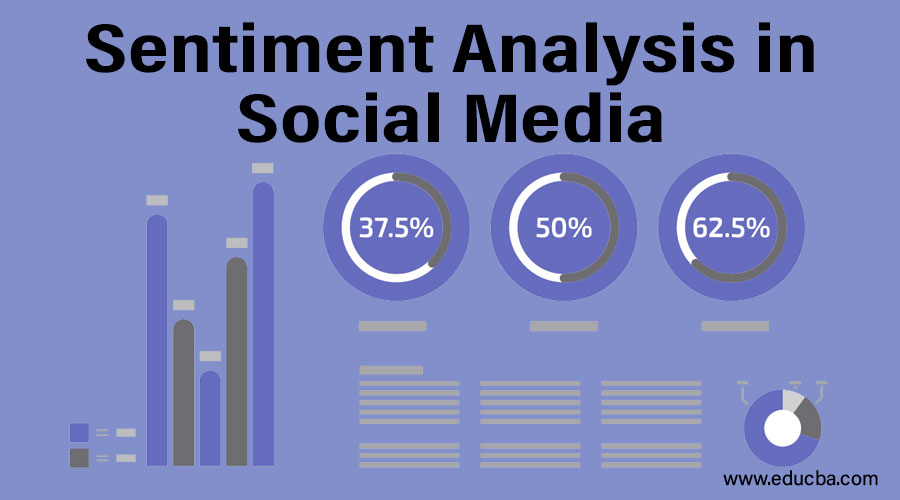
To derive actionable insights from sentiment analysis, data visualization plays a crucial role. Marketers are now employing sophisticated tools that convert complex datasets into visually comprehensible formats. Graphs, infographics, and dashboards provide an at-a-glance overview of consumer sentiment trends and patterns, enabling businesses to quickly identify key areas of concern or opportunity.
For example, a well-known beverage company utilized sentiment analysis to assess reactions to their new flavor launch. By visualizing sentiment trends across various demographics, they were able to isolate which age groups were more receptive, allowing them to tailor their campaigns accordingly. Such visual insights significantly enhance both internal and external communication, ensuring that all stakeholders are aligned with current consumer sentiments.
From Sentiment Analysis to Social Listening
Furthermore, sentiment analysis is increasingly intertwining with the practice of social listening. This broader approach allows brands to monitor not just their own content but also the conversations occurring around their industry and competitors. By keeping ear to the ground through social listening, companies can gain foresight into emerging trends and potential shifts in consumer sentiment.
For instance, during the pandemic, numerous fashion retailers capitalized on social listening data to pivot their marketing campaigns towards comfort and casual wear. By understanding the evolving sentiments associated with lifestyle changes, they not only adapted their product offerings but also saw a significant uptick in sales. This level of responsiveness highlights the incremental value of sentiment analysis combined with an active social listening strategy.
Challenges and Ethical Considerations
While the benefits of sentiment analysis and social listening are evident, they are not without challenges. Issues related to data privacy and ethical considerations are increasingly important in the age of AI. Consumers are becoming more aware of how their data is being used and are calling for transparency in data collection practices. Brands must navigate this landscape carefully, ensuring that they respect consumer privacy while still reaping the benefits of sentiment insights.
As AI technology evolves, the landscape of sentiment analysis continues to shift. Companies that embrace these innovative tools are better positioned to engage with consumers authentically and meaningfully. The future of digital marketing, thus, lies at the intersection of artificial intelligence, sentiment analysis, and the ethical management of consumer data, shaping not only how brands sell but also how they relate to their audiences.
DISCOVER MORE: Click here to delve deeper
Conclusion: The Future of Marketing in a Sentiment-Driven World
In summary, sentiment analysis has emerged as a game-changer in the realm of digital marketing, allowing brands to decode consumer emotions and trends with unprecedented precision. By leveraging artificial intelligence tools, marketers can not only respond in real-time to customer feedback but also anticipate their needs, creating personalized experiences that resonate deeply with their audiences. The integration of sophisticated data visualization techniques further enhances the ability to comprehend complex sentiment trends, enabling strategic decision-making that is both informed and adaptable.
Moreover, the synergy between sentiment analysis and social listening empowers brands to stay ahead of the curve, transforming consumer insights into actionable marketing strategies. As evidenced during pivotal moments like the pandemic, the agility provided by real-time sentiment insights can significantly impact sales and brand loyalty. However, as businesses tap into the wealth of data available, they must tread carefully, respecting privacy concerns and ethical considerations that are increasingly pivotal in shaping consumer trust.
The trajectory of digital marketing is clear: it’s headed towards a future where understanding sentiment will be paramount. Companies that not only adopt these advanced analytical techniques but also prioritize ethical data use will undoubtedly foster stronger, more authentic relationships with their customers. As this sentiment-driven landscape continues to evolve, staying attuned to consumer voices will define successful marketing strategies in an era where connection and authenticity are key.