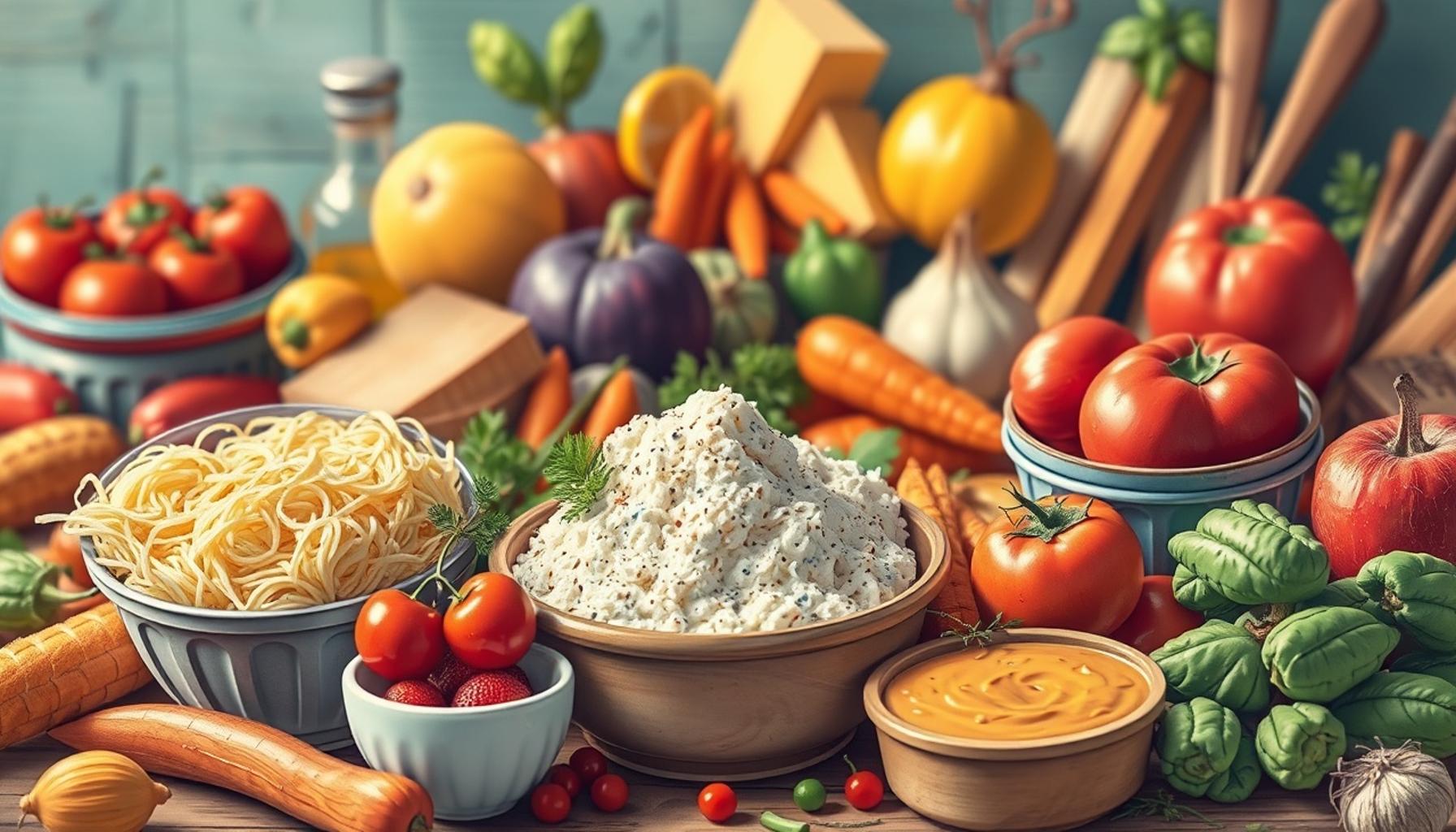
Sustainable Cuisine: How to Create Delicious Dishes with Local Ingredients
Exploring the Benefits of Sustainable Cuisine
As the culinary world evolves, many chefs and home cooks are embracing sustainability in their kitchens. Utilizing local ingredients not only enhances the flavor profiles of dishes but also aligns with a growing consciousness toward environmental stewardship. The shift towards sustainable cuisine is not merely a trend; it reflects a deeper understanding of food’s impact on our lives and the planet.
One of the most compelling benefits of incorporating local ingredients into your meals is their freshness. Produce sourced from nearby farms is typically picked at its peak ripeness, which means that it retains more flavor and nutrients. For instance, when you get tomatoes from a local farmer, you’re likely experiencing a flavor that supermarket varieties, which may have ripened during transport, simply cannot match. This enhances your meals and boosts your overall health.
Seasonal variety is another incredible advantage of adopting a sustainable approach. By cooking with ingredients that are in season, you open up a world of creativity in the kitchen. For example, during the fall months, dishes can showcase local squash and root vegetables, while the summer might highlight a bounty of fresh berries and greens. This not only keeps meals interesting but also makes it easier to incorporate essential nutrients throughout the year.
The impact on the community is equally significant. Supporting local farmers and artisans helps to strengthen regional economies. By purchasing from a nearby farmer’s market or a farm-to-table restaurant, you contribute to a system that values transparency and sustainability over mass production. This fosters connections between consumers and producers and encourages a sense of community around food.
As awareness of food sourcing continues to grow, many Americans are seeking experiences that connect them to their meals. The rise of farm-to-table restaurants speaks to this demand, showcasing the best of what local farms have to offer. Dining at these establishments often provides not just a meal, but a narrative about where the food comes from, enhancing the dining experience.
It’s also a common misconception that sustainable practices compromise flavor. On the contrary, many traditional recipes can easily be adapted to highlight local ingredients, resulting in delicious and memorable dishes. Picture a vibrant heirloom tomato salad drizzled with a house-made vinaigrette or a refreshing kale smoothie made with locally-sourced fruits—each bite brimming with vibrant freshness.
In this exploration of sustainable cuisine, we will delve into practical tips and tricks for creating delightful dishes using local ingredients. By understanding how to incorporate the bounty of local farms into your meals, you will discover that sustainability can truly become the heart of a delicious and fulfilling culinary journey. Join us as we venture into this exciting realm, where every meal can be a testament to environmental consciousness and culinary innovation.
DIVE DEEPER: Click here to discover the benefits of journaling
Unlocking Flavor with Local Ingredients
When it comes to creating delicious dishes in a sustainable manner, the first step lies in understanding the essence of local ingredients. These components are not merely substitutes for standard supermarket fare; they are vibrant reflections of the land, season, and the dedicated hands of the farmers who grow them. Each local ingredient carries a story, from its origin to the journey it takes to reach your plate.
For those starting their journey into sustainable cuisine, embracing local produce can feel overwhelming. However, simple guidelines can help streamline the process:
- Know Your Seasons: Familiarize yourself with what fruits, vegetables, and grains are grown in your area during each season. This knowledge helps you to plan meals that are both delicious and in line with what nature provides at that time.
- Visit Farmers’ Markets: Regular trips to your local farmers’ markets not only provide fresh ingredients but also foster connections with artisans and growers. These interactions can cultivate a greater appreciation for your food sources.
- Utilize Local Flavor Profiles: Each region boasts its own unique flavors derived from local herbs, spices, and varieties of produce. Learn to harness these flavors when crafting your dishes to enhance authenticity and taste.
- Engage with Community Supported Agriculture (CSA): By subscribing to a CSA, you can receive seasonal produce directly from local farms. This not only supports farmers but allows for an influx of fresh selections each week, encouraging culinary creativity.
Understanding the importance of sustainable practices also means acknowledging the impact they have on the environment. Choosing locally sourced ingredients significantly reduces carbon footprints since the transportation often required for imported goods is minimized. This environmentally friendly approach leads to less pollution and helps mitigate climate change.
In the United States, the “locavore” movement has gained momentum, driven by a community-centric approach to eating. This philosophy encourages consumers to prioritize foods grown within a defined radius of their homes, often fostering an appreciation for the distinct agricultural identities of various regions. For instance, summer in New England could be celebrated with sweet corn and heirloom tomatoes, while winter might spotlight hearty root vegetables and robust greens. Such a commitment to seasonal dining transforms the everyday dinner plate into a canvas of local artistry.
Moreover, with a plethora of resources available, from cooking blogs to social media accounts dedicated to local cuisine, it has never been easier to explore how to integrate local ingredients into meals. The recipe for a classic dish can be reimagined by substituting imported components with fresh, indigenous options. Imagine a cozy homemade pasta adorned with freshly foraged mushrooms and a drizzle of local olive oil—this not only elevates the dish but tells a broader story of place and culture.
By approaching cooking with an openness to local ingredients, you’re not just preparing meals; you’re participating in a movement that champions sustainability and celebrates the diverse agricultural bounty of your region. The landscape of sustainable cuisine continues to evolve, offering boundless opportunities for creativity and connection in our meals.
| Advantage | Details |
|---|---|
| Freshness | Utilizing local ingredients ensures the freshest produce, enhancing the flavor and nutritional value of your dishes. |
| Environmental Impact | Supporting local farmers reduces carbon footprint associated with long-distance food transport, promoting a more sustainable food system. |
Embracing sustainable cuisine not only leads to delightful dining experiences but also fosters a deeper connection with the local environment and community. When you choose to incorporate local ingredients, you inherently prioritize seasonality and freshness, which reflects in the taste and quality of your meals. Moreover, each dish crafted from these ingredients tells a story, connecting us to the land and its growers.Sustainable cuisine emphasizes the importance of biodiversity, showcasing a variety of vegetables, grains, and proteins that may be overlooked in traditional food systems. By sourcing ingredients locally, chefs and home cooks can experiment with unique flavors and textures, crafting dishes that resonate with the essence of their region.Furthermore, this movement has led to a rising awareness of food waste, encouraging innovative uses of by-products and less popular parts of ingredients. Techniques such as pickling, fermenting, and preserving local produce can extend their lifespan while creating exciting new flavors.To delve deeper into sustainable cuisine and discover recipes that are both delicious and easy to prepare, consider exploring local farmers’ markets, engaging with community-supported agriculture (CSA), and connecting with chefs championing this cause. The journey towards sustainability in cooking is an adventure worth taking.
DISCOVER MORE: Click here to dive deeper
Culinary Creativity: Techniques to Transform Local Ingredients
Once you have a solid understanding of local ingredients and how to source them, the next step in your journey toward creating sustainable cuisine is to explore cooking techniques that maximize flavor and celebrate the unique qualities of these elements. Crafting dishes that are both delightful and sustainable involves a blend of traditional cooking methods and innovative twists, tailored to showcase what the land has to offer.
One of the most effective strategies is to embrace preservation methods. Techniques such as pickling, fermenting, and canning not only extend the shelf life of seasonal produce but also introduce exciting flavors and textures into your culinary repertoire. Imagine savoring tangy pickled radishes alongside grilled meats or adding fermented hot sauce crafted from local peppers to elevate your dishes. These methods harness the natural bounty of local produce, transforming them into staples you can enjoy year-round.
Another key aspect of sustainable cooking lies in utilizing whole plants. Almost every part of a vegetable can be utilized in cooking, reducing waste and increasing flavors in your meals. For instance, the greens from beets or carrots can be sautéed into vibrant salads, while vegetable scraps can serve as the foundation for homemade stocks. This philosophy not only enhances the flavors of your dishes but also aligns with sustainable practices by significantly minimizing food waste.
Additionally, incorporating plant-forward meals into your cooking routine can not only introduce new flavor profiles but also emphasize the freshness of local ingredients. With a focus on vibrant grains, legumes, and seasonal vegetables, your dishes can be creatively assembled with robust flavors and textures. Think of a hearty quinoa bowl topped with roasted butternut squash, kale, and a dressing made from locally sourced honey and mustard—a perfect representation of the bounty available from your area.
The art of cooking techniques such as grilling, roasting, and smoking can further enhance the natural flavors inherent in local ingredients. These methods can impart rich umami notes that bring out the best in seasonal vegetables and proteins. For instance, grilling enhances the sweetness of corn on the cob, while roasting peppers brings out their natural smokiness, crafting a sensory experience that goes far beyond the initial taste. Likewise, experimenting with smoking local meats or vegetables can add another layer of complexity to your dishes, rendering them unforgettable.
Moreover, seasoning plays a critical role in transforming local ingredients into masterpieces. Savvy cooks can explore the use of local herbs and spices to elevate their meals. By incorporating robust flavors from things like wild garlic, rosemary, or native chili peppers, you can create unforgettable pairings that reflect the ecosystem of your region. A simple dish of fresh pasta can be elevated with a splash of herb-infused local olive oil and just-picked basil, showcasing the true essence of locality.
Finally, don’t forget the importance of presentation. A well-plated meal not only highlights the beauty of local ingredients but also entices the palate. Experimenting with different color combinations and textures can transform a humble plate of vegetables into a work of art that engages the senses. Utilize vibrant produce colors and unique combinations to captivate your guests while sharing stories about the ingredients sourced nearby.
With these techniques and an open mindset, the sustainable cuisine journey not only becomes an exploration of flavor but also an opportunity to build connections within your local food community. By celebrating local ingredients through innovative cooking methods and techniques, every dish tells a story—a narrative of sustainability, creativity, and a deep appreciation for the culinary traditions rooted in place.
EXPLORE MORE: Click here to discover how group projects can build lasting connections
Conclusion: Embracing Sustainable Cuisine for a Healthier Future
In embracing sustainable cuisine, we pave the way for an exciting culinary adventure that not only tantalizes our taste buds but also honors the environment. With an emphasis on utilizing local ingredients, we establish a connection to the land and its agricultural heritage, ultimately supporting local farmers and reducing our carbon footprint. Through innovative cooking techniques, such as fermentation, preservation, and the use of whole plants, we can create vibrant dishes that celebrate seasonal produce while minimizing waste.
The shift towards plant-forward meals encourages a diverse array of flavors while also promoting a healthier lifestyle. By exploring the unique flavor profiles offered by local herbs and spices, cooks can transform everyday meals into extraordinary experiences that capture the essence of their region. Moreover, thoughtful presentation and plating not only enhance the aesthetic appeal but also cultivate a deeper appreciation for the food we consume.
As more people become aware of the benefits of sustainable practices, the culinary landscape will evolve, leading to innovative partnerships within the community that prioritize health and sustainability. Each dish crafted from local resources embodies a commitment to environmental stewardship and a celebration of regional culture.
By choosing to embrace sustainable cuisine, we not only nourish our bodies but also contribute to a food system that values quality, locality, and sustainability. So, let’s embark on this delicious journey towards culinary creativity, making a conscious decision to create meals that reflect the true bounty of our surroundings and promote a thriving planet for generations to come.
Related posts:
The Science Behind Cooking: How Chemistry Transforms Flavors
Exploring Flavors of the World: The Influence of Global Cuisine on Home Recipes
Fermentation and Preserves: The Art of Preserving Flavor and Tradition in the Kitchen
Culinary and Creativity: How to Develop Original Recipes Using Unusual Ingredients
Culinary as Therapy: The Power of Cooking for Mental Well-Being
Seasonal Cooking: Creating Recipes that Celebrate the Month's Ingredients

Beatriz Johnson is a seasoned creative enthusiast and writer with a passion for simplifying the intricacies of artistic hobbies and DIY projects. With over a decade of experience exploring various creative fields, she specializes in topics like crafting, painting, and innovative DIY techniques. Through her work, Beatriz inspires readers to unleash their creativity, try new artistic endeavors, and stay inspired in the ever-evolving world of creative hobbies.