The Evolution of Music Performance Spaces: From Classical Venues to Modern Festivals
Historical Transformation of Music Performance Spaces
The landscape of music performance venues reflects the myriad changes in culture, technology, and artistic expression throughout history. From the grandeur of classical concert halls that set high standards for musical presentation, we witness an evolution that aligns itself with broader societal shifts. Each type of venue represents a unique chapter in the ongoing dialogue between the artist and the audience, encapsulating the spirit of its time.
Classical Venues
Grand concert halls, like New York’s storied Carnegie Hall, not only showcase musical talent but also have become symbols of cultural sophistication. Opened in 1891, Carnegie Hall has hosted countless legendary performances by icons such as Leonard Bernstein and Ella Fitzgerald. The structure itself, with its opulent architecture, reflects the importance placed on classical music in society. These venues often feature acoustically rich environments, designed to enhance the auditory experience for audiences, lending credence to a formal concert-going culture that values tradition.
Jazz Clubs
In stark contrast to the formality of concert halls, jazz clubs emerged in the early 20th century as intimate venues fostering spontaneity and collaboration. Jazz greats like Louis Armstrong and Miles Davis performed in small, smoke-filled rooms, where the proximity of the audience created a palpable energy. Clubs such as the Blue Note in New York City offer a unique atmosphere where musicians engage directly with their listeners, often taking requests and playing impromptu sets. This intimacy not only enhances the musical experience but also encourages a sense of community among diverse audience members.
Outdoor Festivals
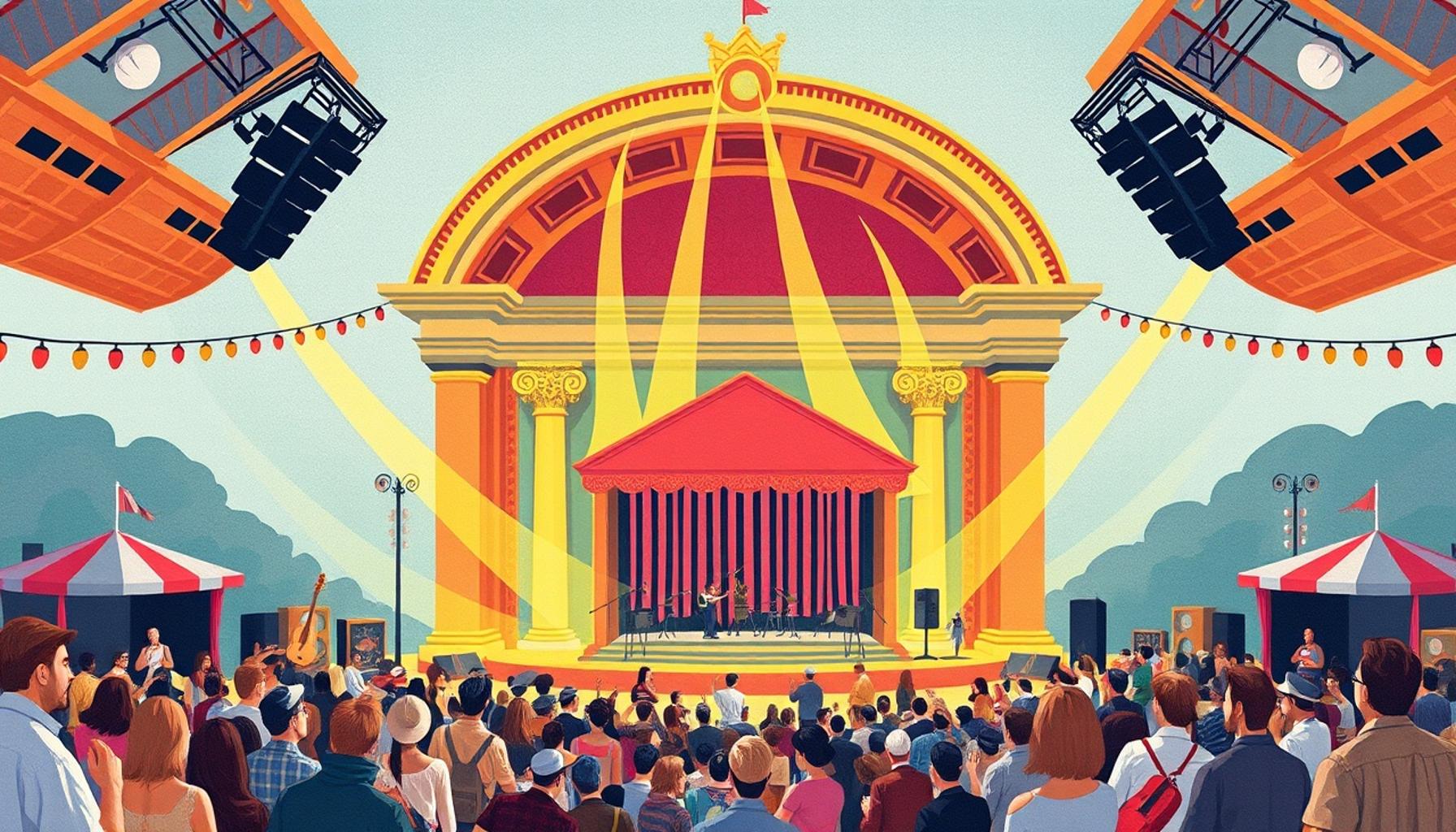
Moving into the realm of large-scale events, outdoor festivals like Coachella and Lollapalooza represent a contemporary shift in music performance. These festivals create vast communal spaces where more than just music is celebrated. They embody an ethos of diversity and inclusivity, featuring artists from various genres, cultures, and backgrounds. For example, Coachella’s lineup over the years has ranged from rock to hip-hop to electronic dance music, making it a microcosm of the evolving music scene. These events often incorporate art installations, food vendors, and immersive experiences, transforming them into cultural phenomena that extend beyond the music itself.
The evolution of music performance venues significantly impacts how we consume and appreciate music today. It reveals the intricate relationship between artistic expression and societal values, while also highlighting the changing dynamics of audience interaction. From the regal embrace of symphonic compositions in classical halls to the electric vibrancy found in festivals, we can see how each venue type celebrates and influences musical culture across generations.
Ultimately, exploring the history and transformation of these spaces enhances our appreciation for music as a living, breathing art form. It inspires us to reflect on our shared experiences and the venues that bring them to life, encouraging further exploration into the rich tapestry of musical heritage.
DISCOVER MORE: Click here to dive into eco-friendly craft ideas
Shifting Dynamics in Music Venues
As we delve deeper into the evolution of music performance spaces, it is essential to recognize how these venues have adapted to the cultural sentiments of their times. These adaptations reflect the changing dynamics of audience engagement and the transformation of musical genres. Classical music, once viewed as the pinnacle of musical sophistication, now shares the stage with genres that celebrate diversity, spontaneity, and crossover appeal. The intermingling of these elements has redefined the spaces where music is performed.
The Role of Technology
Technological advancement has played a pivotal role in reshaping music performance spaces over the decades. The introduction of electric amplification revolutionized how music is heard, thereby influencing venue design. The rise of amplified sound systems in the mid-20th century sparked dramatic changes to live music, making it possible for artists to perform in larger outdoor settings without losing audio quality. Today, artists ranging from Bruce Springsteen to Beyoncé utilize state-of-the-art sound technology, allowing them to connect with thousands of fans in arenas and festival grounds.
Venues as Cultural Icons
Certain performance spaces have transcended their purpose as mere stages for musicians, becoming cultural landmarks in their own right. The Hollywood Bowl in Los Angeles, for instance, is iconic not just for its stunning natural acoustics but also for its cultural contributions as a venue to numerous concert series that embrace both classical and contemporary music. Such venues are laden with history and have become settings for significant cultural celebrations, thus deepening the bond between music and society.
Inclusive Spaces: A New Dawn
In recent years, there has been a concerted effort to make music performance spaces more inclusive. Diverse performance venues that cater to a wide array of genres, cultures, and artistic expressions have emerged in response to growing recognition of varied musical tastes. These include community centers, cultural festivals, and niche venues dedicated to specific genres like folk, hip-hop, or electronic. This shift not only enriches the musical tapestry of communities but also encourages artists from underrepresented backgrounds to share their voices.
- Local Music Halls: Small venues that focus on grassroots artists, fostering a sense of community.
- Multi-Genre Festivals: Events like South by Southwest (SXSW) or Newport Jazz Festival, which celebrate diverse musical styles.
- Community Pop-Ups: Temporary installations or concerts that make music accessible in unexpected locations.
The evolution of performance spaces reflects a profound cultural transformation, affecting how we experience music in the modern era. The blending of genres and innovative venue designs resonates with audiences from all walks of life, allowing for more interaction, engagement, and appreciation of diverse musical expressions. As we continue to navigate this vibrant landscape, it becomes evident that each venue, from grand concert halls to bustling music festivals, contributes to the rich narrative of music performance spaces.
The Transformation of Music Venues
As we delve deeper into the evolution of music performance spaces, it becomes evident that the transition from traditional classical venues to modern festivals reflects wider societal changes. The romantic allure of concert halls, where the emphasis was on acoustics and elegance, has gradually transitioned into the chaos and vibrancy of open-air festivals. These transformations have undoubtedly redefined the relationship between artists, audiences, and the overall experience of live music.
Role of Technology
Another key player in this evolution has been technology. The advancement of sound systems, lighting, and stage design has enhanced the live music experience, allowing artists to connect with their audiences in increasingly powerful and intimate ways. For example, large-scale music festivals now utilize sophisticated sound and visual installations, transforming empty fields into immersive experiences that can accommodate thousands of fans. Innovations such as virtual reality and livestreaming also allow performances to transcend physical barriers, thereby broadening the audience reach like never before.
Cultural Significance
The cultural significance of music performance spaces has also evolved. Traditional venues often catered to a more elite audience, creating a certain exclusivity in the enjoyment of classical music. In contrast, modern festivals promote inclusivity and diversity, embracing various genres and attracting a wide demographic. This shift not only empowers emerging artists by providing platforms to showcase their talents but also creates spaces where communities can come together and celebrate their shared love for music.
Table of Advantages
| Category | Advantages |
|---|---|
| Classical Venues | Focus on acoustics and historical architecture |
| Modern Festivals | Community engagement and multi-genre inclusion |
| Technological Innovations | Enhanced experience through sound and visuals |
| Cultural Expression | Diversity in performance styles and accessibility |
DISCOVER MORE: Click here to dive deeper
Transformative Trends in Music Festivals
As we further explore the evolution of music performance spaces, it becomes evident that music festivals have emerged as a groundbreaking force in the contemporary music scene. Unlike traditional venues that primarily hosted concerts and recitals, the modern festival offers immersive experiences that transform the relationship between musicians and their audiences. Festivals such as Coachella and Glastonbury are not just about music; they encapsulate a lifestyle, uniting people from varied backgrounds under a shared love for creativity and expression.
Multi-Sensory Environments
Today’s music festivals are designed to be multi-sensory environments, appealing to more than just the auditory senses. Many of these events incorporate vibrant visual arts, theater, and even immersive installations to create a holistic experience. For example, the BURNING MAN festival in Nevada famously blurs the lines between art and music, urging attendees to engage creatively in every aspect of the venue. This trend illustrates a shift towards experiential engagement; festivals are increasingly viewed as spaces for personal expression rather than mere sites for passive consumption of music.
Ecological Awareness and Sustainability
The environmental impact of large-scale gatherings has prompted festival organizers to adopt more sustainable practices. In recent years, festivals like Outside Lands in San Francisco have pioneered initiatives to reduce waste, minimize carbon footprints, and promote sustainability. With the integration of eco-friendly technologies and local food vendors, these events consciously prioritize the well-being of their surroundings while fostering a culture of environmental responsibility among attendees. This growing consciousness reflects not only a shift in music venues but also a broader societal commitment to sustainability.
Digital Integration and Virtual Experience
In an age dominated by technology, the integration of digital platforms in live performances is reshaping how music is experienced. The COVID-19 pandemic accelerated this trend, forcing many festivals to transition to hybrid models that blend in-person experiences with virtual attendance. Events like Tomorrowland, initially a physical gathering, transitioned into a completely digital festival, attracting millions of viewers worldwide, thereby expanding their reach beyond geographic limitations. This evolution signals a significant advancement in the accessibility of music performance spaces, enabling fans who may not have had the resources or ability to attend live shows to participate fully.
Social and Political Themes
Modern music festivals also serve as platforms for social and political expression. Events like Riot Fest and Afropunk Fest have emphasized messages of equality, justice, and inclusion, aligning musical performances with activism. This trend highlights the power of music as a unifying force, encouraging attendees to engage with pressing social issues while fostering a sense of community and solidarity. The venues themselves have become battlegrounds for cultural dialogue, reflecting the societal values and challenges of their times.
In light of these emerging trends, it is clear that the evolution of music performance spaces encompasses a rich and multifaceted narrative. From the intimate halls of classical music to the expansive fields of festivals, these environments are continually reshaping the way we experience and interact with music. As audiences become more discerning and expectations evolve, venues must adapt to remain relevant in an ever-changing cultural landscape.
DISCOVER MORE: Click here to learn how your DIY projects can make a difference
Conclusion: A Harmonious Future of Music Spaces
The journey of music performance spaces reflects an extraordinary tapestry woven with tradition, innovation, and community spirit. As we look back at the evolution from classical venues, revered for their architectural beauty and acoustic precision, to dynamic modern music festivals that embrace creativity and inclusivity, it’s clear that these spaces have continually adapted to the changing desires of audiences and artists alike.
Today’s festivals serve not merely as stages, but as immersive environments where music intersects with art, culture, and social activism. Initiatives that promote sustainability highlight an emerging consciousness among festival-goers, mirroring a global commitment to ecological responsibility. Furthermore, the rise of digital integration has redefined accessibility, bringing the world of music closer to those who may otherwise feel excluded. As we witness events transitioning to hybrid models, the delineation between physical and virtual performance fades, paving the way for a more interconnected community of music lovers.
Importantly, music festivals have grown to encapsulate the values and concerns of modern society, acting as platforms for dialogue and expression around crucial social issues. This transformative landscape invites us to reassess our relationship with music and the spaces it occupies, urging us to explore new dimensions of engagement and participation.
As we continue to navigate through this multifaceted evolution, it would be prudent to remain attentive to both the challenges and opportunities that lay ahead in the realm of music performance spaces. The future promises even richer experiences, reminding us that no matter the venue, music has the power to unite and inspire across all divides.
Related posts:
The Therapeutic Benefits of Music Performance for Mental Health
The Journey of a Music Performer: From Practice to Stage
The Art of Collaborating with Other Musicians: Building Synergy in Performance
Exploring Cross-Cultural Influences in Contemporary Music Performance
The Role of Technology in Shaping Modern Music Performances
The Impact of Social Media on Emerging Music Performers

Beatriz Johnson is a seasoned creative enthusiast and writer with a passion for simplifying the intricacies of artistic hobbies and DIY projects. With over a decade of experience exploring various creative fields, she specializes in topics like crafting, painting, and innovative DIY techniques. Through her work, Beatriz inspires readers to unleash their creativity, try new artistic endeavors, and stay inspired in the ever-evolving world of creative hobbies.