The Evolution of Skincare Routines: Trends and Innovations that Transform Beauty
Exploring Key Trends in Modern Skincare
The landscape of skincare has advanced significantly, reflecting the evolving aspirations and demands of consumers worldwide. Today’s skincare routines are more than just vanity pursuits; they meld science, culture, and personal ethos, creating a multifaceted approach to self-care. Let’s dive into some of the pivotal trends that are reshaping the way we focus on skincare.
- Personalization: One of the most powerful trends in skincare is the concept of personalization. Gone are the days of one-size-fits-all products. Today, consumers seek tailored solutions that correspond to their specific skin types, concerns, and even lifestyles. Brands like Curology and Function of Beauty allow users to create customized formulas based on thorough skin assessments. This individualized approach not only enhances efficacy but also fosters a deeper connection between consumers and products.
- Technological advancements: Technology has taken the skincare world by storm, introducing innovative tools and apps that enhance our understanding of skin health. Devices such as LED masks claim to improve skin clarity and health through various wavelengths of light, while apps like SkinVision provide users with AI-driven skin cancer risk assessments. With the ability to analyze everything from hydration levels to sun damage through smart mirrors, technology is making skincare accessible and informative.
- Sustainability: An increasing number of consumers are prioritizing sustainability in their skincare products. Eco-friendly packaging, refills, and clean, ethically sourced ingredients are now essential considerations. Brands like Tata Harper and Biossance have made their mark by championing biodegradable packaging and minimizing their carbon footprint, setting an example of how the beauty industry can move towards more responsible practices.
The evolution of skincare isn’t solely about products. It’s a comprehensive journey that reflects a broader understanding of what beauty can mean in our lives.
- Active ingredients: The use of potent active ingredients such as Vitamin C, Retinol, and Hyaluronic Acid has taken center stage. These components are known for their transformative effects, from promoting collagen production to deeply hydrating skin. The demand for transparency regarding ingredient efficacy has led to a wealth of information being shared in consumer spaces, making it easier than ever for individuals to curate effective routines based on scientific evidence.
- Holistic approaches: Modern skincare increasingly incorporates holistic wellness practices, marrying traditional remedies with contemporary science. Incorporating herbal remedies, mindfulness techniques, and stress-reduction activities into skincare routines recognizes that health isn’t merely skin-deep—mental and emotional well-being are equally important. For example, the practice of incorporating aromatherapy into a nightly routine can elevate the self-care experience while enhancing overall skin health.
- Social media influence: Platforms like Instagram and TikTok have transformed the beauty marketing landscape overnight. Beauty influencers now dictate trends, showcase new launches, and review products, impacting consumer choices at an unprecedented speed. The virality of “skinimalism,” which emphasizes minimalistic skincare routines, showcases how quickly consumer preferences can shift and give rise to new standards of beauty.
Understanding these trends underscores the significant strides in skincare technology and the movement towards more informed, conscious beauty choices. As consumers become increasingly knowledgeable, they are empowered to make decisions that reflect both personal needs and broader ethical considerations. The future of skincare is not just about looking good; it’s about feeling good—inside and out.
DON’T MISS: Click here to discover common skincare blunders
Pioneering Innovations in Skincare
The evolution of skincare routines can be attributed to a variety of factors, including a deeper understanding of dermatology and heightened consumer awareness. As we delve into the pivotal innovations that have transformed beauty routines, it becomes evident that the marriage of science and beauty has never been more pronounced.
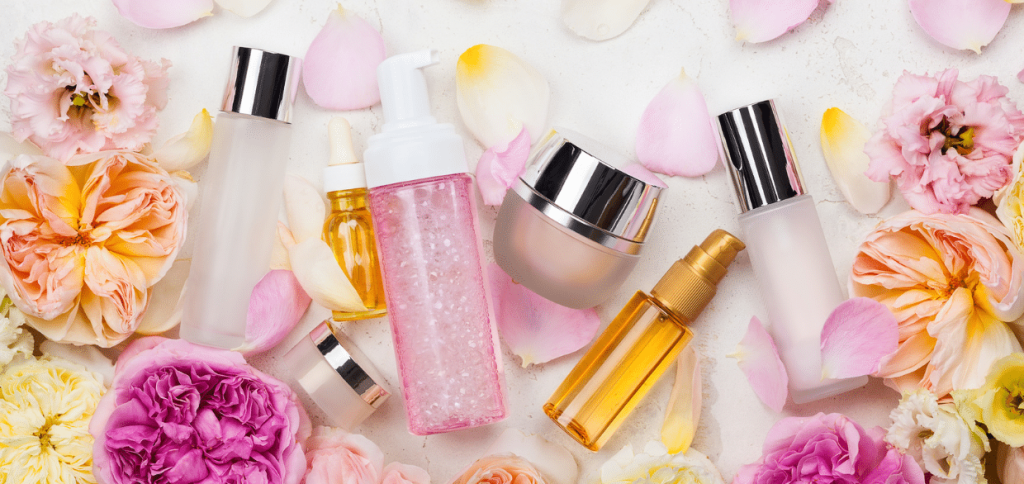
- Emergence of Clean Beauty: The clean beauty movement has gained remarkable traction, with consumers increasingly demanding products free from harmful chemicals and synthetic ingredients. Major players such as Beautycounter and Ilia Beauty have emerged, advocating for transparency around ingredient lists and prioritizing naturally derived components. This shift towards clean formulations is not just a trend; it highlights a fundamental change in how we perceive beauty and health, steering the industry towards safer and healthier practices.
- Technological Integration: The rise of technological integration has revolutionized how skincare is approached. Virtual consultations and online skin diagnostic tools enable users to receive expert advice without leaving their homes. Brands have also begun developing apps that track progress over time, allowing for more informed decisions. For instance, the use of augmented reality in beauty apps allows users to virtually “try on” products, improving purchase satisfaction and reducing waste.
- Rise of Functional Ingredients: The demand for innovative formulas containing functional ingredients has never been higher. Ingredients such as CBD, probiotics, and peptides are increasingly common, with manufacturers harnessing their properties to address various skin concerns. Consumers are becoming more educated about how these ingredients work, resulting in a greater emphasis on products that not only feel good but also deliver on efficacy.
These innovations reflect a broader cultural shift towards authenticity, transparency, and a more mindful approach to self-care. As consumers demand better options and seek genuine connections with brands, the skincare industry is compelled to innovate continually.
- Inclusivity in Beauty: The call for inclusivity is echoing throughout the beauty realm, necessitating brands to cater to diverse skin tones and types. Companies such as Fenty Beauty have set a precedent by offering an array of shades that serve all demographics. This inclusive approach extends beyond makeup into skincare, where personalized formulations cater to the unique needs of individuals regardless of their skin color or condition, illustrating a more comprehensive understanding of beauty.
- Mindfulness and Self-Care: In a fast-paced world, the importance of incorporating mindfulness into daily routines is becoming increasingly recognized. Skincare is being redefined as a form of self-care that prioritizes mental well-being alongside physical health. Rituals such as facial massages and meditative practices involving skincare products encourage slowing down and being present, transforming what used to be routine into a nourishing experience.
- Community and Social Connection: Brands are beginning to recognize the power of community in their marketing strategies. Online platforms foster discussions around skincare routines, allowing users to share personal experiences and recommendations. This community-driven approach enhances brand loyalty and builds trust, as consumers are drawn to brands that prioritize real connections forged through shared stories.
These key trends and innovations not only transform skincare routines but also reflect the changing landscape of beauty in society. The future of skincare lies at the intersection of science and personal touch, as brands continue to pivot and adapt to the evolving needs of their consumers.
| Trend | Innovative Features |
|---|---|
| Personalization | AI-driven skin analysis tools that recommend tailored skincare products based on individual needs, encouraging a shift away from one-size-fits-all solutions. |
| Sustainable Ingredients | Eco-friendly formulations using plant-based and natural ingredients that not only benefit the skin but also promote environmental sustainability. |
As we delve deeper into the evolution of skincare routines, it is evident that the integration of technology plays a crucial role. With the rise of personalized skincare, consumers are now able to access AI-driven skin analysis that offers tailored recommendations. This empowers users to select products that are specifically suited to their individual skin conditions, thus moving away from generic solutions that have flooded the market for years.Moreover, the focus on sustainability within the skincare industry cannot be overlooked. Brands are increasingly turning to eco-friendly practices that utilize sustainable ingredients. Natural and plant-based formulations are gaining traction, not just for their effectiveness but also for their reduced impact on the environment. This shift signifies a growing consumer demand for transparency and ethical production methods, pushing the industry towards a more responsible future.Both personalization and sustainability are trends that are transforming the landscape of beauty, encouraging individuals to be more conscious about their skincare choices. These innovations invite further exploration and discussion around skincare’s future, its effects on beauty standards, and how technology continues to redefine our understanding of self-care.
DIVE DEEPER: Click here to discover the latest trends
The Shift Towards Personalized Skincare Solutions
As consumers become increasingly sophisticated in their skincare choices, the demand for personalized solutions is soaring. This trend reflects a significant shift in how individuals approach their skincare routines, marking a departure from one-size-fits-all products to tailored regimens that address specific concerns.
- Custom Formulations: The rise of custom skincare companies, such as Curology and SkinCeuticals, exemplifies this demand for personalization. These brands employ quizzes and consultations to understand unique skin types and concerns, crafting bespoke products that target issues ranging from acne to aging. This tailored approach allows consumers to take control over what they apply to their skin, promoting a greater efficacy of products while fostering a deeper connection with their skincare ritual.
- Smart Skincare Devices: The technological revolution has also ushered in an era of smart skincare devices that monitor skin conditions in real-time. Devices like the Foreo UFO and Neutrogena’s Skin360 utilize biosensor technology to provide personalized recommendations based on skin temperature, hydration levels, and more. The ability to receive immediate feedback empowers consumers to adjust their routines on-demand, effectively creating a loop of continuous improvement in their skincare practices.
- Subscription Services: The convenience of subscription boxes, such as Birchbox and Ipsy, has transformed how consumers discover new products. These monthly deliveries allow users to sample a variety of items tailored to their preferences, helping them to navigate the vast landscape of skincare options without being overwhelmed. As these boxes often include items that cater to a range of skin types and concerns, they serve as an educational tool, fostering a more informed consumer base.
Clearly, the trend towards personalized skincare is not merely a passing fad but a reflection of an overall cultural shift towards individuality and self-expression in beauty routines.
Sustainability and Ethical Practices in Skincare
With growing awareness around environmental impact, consumers are increasingly valuing sustainability and ethically sourced ingredients in their skincare products. This has led to a transformation in how brands communicate their values and practices.
- Eco-Friendly Packaging: Skincare brands are rethinking their packaging strategies to minimize waste. Initiatives like refillable containers and recyclable materials are becoming more common. Brands like Lush set an example with their “naked” products—packaging-free items that challenge conventional norms and emphasize sustainability without compromising on quality.
- Sourcing Practices: The call for ethical sourcing has gained momentum, prompting companies to ensure that their ingredients are obtained responsibly. As more consumers seek out products that reflect their values, brands that prioritize ethical supply chains, fair trade practices, and cruelty-free testing are likely to gain a loyal following. Brands such as The Ordinary and Drunk Elephant highlight their sustainable practices, strengthening consumer trust through transparency.
- Natural Alternatives: In addition to sourcing practices, there is a continuous exploration for natural alternatives to synthetic substances. Ingredients derived from renewable resources, such as algae and plant extracts, are popularizing sustainable skincare formulations. This not only meets consumer demands but also contributes to conserving biodiversity and supporting local economies.
By embracing sustainability and ethical practices, the skincare industry is not only responding to consumer demand but is also taking critical steps towards a healthier planet, ultimately redefining the future of beauty.
DIVE DEEPER: Click here to discover more about how nutrition affects your skin
Conclusion: A New Era of Skincare Awareness
In summary, the evolution of skincare routines reveals a fascinating journey shaped by modern consumer demands, technological advancements, and a greater emphasis on sustainability. As we have explored, the paradigm shift towards personalized skincare solutions signifies an increased desire for products that not only cater to individual needs but also cultivate a personal connection to beauty rituals. This trend is further complemented by smart skincare devices and innovative subscription services that foster a more knowledgeable and engaged consumer base.
Equally important is the growing focus on sustainability and ethical practices within the skincare industry. Today’s conscientious consumers are not just looking to enhance their beauty; they wish to do so in a manner that is responsible and aligned with their values. By prioritizing eco-friendly packaging, ethical sourcing, and the use of natural ingredients, brands are redefining beauty standards while promoting environmental stewardship.
As the landscape of skincare continues to evolve, consumers are encouraged to stay informed and be proactive in their choices. With new trends and innovations emerging regularly, exploring the myriad of available options is more crucial than ever. This journey not only enhances individual beauty but also contributes to a broader movement towards a more sustainable and responsible future in the cosmetic industry. The future of skincare is bright, and with it comes the promise of transformative and mindful beauty experiences.