

The Transformative Role of Robotic Automation in Manufacturing
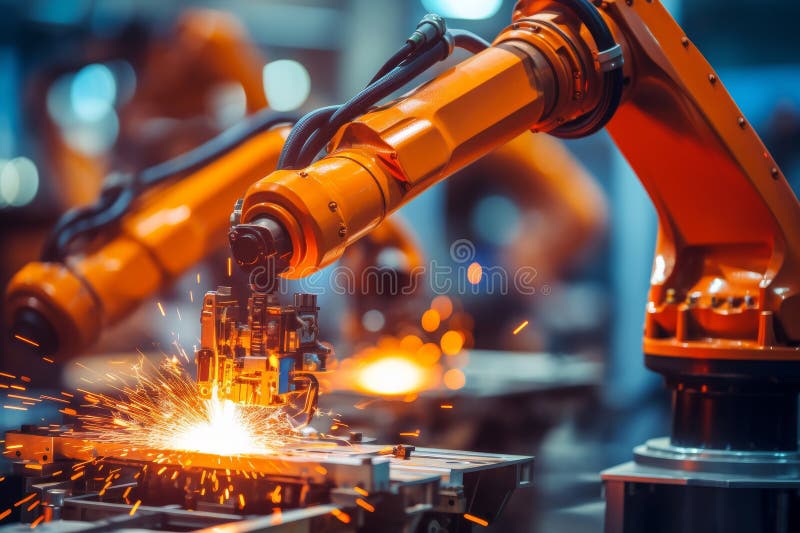
The manufacturing industry is currently experiencing a profound shift, much of which can be attributed to the rise of robotic automation. As companies strive to enhance production systems, robots are becoming indispensable, facilitating a faster and more streamlined approach to manufacturing. These technological advancements keep pace with evolving consumer demands, ensuring products are not only produced quicker but also with higher precision.
Efficiency Gains
One of the most significant advantages robotic automation brings is the substantial efficiency gain across various manufacturing processes. For instance, robots can operate around the clock without fatigue, achieving faster production times than a human workforce. This 24/7 functionality allows companies to meet tight deadlines and respond promptly to market fluctuations, which is crucial in today’s fast-paced economy.
- Faster production times: Automation can reduce the time needed to manufacture goods. For example, automotive manufacturers, like Tesla, have incorporated robotic systems in assembly lines that perform tasks such as welding and painting with impressive speed.
- Consistent quality control: Robots are programmed for precision, significantly reducing the margin of error in production. This consistency is critical in industries requiring strict adherence to safety and quality standards, such as medical device manufacturing.
- Reduced labor costs: By increasing productivity, companies ultimately decrease production costs. As a case study, Foxconn, a major electronics manufacturer, has adopted automation strategies that reportedly cut labor costs by approximately 30% while maintaining output levels.
Challenges Faced
Despite these advantages, the integration of robotics into manufacturing does not come without its challenges. As industries increasingly turn to automation, the implications for the workforce are complex and multifaceted.
- Job displacement concerns: There is growing anxiety that automation will displace human workers, especially in low-skilled positions. According to a report from the World Economic Forum, millions of jobs could be lost globally by 2025, prompting urgent discussions about workforce realignment and retraining.
- High initial investment costs: The capital required to implement robotic systems can be substantial. Companies must weigh this initial expenditure against potential long-term savings and operational benefits, a calculation that can be daunting for smaller firms.
- Need for skilled personnel: As automation becomes prevalent, the demand for skilled workers who can program, maintain, and troubleshoot these systems grows concurrently. This necessity prompts a need for educational reforms and workforce development initiatives to prepare employees for new roles.
As the robotics landscape evolves, striking a balance between innovation and responsibility proves essential for U.S. manufacturers. Implementing robotic automation offers myriad benefits, yet it is crucial for companies to navigate the broader implications on society and the economy. By addressing these challenges head-on, the industry can harness the full potential of robotics while ensuring a sustainable future for the workforce.
In this article, we will further explore the impact of robotic automation on manufacturing, illuminating the transformative potential of this trend while critically examining the challenges that accompany such groundbreaking changes. The journey towards a fully automated manufacturing future promises both unprecedented benefits and formidable obstacles, making this a pivotal moment for industries in the United States.
DIVE DEEPER: Click here to learn more
Maximizing Productivity Through Robotics
As industries globally embrace the revolution of robotic automation, the manufacturing sector in the United States is undergoing remarkable transformations. One of the most compelling facets of this transition is the way automation maximizes productivity, setting a new standard for efficiency. The integration of robotics into production lines leads to not only heightened output but also enhanced flexibility in manufacturing operations.
Robots are particularly adept at handling repetitive tasks that are traditionally labor-intensive. For instance, in the electronics sector, companies like Apple have successfully employed robotic systems to streamline assembly processes. These robots can perform tasks such as picking, placing, and soldering components with a level of accuracy and speed unattainable by human hands. This capability not only accelerates production cycles but also enables the manufacturing of more complex products without compromising quality.
- Enhanced operational flexibility: The flexibility of robotic systems allows manufacturers to adapt quickly to changing consumer demands. For example, automotive companies can reprogram robots to switch between different models without significant downtime, ensuring that production schedules remain aligned with market needs.
- Reduction of workplace hazards: Automation proactively mitigates risks associated with dangerous manufacturing jobs. Robots can undertake hazardous tasks, such as handling toxic materials or lifting heavy components, thereby safeguarding human workers from potential injuries and ensuring a safer work environment.
- Data-driven decision-making: Robotics often comes coupled with advanced data analytics, enabling manufacturers to gather insights into production processes. This data-driven approach allows companies to pinpoint inefficiencies, predict maintenance needs, and optimize workflows, driving continuous improvement.
However, while these productivity gains are striking, they underscore the need for manufacturers to strategically consider their long-term vision. Rapid advancements in robotic technologies are creating a competitive landscape where companies that lag in automation may quickly fall behind. As organizations harness the capabilities of robotics, they also face the pressing responsibility of integrating these systems in a way that is both ethical and sustainable.
Balancing Innovation and Workforce Impact
While the benefits of robotic automation are clear, it is equally essential to address the impact on the workforce. The adoption of robotic systems fosters a paradigm shift within organizations, prompting leaders to reevaluate their approach to human capital. As more tasks are automated, the manufacturing industry’s labor dynamics are invariably changed, leading to essential questions about job displacement and workforce re-skilling.
The challenge lies in encouraging a culture of continuous learning and adaptation. Companies must prioritize workforce development by offering training programs that equip employees with the skills necessary to operate and maintain these complex systems. This is not merely a reactionary measure; instead, fostering a knowledgeable workforce can create new opportunities, enabling employees to transition into higher-value roles that robotics cannot fulfill.
As robotic automation reshapes the manufacturing landscape, it is imperative for industry leaders to strike a balance between maximizing efficiency and preserving the human element of production. By navigating the intricate dance of technological advancement and workforce integration, the industry can realize a future where human ingenuity and robotic precision work hand in hand.
The Impact of Robotic Automation in the Manufacturing Industry: Efficiency and Challenges
Robotic automation has quickly transformed the landscape of the manufacturing sector, offering significant advantages while also presenting unique challenges that demand careful consideration. One of the most profound impacts of robotic automation is seen in the efficiency gains that companies experience. This advancement allows for the streamlining of production processes, enabling manufacturers to produce more in less time. Such efficiency not only increases output but also contributes to substantial cost savings through the reduction of labor costs and minimized waste.Moreover, the integration of robotics can enhance precision and consistency, key components in high-quality manufacturing. Machines are programmed to perform repetitive tasks with remarkable accuracy, which diminishes the likelihood of human error. As a result, the industry is experiencing lower defect rates and a greater overall reliability of the products being produced.However, while the benefits abound, the challenges associated with robotic automation also warrant attention. The initial investment can be significant, as equipping a facility with advanced robotics and automation technology often requires a comprehensive overhaul of existing processes. Furthermore, there may be resistance from the workforce, as employees fear job displacement due to the rise of machines. This situation emphasizes the importance of retraining programs aimed at equipping workers with new skills that are complementary to automated systems.Additionally, businesses must navigate the challenges of maintaining these sophisticated machines. Robotic systems require regular upkeep and updates to remain effective, and this can often lead to unexpected downtime if not managed properly. As the manufacturing industry continues to evolve, it becomes increasingly crucial to find a balance between embracing robotic automation and addressing its impact on the workforce and operational dynamics. The potential remains vast, sparking interest for future explorations in this transformative field.
| Category | Benefits and Challenges |
|---|---|
| Efficiency Improvements | Robotic systems enhance production speed and reduce errors, leading to high-quality output. |
| Cost Reduction | Decreases in labor costs and material wastage contribute to better profit margins for manufacturers. |
| Workforce Displacement | Automation can lead to job loss; therefore, reskilling initiatives are crucial for employee adaptation. |
| Maintenance Challenges | Advanced systems require ongoing maintenance, risk of downtime impacts productivity. |
DIVE DEEPER: Click here to learn more
Addressing Economic Challenges and Inequalities
While the efficiency gains from robotic automation in the manufacturing sector seem undeniable, it is crucial to also examine the broader economic challenges that accompany this rapid technological evolution. The introduction of advanced robotics not only transforms production practices but also poses significant socioeconomic questions, particularly concerning income inequality and employment disparities.
As companies increasingly lean on automation to enhance efficiency, there exists a palpable risk that job displacement may become a pressing reality for a considerable segment of the workforce. A 2020 report from the McKinsey Global Institute projected that up to 30% of the global workforce could be displaced by automation by 2030. In the United States, this may disproportionately affect low-skill workers, particularly in sectors like manufacturing, where repetitive tasks can be further streamlined by machines. The result? A growing divide between skilled labor, capable of leveraging technological advancements, and unskilled labor, which risks becoming obsolete.
- Reinforcing local economies: Automation can exacerbate regional economic disparities. Manufacturing hubs in areas with ready access to talent may flourish while regions reliant on traditional manufacturing jobs could face economic decline. Cities or towns that deprioritize workforce re-skilling initiatives may find it increasingly difficult to reinvent themselves in a tech-driven economy.
- Investment in education and training: To mitigate these challenges, a collaborative approach involving government, educational institutions, and the private sector is essential. Creating robust vocational training programs that prepare workers for advanced manufacturing roles can enable a smoother workforce transition, empowering individuals to thrive in an evolving job landscape.
Additionally, it is essential to note that the integration of robotics can also lead to enhanced production value, spurring economic growth. As productivity increases, companies in the manufacturing sector may experience higher profit margins that can be reinvested into their workforce or community initiatives. For instance, firms like Tesla have not only automated processes on the production floor but have also committed to expanding their facilities and hiring new employees. Such examples illustrate that while automation can be a disruptor, it can also play a role in fostering economic revitalization when approached proactively.
Supply Chain Interdependencies and Global Challenges
Robotics also impact the global supply chain, a critical aspect of manufacturing ecosystems today. With the rise of automation, companies can streamline their supply chain operations to respond swiftly to market demands. This flexibility allows manufacturers to navigate fluctuations in consumer behavior, supply disruptions, and geopolitical challenges. Companies adopting robotic solutions report shorter lead times and reduced inventory costs, making them more resilient to external pressures.
However, reliance on automated systems in supply chains introduces new vulnerabilities of its own. Cybersecurity threats pose a significant risk, as interconnected systems are susceptible to breaches that can bring production lines to a halt. Moreover, companies must contend with the environmental implications of increased automation, as the energy consumption of high-tech manufacturing processes can overshadow some of the efficiency gains they achieve. Addressing these concerns involves not only implementing robust cybersecurity measures but also investing in green technologies to create sustainable solutions.
The journey towards integrating robotic automation within the production landscape is intricate, filled with opportunities and challenges alike. As the manufacturing industry navigates these changes, understanding the delicate balance between harnessing technological advancements while ensuring equitable economic outcomes will be vital for a sustainable and prosperous future.
DIVE DEEPER: Click here to discover more about CNN advancements
Conclusion: Navigating the Future of Manufacturing with Robotic Automation
As we stand on the brink of a new industrial era, the integration of robotic automation in the manufacturing industry presents a double-edged sword. On one side, the efficiency gains are evident—streamlined production processes, reduced operational costs, and improved output quality. These benefits not only position companies on the cutting edge of innovation but also enable them to thrive in an increasingly competitive global market.
However, the challenges posed by robotic automation cannot be overlooked. The specter of job displacement looms large, particularly for low-skill workers in traditional manufacturing roles. With projections indicating that as much as 30% of the workforce could be at risk by 2030, it becomes imperative that stakeholders address the widening skills gap. A focus on educational investments and reskilling initiatives will particularly prove crucial for those at risk of obsolescence.
Furthermore, as automation reshapes the global supply chain, manufacturers must develop strategies to mitigate new vulnerabilities, including cyber threats and environmental impacts. The intersection of technology and sustainability will define not only the future of manufacturing but also how equitable and inclusive that future will be.
Ultimately, the path forward requires a concerted effort among governments, educators, and industry leaders to ensure that the benefits of robotic automation are shared widely, paving the way for a healthy economy that embraces innovation while safeguarding its most vulnerable members. By addressing these issues holistically, the manufacturing sector can harness the potential of robotics to drive forward in a manner that is both efficient and equitable.