
The Influence of Nutrition on Skin Health and Healthy Aging
Understanding the Link Between Nutrition and Skin Health
Have you ever considered how your food choices directly impact your skin? A burgeoning field of research increasingly illustrates that nutrition is not merely about physical wellness but also integral to maintaining healthy and radiant skin. The foods you consume can either nourish your skin or contribute to its deterioration, influencing how you age.
Many of the key nutrients that contribute to skin vitality are abundant in a variety of delicious and accessible foods. For instance, the antioxidants found in colorful fruits and vegetables like blueberries, spinach, and carrots are potent allies in the fight against oxidative stress—an imbalance in the body that can lead to premature aging and dull skin. These antioxidants help neutralize free radicals that can cause cellular damage. A simple smoothie packed with these ingredients can serve as an excellent daily boost.
Additionally, incorporating healthy fats, particularly Omega-3 fatty acids, is crucial for optimal skin health. Sources like fatty fish (think salmon or mackerel), walnuts, and flaxseeds can significantly enhance your skin barrier function. This improved barrier helps to lock in moisture and provide a plump and youthful appearance while simultaneously guarding against environmental irritants.
Vitamins, particularly Vitamins C and E, are also essential for skin maintenance. Vitamin C plays a pivotal role in collagen production, a protein that helps keep skin structurally sound and firm. On the other hand, Vitamin E is revered for its skin-repairing properties and acts as an antioxidant to protect against sun damage. Foods rich in these vitamins include citrus fruits, nuts, and green leafy vegetables—simple additions that can transform your diet.
Beyond visible signs of aging, a balanced diet can prevent various age-related skin conditions by:
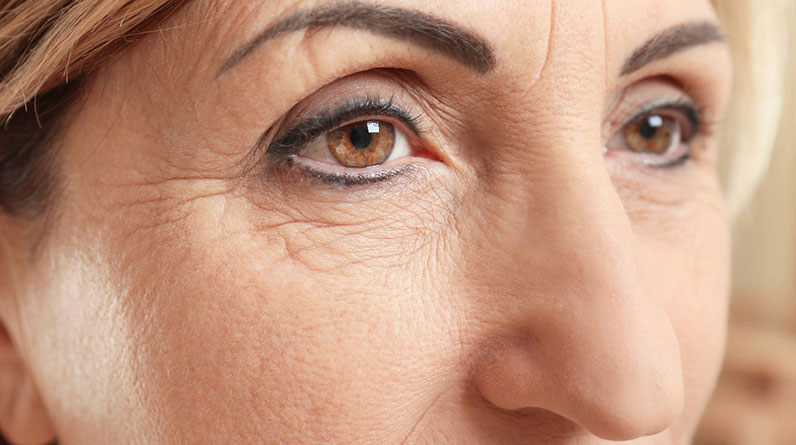
- Reducing inflammation: Chronic inflammation is linked to fine lines and discoloration, commonly exacerbated by diets high in sugar and processed foods.
- Enhancing hydration: Foods with high water content (like cucumbers and oranges) can promote hydration, which is vital for a healthy complexion.
- Promoting cell turnover: Nutrient-rich foods assist in accelerating the skin’s natural renewal processes, essential as we age.
The increased awareness among Americans regarding dietary choices is promising. However, many still overlook the essential connection between nutrition and skin health. By prioritizing nutrient-dense foods and understanding their benefits, you can take proactive steps not only to improve your skin but also positively affect how you age. For those seeking to maintain a youthful glow, it’s time to consider your plate not just as a source of sustenance but as a tool for holistic skin care.
Join us as we explore further into the intricate relationship between your diet and skin health, along with practical tips that you can implement to transform your eating habits for the better. Your skin will thank you!
DISCOVER MORE: Click here to learn how to enhance your skincare with aromatherapy
Essential Nutrients for Radiant Skin
When it comes to achieving a glowing complexion and slowing the aging process, understanding the essential nutrients that support skin health is vital. Each nutrient plays a specific role, impacting the skin’s resilience, hydration, and overall appearance. By being mindful of what you eat, you can provide your skin with the building blocks it needs for rejuvenation and maintenance.
Among the most significant contributors to skin vitality are vitamins and minerals. For example, Vitamin A, commonly found in sweet potatoes, carrots, and dark leafy greens, is crucial for skin repair and regeneration. This powerful vitamin aids in cell production and turnover, ensuring that new, healthy skin cells replace older, damaged ones. Furthermore, a deficiency in Vitamin A can lead to dry skin and an increased risk of skin infections, proving just how fundamental this nutrient is for optimal skin function.
The mineral zinc is another essential component that should not go overlooked. Found in foods like chickpeas, legumes, and nuts, zinc plays a crucial role in skin healing and inflammation reduction. It also supports the production of collagen, which is important for maintaining skin structure and preventing sagging. Notably, a lack of zinc can exacerbate skin conditions like acne and eczema, highlighting the need for adequate dietary intake.
While vitamins A and zinc form the backbone of skin health, polyphenols, yet another group of powerful antioxidants, take skin nourishment to the next level. These compounds are naturally found in foods like berries, green tea, and dark chocolate. Polyphenols have been shown to protect the skin from photoaging caused by sun exposure, making their incorporation into your daily diet a prime strategy for mitigating damage and maintaining youthful skin.
The Role of Hydration
In the quest for luminous skin, hydration cannot be overstated. Studies have shown that well-hydrated skin looks more plump and vibrant, while dryness can accentuate fine lines and creases. Making water-rich foods a part of your diet, such as cucumbers, watermelon, and oranges, can not only help you stay hydrated but also provide added vitamins and minerals beneficial for skin health.
Water intake is crucial not only from beverages but also through the foods you eat. Aiming for at least 8 glasses of water a day, combined with hydrating foods, can help flush out toxins, further enhancing your skin’s appearance. The hydrating properties of certain fruits and vegetables can work in tandem with your body’s natural processes to keep your skin looking fresh.
In summary, the journey toward healthy skin and graceful aging starts with understanding and incorporating the right foods into your diet. By prioritizing nutrient-dense options rich in vitamins, minerals, antioxidants, and hydration, you can cultivate a skincare routine that radiates from the inside out. Discovering the profound connections between your diet and skin health can pave the way for lasting beauty and vitality, ultimately giving you the radiant complexion you desire.
| Nutrient | Impact on Skin Health |
|---|---|
| Vitamins | Vitamins A, C, and E are crucial for maintaining skin elasticity, repairing damaged skin, and combating oxidative stress. These vitamins help enhance collagen production, leading to reduced signs of aging. |
| Healthy Fats | Omega-3 and Omega-6 fatty acids nourish the skin and help maintain its moisture barrier. This results in reduced inflammation and improved overall skin texture, assisting in achieving a youthful appearance. |
| Antioxidants | Antioxidants found in fruits and vegetables protect the skin from environmental damage, reducing the risk of premature aging. They play a vital role in enhancing skin radiance. |
| Hydration | Adequate water intake is essential for maintaining skin’s moisture levels. Proper hydration promotes skin elasticity and helps to flush out toxins, providing a clear complexion. |
The synergistic relationship between nutrition and skin health cannot be overstated. A well-balanced diet rich in essential nutrients not only supports the skin’s appearance but also enhances its resilience as we age. For example, Vitamin C helps with collagen synthesis, while Omega fatty acids maintain the skin barrier. As research evolves, the impact of nutrition on skin health is becoming increasingly evident, prompting individuals to reassess their dietary choices to promote a healthier, aging-resistant complexion. To delve deeper into specific food sources and their benefits, further exploration is necessary. Nutrition isn’t just about health; it’s a key player in how we age visually and physically.
DIVE DEEPER: Click here to discover the best anti-aging ingredients
Impact of Dietary Fats on Skin Elasticity
While many people focus on micronutrients like vitamins and minerals when considering skin health, the role of dietary fats is equally crucial. Healthy fats can significantly influence your skin’s elasticity, hydration, and overall appearance, offering protective properties against aging. Specifically, omega-3 and omega-6 fatty acids are essential components to incorporate into your diet for optimal skin health.
Omega-3 fatty acids, prevalent in foods like salmon, walnuts, and flaxseeds, help combat inflammation, allowing skin conditions such as psoriasis and eczema to improve. These healthy fats work at a cellular level, helping the skin to maintain its lipid barrier, which is crucial for retaining moisture. Studies suggest that diets high in omega-3 can contribute to a firmer complexion and reduce the appearance of fine lines, signaling the importance of these fatty acids in the age-old quest for youthful skin.
Conversely, while omega-6 fatty acids play a pivotal role in skin health, an imbalance can occur if they are consumed excessively relative to omega-3s. Commonly found in vegetable oils like corn and sunflower oil, excessive omega-6 intake can lead to chronic inflammation, adversely affecting skin conditions and promoting premature aging. Striking the right balance between these two fatty acids can unlock not only healthier skin but also aid in overall wellness.
Understanding the Power of Antioxidants
In addition to essential fatty acids, the incorporation of antioxidant-rich foods can have a profound impact on skin health. Antioxidants, such as vitamins C and E, fight off damaging free radicals that can accelerate aging and cause skin degradation. Vitamin C, abundant in citrus fruits, strawberries, and bell peppers, not only aids collagen production but also promotes skin repair and brightens the complexion.
Research indicates that a diet high in antioxidants may decrease the risk of sun damage, often the culprit behind premature aging. By protecting skin cells from oxidative stress, you can enhance skin resilience and maintain that youthful glow longer. Frequent consumption of antioxidant-rich foods plays a pivotal role in your skin’s defense against environmental factors.
- Vitamin C: Supports collagen synthesis and aids skin renewal.
- Vitamin E: Protects skin cells from oxidative damage and helps with healing.
- Selenium: Found in Brazil nuts and incorporates antioxidant properties that prevent skin damage from UV exposure.
The Influence of Sugar on Skin Aging
Another critical aspect to consider in the relationship between nutrition and skin health is the impact of sugar consumption. Research has shown that high sugar intake can lead to a process known as glycation, where sugar molecules bind to proteins, forming harmful compounds that contribute to skin aging and loss of elasticity. This can manifest in the skin as dullness, increased wrinkles, and sagging.
Reducing refined sugar intake can be transformative for skin appearance. By swapping out sugary treats for whole fruits, whole grains, and complex carbohydrates, you not only cut down on glycation but also provide your body with the nutrients it craves for skin vitality. Maintaining stable blood sugar levels through a balanced diet can lead to clearer, healthier skin and a more youthful appearance.
In summary, understanding the influence of dietary fats, antioxidants, and sugar on skin health leads to a more holistic approach to skincare. By making informed food choices, individuals can harness the power of nutrition to enhance their skin’s vibrancy and effectively navigate the aging process.
DIVE DEEPER: Click here to uncover the latest breakthroughs
Conclusion: Embracing Nutrition for Radiant Skin and Ageless Beauty
As we journey through life, the role of nutrition in maintaining healthy skin and promoting aging gracefully becomes increasingly evident. The impact of dietary choices on skin health cannot be overstated; from the quality of diets rich in omega-3 fatty acids that enhance elasticity, to the protective power of antioxidants that shield against environmental stressors, each element plays a vital role in the quest for youthful skin. Furthermore, conscious decisions to limit refined sugars can mitigate the harmful effects of glycation, ultimately preserving our skin’s vitality and resilience.
As the old saying goes, “you are what you eat.” This adage rings especially true when it comes to our skin. By integrating a variety of nutrient-dense foods into our daily meals, including colorful fruits, vegetables, healthy fats, and whole grains, we can not only nourish our bodies but also cultivate a radiant complexion that reflects our internal well-being. The connection between nutrition and skin health is a compelling reminder of the power we hold through our dietary habits.
In closing, the pursuit of radiant skin and healthy aging is an empowering journey that begins on our plates. By embracing informed, balanced nutrition, we unlock the potential to age gracefully, fostering a lifetime of skin vitality. As you explore this exciting realm, consider consulting with nutrition professionals to tailor a plan that meets your unique needs. Together, let’s face the future, committed to nurturing our skin from the inside out.