The Rise of Clean Beauty: Reviewing the Most Effective Non-Toxic Skincare Products
The Shift Towards Clean Beauty
In recent years, the beauty industry has witnessed a significant transformation. Consumers are becoming increasingly aware of the ingredients used in their skincare products. This awareness has led to the emergence of clean beauty, which emphasizes the importance of non-toxic, sustainable, and environmentally friendly formulations.
The clean beauty movement is not merely a trend; it reflects a shift in consumer values and priorities. As buyers seek healthier alternatives, they are looking for products that not only enhance their appearance but also promote overall well-being. Many consumers now prefer brands that prioritize health, sustainability, and ethical practices. This shift has brought several key aspects to the forefront:
- Ingredient Transparency: Brands are increasingly disclosing their ingredient lists, allowing consumers to make informed choices about what they are applying to their skin. For instance, companies like Beautycounter and Tata Harper promote their products as free from harmful chemicals like parabens, sulfates, and phthalates, which are often found in traditional beauty items. This transparency fosters trust between consumers and brands, making it easier for shoppers to select products that align with their values.
- Sustainability: As concerns about pollution and environmental degradation rise, eco-friendly packaging and ethical sourcing are becoming crucial elements in product development. Many brands, such as Lush and EcoTools, are leading the way with recyclable or biodegradable packaging. Additionally, a growing number of companies are opting for sustainable ingredient sourcing, ensuring their product formulations are not only good for consumers but also for the planet.
- Health Benefits: Non-toxic formulas are believed to reduce skin irritation and allergic reactions. For example, brands like Osea and Herbivore Botanicals formulate products with natural and organic ingredients that cater to sensitive skin types. These products often minimize the presence of synthetic chemicals, which can trigger adverse reactions for some individuals, making clean beauty a favored choice for the health-conscious consumer.
The market for clean beauty products is rapidly expanding, with revenue projected to soar in the coming years. According to research by Grand View Research, the global clean beauty market size was valued at approximately $11.60 billion in 2020 and is expected to witness a compound annual growth rate (CAGR) of around 9.7% from 2021 to 2028. Industry insiders estimate that the demand for non-toxic skincare will continue to grow as more people prioritize their health and the environment.
In this article, we will explore the most effective non-toxic skincare products available today. From nourishing moisturizers that hydrate deep into the skin, to revitalizing serums that address specific skin concerns, this guide will help you navigate the clean beauty landscape. With the influx of choices, understanding product ingredients and benefits is paramount, empowering you to discover products that truly align with your values.
DISCOVER MORE: Click here to boost your confidence
Understanding Non-Toxic Skincare Ingredients
As the clean beauty movement gains momentum, understanding the ingredients in skincare products is essential for making informed choices. Many consumers are now taking a closer look at labels to identify harmful chemicals and synthetic additives that could negatively impact their skin and overall health.
In the realm of non-toxic skincare, the focus is on formulations that prioritize safety, effectiveness, and environmental responsibility. Here are some key ingredient categories that are gaining popularity in clean beauty:
- Natural Oils: Derived from plants and seeds, natural oils like jojoba, almond, and rosehip are recognized for their hydrating properties and rich nutrient profile. These oils not only moisturize the skin but also deliver essential fatty acids and antioxidants, helping to improve overall skin health.
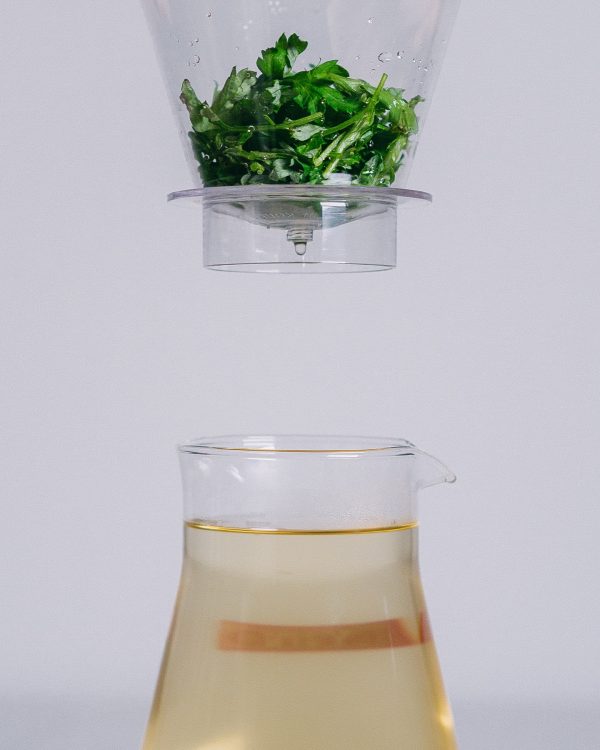
- Herbal Extracts: Ingredients such as chamomile, green tea, and calendula extract are praised for their calming and anti-inflammatory properties. Many clean beauty brands incorporate these herbal extracts into their formulations to soothe irritated skin and enhance the natural glow.
- Vitamins: Vitamins such as Vitamin C, E, and B3 (niacinamide) are frequently found in non-toxic products. Vitamin C is celebrated for its brightening and collagen-boosting benefits, while Vitamin E is known for its protective antioxidants that combat free radicals. Niacinamide is acclaimed for its ability to improve skin texture and tone.
- Fermented Ingredients: Fermented skincare is gaining traction due to its bioavailability and enhanced efficacy. Ingredients like fermented rice, soy, and sake are believed to help with absorption and deliver nutrients more effectively to the skin.
With an increasing number of consumers opting for products made with clean ingredients, brands are stepping up to meet this demand. A plethora of companies are now striving to formulate effective skincare using plant-based components that eschew synthetic chemicals. For example, First Aid Beauty has positioned itself as a leader by formulating products without common irritants, while Drunk Elephant focuses on delivering a “clean-clinical” approach that resonates with consumers seeking both efficacy and safety.
Moreover, regulatory bodies in the United States are slowly beginning to respond to the demand for safer cosmetics. Recent discussions surrounding the Personal Care Products Safety Act signal a growing commitment to ensuring that harmful ingredients are monitored and regulated. This legislative change not only raises industry standards but provides consumers with additional layers of safety and assurance.
As the platform for clean beauty continues to evolve, consumers must remain proactive in understanding what constitutes safe skincare. By staying informed about the benefits of non-toxic ingredients and actively seeking out products that align with personal values, individuals can take charge of their skincare routines and contribute to a larger movement towards sustainable and responsible beauty practices.
In the world of skincare, the shift towards clean beauty is not merely a trend but a movement towards healthier and more sustainable choices. As consumers become increasingly aware of what goes into their skincare products, the demand for non-toxic ingredients has risen sharply. This shift is characterized by a focus on transparency, sustainability, and the overall health benefits of clean ingredients. Many brands are stepping forward to replace harsh chemicals with plant-derived, organic components, embodying the principles of clean beauty.Non-toxic skincare products, often derived from natural sources, are less likely to contain harmful substances like parabens, sulfates, and synthetic fragrances. Research has shown that these ingredients can contribute to skin irritations and long-term health concerns. Instead, clean beauty brands emphasize formulations that harness the power of nature, utilizing vitamins, minerals, and botanical extracts known for their soothing and healing properties.Moreover, many consumers are drawn to the ethical aspects of clean beauty. Brands are increasingly prioritizing sustainability by using eco-friendly packaging and supporting fair trade practices. This approach not only reduces the carbon footprint but also empowers local communities involved in sourcing ingredients. By choosing non-toxic skincare products, consumers are effectively participating in a holistic lifestyle that benefits both their skin and the environment.As we explore various categories of non-toxic skincare products, from moisturizers to serums, it becomes evident that the options available today are both diverse and effective. Popular ingredients such as hyaluronic acid, shea butter, and essential oils are now common in products that promise to hydrate, nourish, and protect the skin without adverse effects. Additionally, the rise of clean beauty extends beyond the skin, with brands offering haircare and makeup lines that embody the same commitment to health and wellness.To further understand the impact of clean beauty on skincare routines, let us delve into a detailed overview of the leading non-toxic products, their benefits, and how they can elevate your skincare regimen. Embracing clean beauty is not just about avoiding harmful ingredients; it’s about redefining our relationship with skincare through choices that are kind to both ourselves and the planet.
DISCOVER MORE: Click here to learn how to adapt your beauty routine to the seasons
The Importance of Transparency and Ingredient Sourcing
As the clean beauty movement progresses, the emphasis on transparency in ingredient sourcing has become a cornerstone of non-toxic skincare brands. Consumers are not just looking for safe formulations; they want to understand where these ingredients come from, how they are processed, and the impact they have on both health and the environment. This increasing demand for transparency is pushing brands to provide clear information about their sourcing and manufacturing processes.
Ethical Sourcing: Many clean beauty brands are committed to ethical sourcing practices that prioritize sustainability and fair trade. For instance, brands like Herbivore Botanicals focus on sustainably harvested ingredients from around the globe, ensuring that farmers and communities behind these resources are treated fairly. This not only supports the local economy but also mitigates the negative environmental impact often associated with traditional harvesting methods.
Additionally, brands are now using innovative methods to source ingredients sustainably. For example, True Botanicals has implemented a seed-to-skin model, ensuring every ingredient is sourced from regenerative farms that practice sustainable agriculture. This not only guarantees the purity of the ingredients but also promotes land health and biodiversity.
Ingredient Awareness and Clean Beauty Certifications
With the rise of clean beauty, consumers are becoming increasingly aware of certification programs that help identify truly non-toxic products. Various organizations have emerged to certify products based on strict ingredient guidelines. Certifications such as COSMOS and EWG Verified provide consumers with a level of assurance regarding product safety and ingredient integrity. Products bearing these certifications are widely recognized and can guide conscious consumers towards reliable options in their quest for effective skincare solutions.
- COSMOS: A certification that focuses on organic and natural cosmetics, ensuring that products adhere to stringent environmental standards.
- EWG Verified: Assigned by the Environmental Working Group, this label signifies that a product meets strict standards for health and safety, encompassing everything from ingredient sourcing to environmental sustainability.
These certifications not only educate consumers about product safety but also raise industry standards as brands strive to achieve certification. Moreover, social media platforms have turned into powerful tools for informing consumers about harmful substances. Influencers and experts often discuss ingredients like parabens, sulfates, and phthalates, encouraging consumers to choose cleaner alternatives.
Consumer Empowerment in Clean Beauty Choices
As informed consumers, individuals are increasingly capable of discerning their skincare needs, driving the growth of a market that truly resonates with their values. An abundance of resources, such as ingredient checkers and forums, allow consumers to research products and make educated decisions. Popular apps like Think Dirty and Clearya enable users to scan product barcodes, providing immediate access to information about ingredient safety and alternative non-toxic options.
This empowerment not only influences personal choices but also sends a clear message to brands: consumers are opting for transparency, effectiveness, and sustainability. The intersection of clean beauty and consumer autonomy enhances the industry’s ability to innovate and respond to evolving demands, ultimately leading to healthier products and practices.
In conclusion, the rise of clean beauty is much more than a trend; it reflects a fundamental shift in consumer behavior towards greater transparency and responsibility. As brands embrace ethical sourcing and prioritize clear ingredient labeling, individuals are provided with the tools to make informed skincare choices that align with their values. The landscape of non-toxic skincare continues to develop, with consumers poised to shape its future through their preferences and advocacy.
DON’T MISS: Click here to discover how to adjust your skincare for every season
Conclusion: The Future of Non-Toxic Skincare
As we navigate the complexities of modern skincare, the rise of clean beauty stands as a testament to shifting societal values that prioritize health and sustainability. The demand for non-toxic skincare products is not simply a fad; it marks an empowering movement toward accountability and conscientious consumerism. With an ever-growing emphasis on transparency and ethical ingredient sourcing, brands are compelled to share not only what is in their products but also how those ingredients are obtained.
Furthermore, certified programs like COSMOS and EWG Verified act as essential beacons for consumers, guiding them through a landscape often riddled with marketing jargon. These certifications facilitate informed choices, allowing shoppers to select products that genuinely align with a commitment to both personal health and environmental responsibility.
As consumers continue to educate themselves about the ingredients they put on their skin, the power dynamic shifts significantly, pushing brands to innovate and meet raised expectations. Apps like Think Dirty empower individuals by offering easy access to information, helping them transition towards a cleaner beauty regimen.
Overall, the clean beauty movement encapsulates a broader cultural awakening, as individuals seek products that reflect their values and support a healthier planet. As this trend evolves, we can anticipate an exciting array of effective non-toxic skincare products poised to redefine beauty standards and create lasting impact. The future of skincare lies not just in enhancing beauty but in fostering a more sustainable world.