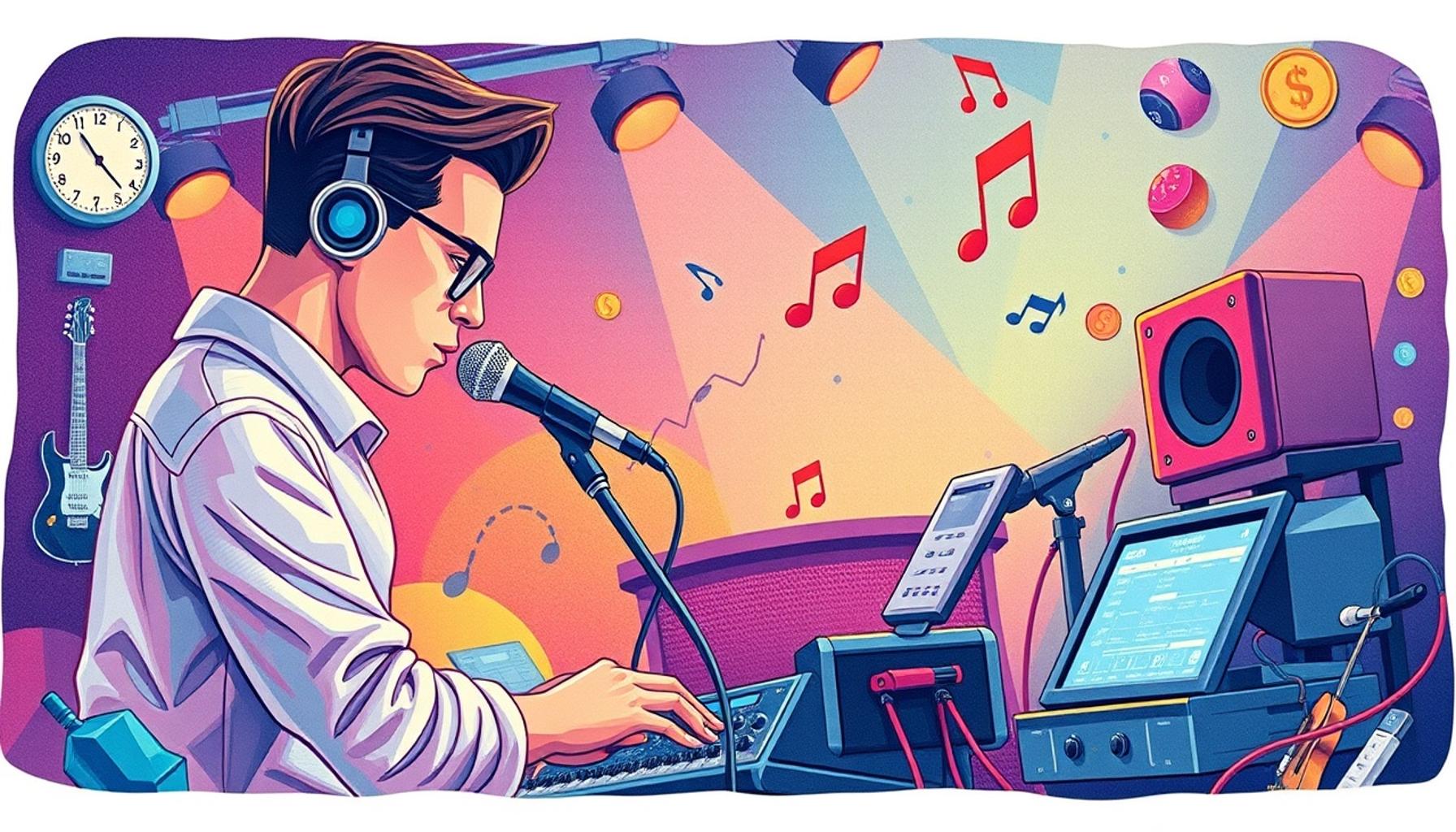
The Role of Technology in Shaping Music Performance: Virtual Concerts and Augmented Reality Experiences
Technology’s Impact on Music Performance
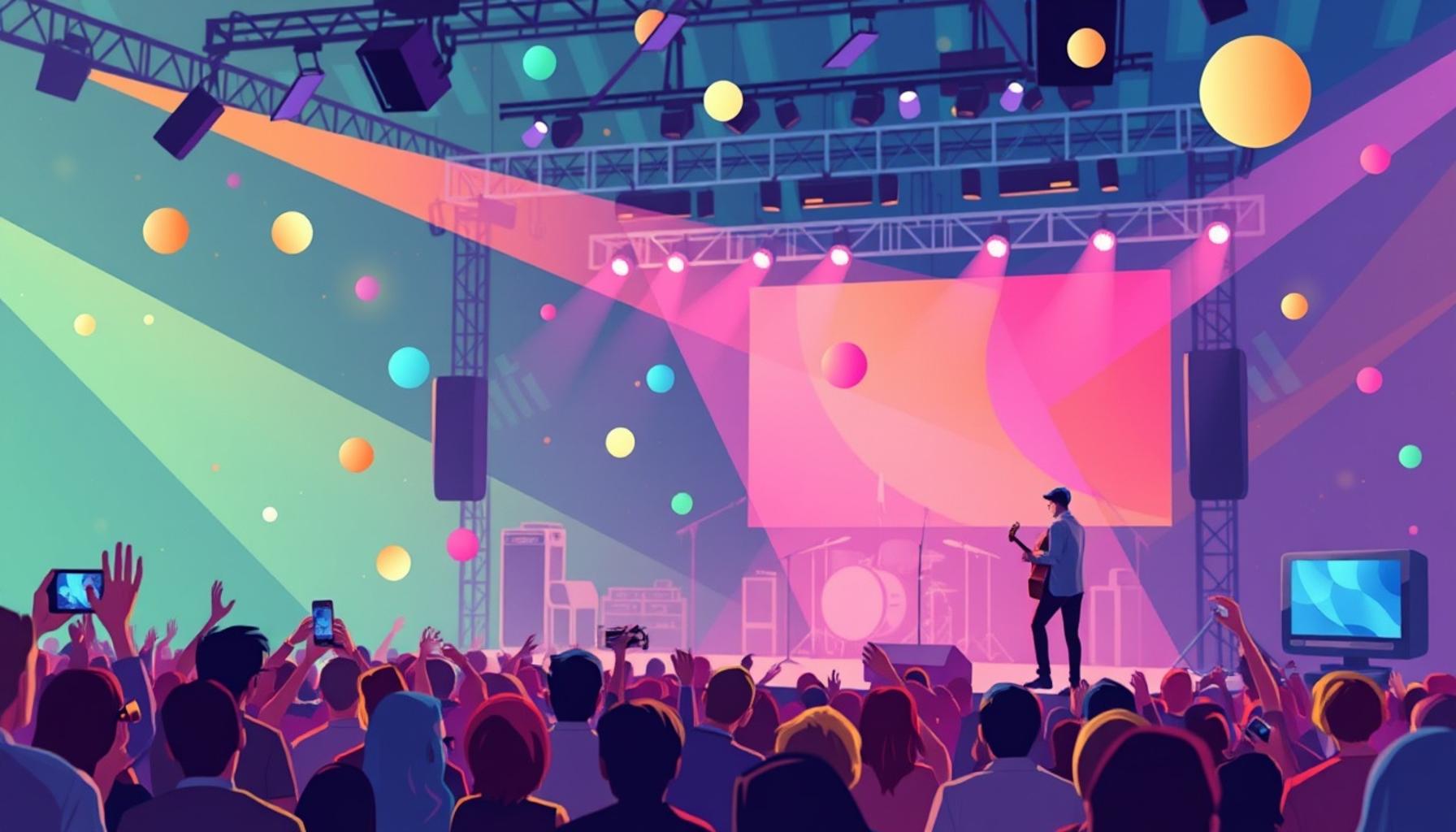
The music industry has witnessed a profound transformation with the advent of technology, especially in how concerts and performances are delivered to audiences. One of the most significant innovations is the rise of virtual concerts, which allow artists to perform in digital spaces that break geographical barriers. This new era of live performance uses streaming platforms that bring the thrill of a concert directly into the homes of millions of fans, effectively revolutionizing access to live entertainment.
Live Streaming is at the heart of this movement. Platforms such as Twitch, YouTube Live, and Facebook Live have enabled artists to reach global audiences instantaneously. A notable example is the virtual concert hosted by Travis Scott in Fortnite, which attracted over 12 million participants during its single performance. This event’s cross-platform integration showcased how gaming and music could converge to create unparalleled experiences. The use of interactive features such as real-time chat, polling, and virtual applause not only enhances viewer engagement but also simulates a sense of community among fans, making them feel connected to both the performer and each other.
Another transformative aspect lies in Interactive Features. These allow viewers to influence live performances through their participation. Fans can send virtual reactions, compile requests, and even join artists on-screen in some instances. For example, Billie Eilish utilized a similar concept during her global livestream, where fans could interact via emojis and comments, creating a responsive atmosphere. This level of engagement was largely absent in traditional performances, making the experience more immersive and personal.
Moreover, the integration of Immersive Experiences through Augmented Reality (AR) further enriches the musical landscape. With AR technology, artists can infuse their performances with stunning visual effects that complement their music, creating a multi-sensory experience. AR experiences provide fans with unique vantage points, allowing them to explore the virtual world of the concert as if they were part of an intricate video game. This combination of music and technology can lead to a transformative experience that allows audiences to engage with content on deeper levels than traditional concerts can.
Despite these advancements, the shift towards virtual interactions raises important questions. Concerns about accessibility arise, as not everyone has equal access to high-speed internet or advanced technology. Additionally, the monetization of these virtual events presents challenges, as artists and platforms navigate how best to balance free access with revenue generation. Moreover, the essence of a live performance— the energy of a crowd, the physical presence of an artist— can be hard to replicate in the virtual format. It begs the question: are these innovations enhancing our enjoyment of music, or are they trading intimacy for convenience?
As we continue to explore the intersection of technology and music, it is crucial to consider both the opportunities and challenges that lie ahead for artists and fans. The future of music performance is undoubtedly exciting, but its long-term implications will reveal if it truly enriches our connection to music.
DISCOVER MORE: Click here to dive deeper
The Evolution of Virtual Concerts
The evolution of virtual concerts has been propelled by both necessity and innovation, particularly during events like the COVID-19 pandemic when traditional in-person performances were abruptly halted. As artists sought to connect with fans, many turned to online platforms, unlocking a treasure trove of opportunities for engagement and creativity. This shift not only redefined how music is experienced but also laid the groundwork for a more interactive and inclusive approach to live performances.
One of the most compelling facets of virtual concerts is their ability to democratize access to music. Unlike traditional venues that are often limited by physical space, virtual platforms can accommodate virtually limitless audiences. Fans from different corners of the world can join live performances together, breaking down the barriers of location and cost. A classic example of this is the global reach of artists like Dua Lipa, who performed concerts streamed to millions, allowing previously excluded fans to partake in live entertainment from the comfort of their homes.
Multichannel Streaming
The rise of multichannel streaming services, such as Twitch and Vevo, has also contributed to the resurgence of live music in digital formats. These platforms prioritize artist-fan interaction by providing tools for live chat and real-time feedback. Benefits of these services include:
- Direct Engagement: Fans can chat with artists, send virtual gifts, and participate in interactive segments during the performance.
- Creator Support: Emerging artists can monetize their streams through subscriber donations, leading to sustainable revenue models.
- Creative Collaborations: Musicians can join forces with DJs, gaming influencers, and other artists, creating hybrid experiences that cater to diverse fanbases.
Moreover, the aspect of interactivity allows audiences to engage on a much deeper level. Concerts are no longer passive experiences; instead, fans can join in decision-making processes regarding setlists, or even vote on special guest appearances. This innovative engagement can transform casual listeners into avid supporters and cultivates a sense of ownership over the performance.
Augmented Reality: The Next Frontier
Augmented reality (AR) adds yet another layer of depth to virtual concerts. Through AR technology, audiences can experience additional visual elements that augment a performance, intensifying their overall experience. For instance, artists like Post Malone have experimented with AR during live-streamed performances, resulting in breathtaking visuals that perfectly synchronized with musical crescendos. These experiences illustrate how technology can elevate music performances, encouraging audiences to be not just spectators but active participants.
The benefits of incorporating AR in music performances also extend beyond simple visual enhancement. They include:
- Personalized Experiences: Fans can choose their viewing angles, customizing the concert experience to their preferences.
- Innovative Storytelling: Artists can weave narratives into their performances, utilizing visuals that complement their lyrical themes.
- Broadened Accessibility: Audiences who may have physical limitations are afforded experiences that are not constrained by venue logistics.
The potential of technology in music performance is vast, yet it is crucial to assess the responsibilities that accompany this transformation. As virtual concerts and augmented reality experiences grow in popularity, they bring forward necessary discussions surrounding content accessibility, artist compensation, and the long-term sustainability of these formats. The integration of technology into live music is undeniably exciting, but as we continue to navigate this new landscape, it is essential to keep the artist-fan relationship at the forefront.
| Advantage | Description |
|---|---|
| Global Accessibility | Virtual concerts enable audiences worldwide to experience performances without geographical limitations, creating a more inclusive music scene. |
| Enhanced Engagement | Augmented reality (AR) offers dynamic interactions during live performances, allowing fans to feel physically connected to their favorite artists in innovative ways. |
The emergence of virtual concerts and augmented reality experiences revolutionizes music engagement by tearing down traditional barriers. With the integration of technology, performances can now reach vast audiences, fostering a sense of community among fans regardless of their physical location. In fact, this technology not only facilitates wider reach but also democratizes access to high-quality performances. Furthermore, the use of AR enhances the concert experience itself, giving way to new creative expressions. Interactive elements provide a novel way for fans to immerse themselves in the performance, interact with the music, and share these experiences on social media platforms. As the industry adapts to evolving technologies, artists are discovering limitless potential in how they structure performances and connect with audiences. This technological shift is confidently paving the way for the future of music, prompting both artists and fans to explore unprecedented facets of live performances. Engaging not only with the music itself but also with multi-layered experiences will likely enrich the cultural landscape, making the role of technology in shaping music performance undeniably significant.
DIVE DEEPER: Click here to discover the impact of technology on art
Transforming the Audience Experience
The integration of technology into music performance is revolutionizing not just how artists deliver their work but also how audiences engage with it. As technology becomes increasingly sophisticated, it provides opportunities for fans to immerse themselves in ways that were previously unimaginable. This transformative relationship raises new questions about what it means to experience music in the digital age.
Immersive Soundscapes
Alongside visual enhancements from augmented reality, immersive soundscapes are pushing the boundaries of how music is consumed. Technologies such as binaural audio and spatial sound create an enveloping auditory experience that transports listeners from their living rooms into the midst of a concert. Platforms like Spatial Audio, offered by services such as Apple Music and Tidal, enable fans to perceive sound in three dimensions, recreating the sensation of being surrounded by live musicians.
This innovation allows for nuanced experiences where fans can follow individual instruments or vocal tracks, enhancing their connection to the performance. For instance, a user may choose to focus on the guitar solo during a classic rock performance while fading into the background vocals. Such auditory depth fuels engagement and as a result, encourages listeners to invest more time—and potentially money—in upcoming shows.
The Role of Gamification
Gamification represents another intriguing development in virtual music experiences. By incorporating elements typically found in video games—such as rewards for participation, challenges, or collectible digital merchandise—artists can motivate fans to interact more actively with performances. For example, artists like Travis Scott have leveraged gaming collaborations, notably within platforms like Fortnite, where fans could attend a concert event as characters in the game. These innovative concerts not only reached millions in real time but also created a shared experience that transcends traditional concert-going.
This approach offers benefits like:
- Enhanced Fan Loyalty: Fans are likely to develop a deeper loyalty to artists who engage them through interactive, game-like formats.
- Community Building: Gamified experiences often prompt the formation of communities around shared interests, which can foster stronger connections between fans and artists.
- New Revenue Streams: Digital rewards, in-game purchases, and unique NFTs can create lucrative revenue opportunities for artists looking to monetize their craft.
Challenges and Considerations
While the advancements in technology are exciting, they also introduce challenges that need to be addressed. Enhanced virtual concerts may exclude fans who lack access to necessary technology, raising concerns about equitable access to music experiences. Moreover, as audiences become accustomed to high-quality virtual performances, there is a risk that expectations may surpass what traditional concerts can offer.
Furthermore, there can be implications for notions of authenticity. Live performances typically carry an emotional weight due to the shared experience of being in a physical space with other fans. With increasing reliance on technology, artists must navigate the fine line between innovation and preserving the intimacy that live music is known for.
As we advance further into this technological era, it is essential for stakeholders—including artists, producers, and technology developers—to collaborate in creating inclusive solutions that not only enhance the audience experience but also ensure that the core essence of live performance is not lost. Balancing creativity with accessibility will be key to shaping a sustainable future for music performance.
DIVE DEEPER: Click here to discover more
Conclusion
The evolution of technology has undeniably reshaped the landscape of music performance, fostering innovative ways for artists to connect with their audiences through virtual concerts and augmented reality experiences. As we have explored, immersive soundscapes and gamification strategies not only enhance the auditory and visual experience but also cultivate deeper fan engagement. The ability to personalize these interactions allows listeners to not just consume music, but to actively participate in it, redefining the traditional concert-going experience.
However, these advancements bring forth significant challenges that warrant consideration. Issues of accessibility must be addressed to ensure that innovations do not exclude audiences lacking the necessary technology. Furthermore, navigating the potential dilution of the emotional intimacy that defines live performances is critical. As artists experiment with digital platforms, maintaining the authentic connection that draws fans to live music must remain a priority.
Ultimately, the convergence of technology and music performance opens up a world of possibilities, beckoning artists, producers, and tech developers to collaborate in creating inclusive, engaging, and equitable experiences. As we move forward, it is imperative that the industry balances creativity with accessibility, ensuring that the core essence of live music endures, even in an increasingly digital realm. The future of music performance is not merely about adaptation; it’s about the celebration of shared experiences, whether in person or through the power of technology.
Related posts:
The Therapeutic Benefits of Music Performance for Mental Health
The Therapeutic Benefits of Music Performance: Enhancing Mental Health Through Creativity
Exploring the Role of Improvisation in Live Music Settings
The Evolution of Music Performance Spaces: From Classical Venues to Modern Festivals
The Role of Technology in Shaping Modern Music Performances
Analyzing the Influence of Costume and Stage Presence in Live Music Performance

Beatriz Johnson is a seasoned creative enthusiast and writer with a passion for simplifying the intricacies of artistic hobbies and DIY projects. With over a decade of experience exploring various creative fields, she specializes in topics like crafting, painting, and innovative DIY techniques. Through her work, Beatriz inspires readers to unleash their creativity, try new artistic endeavors, and stay inspired in the ever-evolving world of creative hobbies.