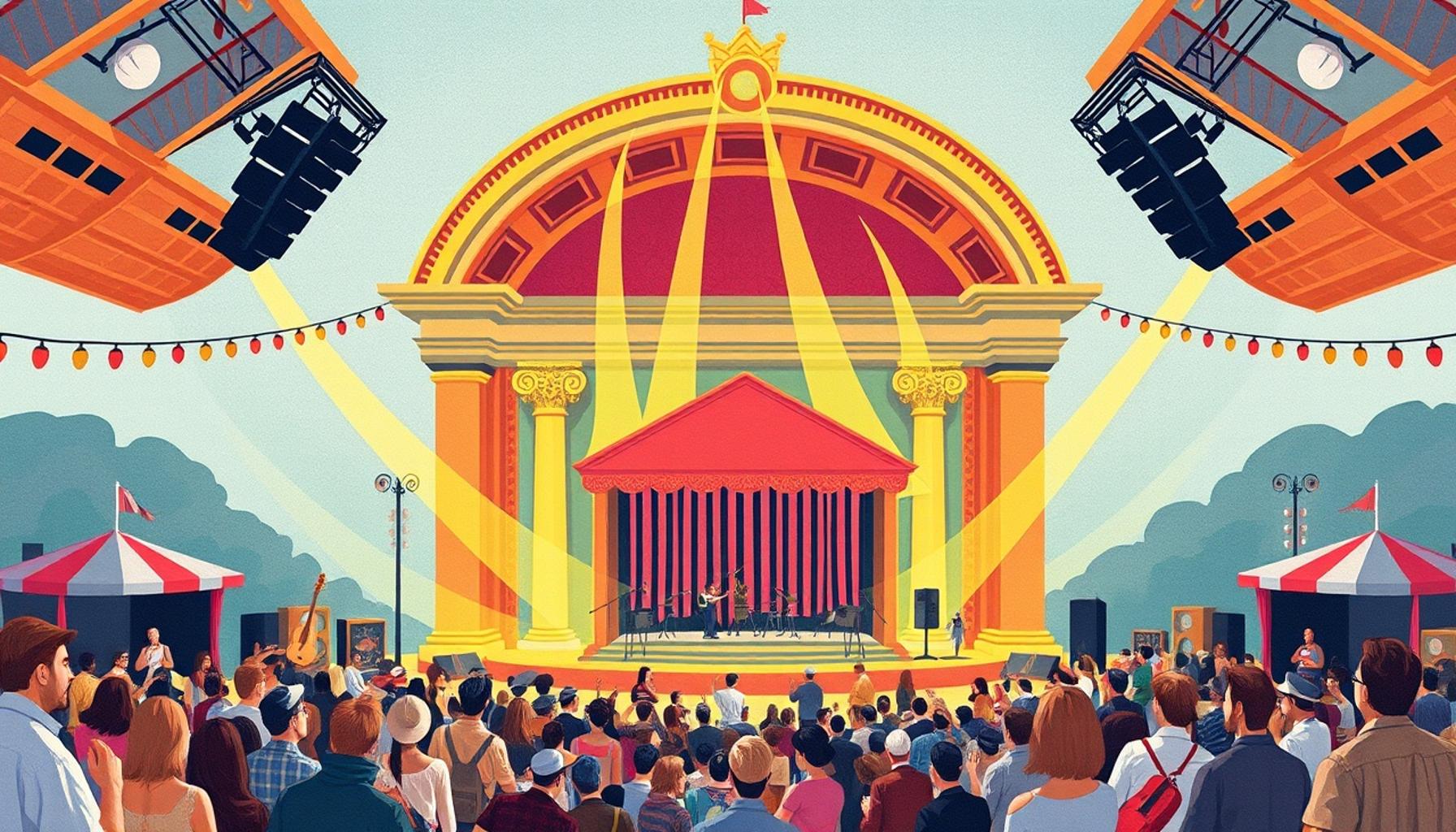
The Therapeutic Benefits of Music Performance for Mental Health
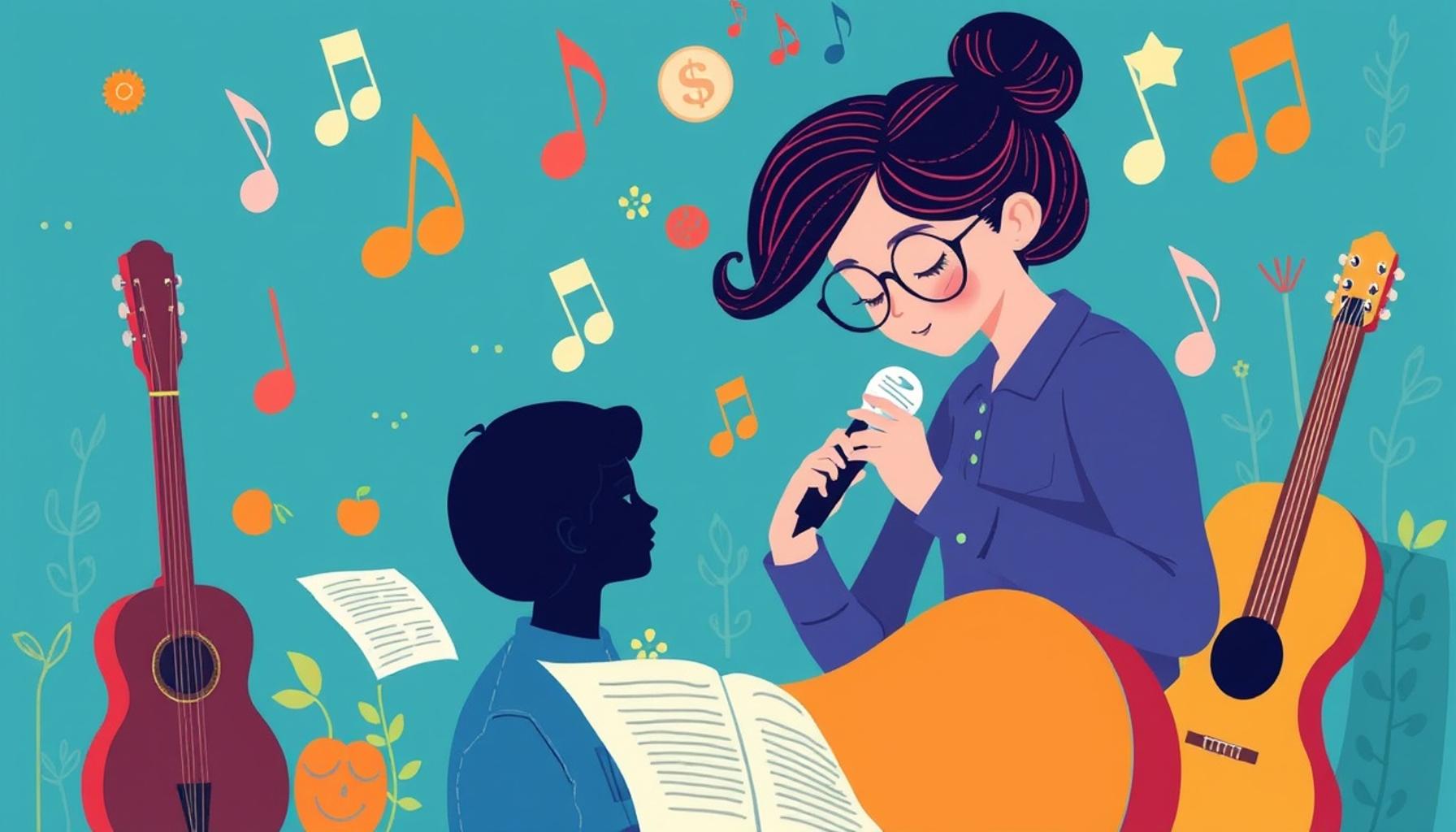
The Therapeutic Role of Music in Mental Health
Throughout history, music has been an intrinsic part of human culture, evoking emotions and building connections among individuals. Today, it is increasingly recognized not just as an entertainment medium but as a powerful therapeutic tool that can significantly impact mental health. Research has consistently shown that engaging in music can lead to substantial improvements in various mental health issues, providing a sanctuary for individuals grappling with stress, anxiety, or emotional turmoil.
One of the most compelling aspects of music performance lies in its ability to facilitate emotional expression. When individuals play an instrument or sing, they engage in a form of communication that transcends spoken language. For example, a musician might play a melancholic tune to express feelings of sadness or create an upbeat rhythm to convey joy. This creative outlet can be particularly beneficial for those who may find it challenging to convey their emotions verbally or who have experienced trauma.
Moreover, music can be a profound source of social connection, creating bonds among individuals who share a passion for performance. Joining a band or choir not only encourages collaboration but also promotes a sense of belonging. For instance, community programs like local choirs or jazz ensembles often attract diverse groups, allowing participants to connect over their love for music while simultaneously combating feelings of loneliness and isolation.
Engaging in music also offers notable cognitive enhancements. Studies have shown that musicians, for instance, often exhibit better memory retention and heightened focus compared to non-musicians. This could be attributed to the complex nature of reading music, coordinating with fellow performers, and exercising creativity. Additionally, playing music can enhance problem-solving skills, as musicians must often navigate intricate rhythms and adapt to unexpected changes during a performance.
The ability of music to provide stress relief cannot be understated. Listening to or performing music can trigger the release of neurotransmitters such as dopamine, which is often referred to as the “feel-good” chemical. In high-stress environments, such as hospitals or workplaces, music therapy programs have emerged as effective methods for reducing anxiety levels. For instance, many hospitals across the U.S. have adopted music therapy sessions that not only elevate patient mood but also aid in physical healing, demonstrating the profound connection between mental and physical health.
Furthermore, numerous individuals have reported an improved mood after engaging in music. The act of creating or listening to music can stimulate endorphin production, leading to feelings of happiness. For instance, upbeat music can energize listeners and improve their overall perspective on life. The rising popularity of platforms like Spotify and Apple Music has made it easier for people to curate personal playlists that elevate their mood, contributing to their emotional well-being.
In the United States, the integration of music into therapeutic settings, particularly through mindfulness practices, is on the rise. Programs that combine music with techniques like meditation have shown promising results for individuals recovering from mental health challenges. As more people become aware of these benefits, exploring the links between music and mental health becomes essential for enhancing overall well-being.
As we navigate the impressive potential of music to transform lives, it is important to continue exploring its therapeutic advantages and the enriching experiences it offers for mental wellness. Whether through community engagement, personal expression, or therapeutic interventions, music has proven to be a vital tool in enhancing psychological health and fostering resilience in our everyday lives.
DISCOVER MORE: Click here to dive into fun projects
Emotional Expression: Unlocking Inner Feelings Through Music
One of the most undeniable therapeutic benefits of music performance lies in its power to facilitate emotional expression. Many individuals find it difficult to articulate their feelings verbally, especially when dealing with complex emotions such as grief, anxiety, or anger. However, music offers a universal language that transcends cultural boundaries, enabling performers to express thoughts and sentiments that might remain hidden in everyday conversations. Musicians often channel their emotions into their craft, whether it be through vocalizations or instrumental compositions, creating a space where they can freely convey their innermost thoughts.
Research indicates that engaging in music performance can be an emotional release, akin to a cathartic experience. The act of creating music can evoke a powerful array of emotions, leading to better emotional management and self-discovery. For instance, a study published in the journal Psychology of Music revealed that participants who regularly engaged in musical activities reported lower levels of depressive symptoms and increased emotional well-being compared to non-music performers. This suggests that music performance has a significant role in promoting mental resilience.
Fostering Community: The Social Benefits of Music
The social connection provided by music performance is another key aspect influencing mental health. Music inherently encourages collaboration, whether through band participation, group workshops, or public performances. By sharing a space with others who have similar interests, individuals can cultivate a sense of belonging and community. Here are some of the profound social benefits offered by music performance:
- Building Relationships: Participating in group performances or ensembles fosters new friendships, as musicians must communicate and cooperate with one another to create harmonious sounds.
- Combating Loneliness: Music groups often serve as social support systems, reducing feelings of isolation and loneliness, particularly in individuals who may struggle to connect in other areas of their lives.
- Encouraging Empathy: Performing with others allows individuals to experience the emotions of their collaborators, enhancing empathy and understanding within relationships.
In a society where mental health issues continue to rise, the emergence of community-centric musical initiatives has been particularly impactful. Groups like local choirs, jazz ensembles, and even music therapy have made significant strides in creating environments conducive to emotional healing. Participating in such activities can provide a structured outlet for individuals to share their personal stories and support each other’s emotional journeys.
Cognitive Growth: Sharpening the Mind Through Music
The involvement in music performance extends beyond emotional and social benefits; it also provides remarkable cognitive enhancements. Numerous studies have elucidated the link between musical training and improved cognitive abilities such as memory, attention, and language skills. Musicians often showcase superior executive functioning, enabling them to manage multiple tasks effectively—a skill that is increasingly valued in today’s fast-paced society.
According to research conducted by the University of Kansas, individuals who engage in regular music performance have demonstrated increased neural processing speed and greater adaptability in problem-solving scenarios. Such cognitive advancements may be attributed to the mental agility demanded during performances, where musicians must read music, maintain rhythm, and interact with other performers simultaneously.
As society continues to explore the intricate relationship between music performance and mental health, the evidence supporting its therapeutic benefits only continues to grow. With a deeper understanding of how music can act as a conduit for emotional expression, social connection, and cognitive development, individuals seeking improved mental well-being can look to music performance as a viable and enriching avenue for growth.
The Therapeutic Benefits of Music Performance for Mental Health
Music performance is not merely an act of creativity; it serves as a profound form of therapy that significantly impacts mental health. Engaging in music can evoke emotions, foster connections, and facilitate healing. It allows individuals to express feelings that may be difficult to articulate verbally. Through this medium, participants can experience enhanced emotional well-being, a reduction in anxiety, and an overall sense of purpose. The act of performing music also builds self-esteem and promotes a sense of belonging, especially in group settings.
| Category | Key Features |
|---|---|
| Emotional Regulation | Music performance aids in expressing and processing emotions, leading to increased self-awareness. |
| Social Connection | Participating in ensembles fosters communication and collaboration, combating isolation. |
Studies have shown that music can significantly lower levels of the stress hormone cortisol, promoting relaxation and mental clarity. This effect is particularly beneficial for individuals battling conditions such as depression and anxiety disorders. Furthermore, the cognitive engagement required in music performance can enhance brain function by improving memory and attention span. Participants often report feeling a heightened state of happiness and fulfillment following performances, evidencing the powerful link between music and emotional health.
The rituals surrounding music performance—such as practicing, collaborating with fellow musicians, or even live performances—provide structure and routine. This can be particularly beneficial for individuals struggling with mental health challenges, providing a sense of normalcy and predictability in their lives.
DON’T MISS: Click here for inspiring DIY decor ideas
Enhancing Self-Esteem: Building Confidence Through Music Performance
Another significant therapeutic benefit of music performance is its capacity to enhance self-esteem and build confidence. Public performance, in particular, requires a level of courage and commitment that can empower individuals in remarkably transformative ways. Musicians must confront their fears of judgment and criticism as they step onto the stage, often resulting in a sense of accomplishment after successfully sharing their art with an audience. This process not only helps to reduce performance anxiety over time but also fosters a greater sense of resilience.
Various studies have shown that successfully completing musical performances can lead to a boost in self-confidence. A report by the National Association for Music Education found that students involved in music programs often exhibit improved self-perception and social awareness. These gains in confidence can transcend the musical realm and positively influence other areas of life, including academic performance and interpersonal relationships.
- Overcoming Fear: By facing the fear of performing in front of others, musicians gradually learn to manage their anxiety, which translates into increased confidence not just on stage, but in day-to-day scenarios.
- Celebrating Achievements: Receiving positive feedback from peers and audiences during performances can act as a powerful reinforcement, encouraging further participation in musical endeavors.
- Personal Growth: Over time, the experience of performing can lead to personal growth, enabling individuals to embrace their uniqueness and value their individual contributions.
Stress Relief: An Escape through Music Performance
In an era marked by constant pressures, the role of music performance as a method for stress relief cannot be overlooked. Engaging in music allows individuals to escape from daily stressors, providing a form of mindfulness that many seek in their routines. The act of creating and performing music can produce a meditative state wherein the performer experiences a sense of flow, feeling fully immersed in the moment. This state has been linked to reductions in cortisol levels, the hormone associated with stress.
A study conducted by the American Psychological Association found that participants who engaged in musical performances experienced notable declines in stress and anxiety levels. Music performance encourages the release of dopamine, the neurotransmitter responsible for feelings of pleasure and reward, which can create an uplifting experience and improve overall mood. Additionally, by concentrating on the intricacies of music—such as notes, rhythms, and tempo—performers often find a distraction from their worries, promoting a peaceful state of mind.
- Physical Health Benefits: Engaging in music performance not only helps to alleviate psychological stress but can also lead to physical health improvements, including lower blood pressure and a strengthened immune response.
- Creative Outlets: For many, music serves as a vital creative outlet, enabling individuals to channel frustration and difficulties into a tangible and beautiful form of expression.
Music as a Therapeutic Practice: Music Therapy and Its Role in Mental Health
While music performance offers enriching advantages on its own, the structured approach of music therapy explicitly focuses on mental health treatment. Music therapists utilize the therapeutic aspects of music to address various mental health issues ranging from depression and anxiety to PTSD and autism spectrum disorders. These specialists are trained to create personalized interventions employing musical activities tailored to individuals’ needs.
Research published in the journal Music Therapy Perspectives highlights the efficacy of music therapy in fostering emotional expression, promoting social skills, and enhancing cognitive abilities. For example, individuals undergoing therapy may engage in songwriting, listen to specific music, or participate in musical improvisation, each tailored to facilitate healing. This demonstrates that the therapeutic benefits of music are not only intrinsic to performance but can also be harnessed in a professional therapeutic context, amplifying its impact on mental health.
As more individuals recognize the power of music in promoting mental well-being, the landscape of mental health treatment may well evolve to incorporate these therapeutic modalities more fully, setting the stage for music performance to serve as a transformative agent in the pursuit of mental harmony and resilience.
DISCOVER MORE: Click here to dive deeper into the impact of technology on music performances
Conclusion: The Symphony of Healing through Music Performance
In summary, the therapeutic benefits of music performance for mental health are vast and multifaceted. Engaging in music not only allows individuals to experience profound self-expression but also fosters a sense of community and connection, essential components in combating feelings of isolation. From enhancing self-esteem and building confidence to providing significant stress relief, the act of performing music enables individuals to navigate their emotional landscapes more effectively. The ability to confront fears and derive joy from sharing one’s artistic abilities can lead to long-term positive changes in overall well-being.
Moreover, the integration of music therapy into mental health practices underscores the potential of musical engagement as a valuable tool in addressing various psychological challenges. As more research uncovers the profound effects of music on emotional, cognitive, and physical health, it becomes increasingly clear that music performance is not a mere pastime, but rather a powerful mechanism for healing and growth. The ongoing dialogue surrounding mental health continues to evolve, and incorporating the benefits of music allows for a more holistic approach to treatment.
As we consider the individual journeys of musicians and performers, we find that the act of creating and sharing music transcends the stage, echoing its significance in promoting mental wellness. Going forward, encouraging participation in music can empower countless individuals to harness these therapeutic benefits, offering a harmonious pathway towards enhanced mental health and resilience.
Related posts:
The Art of Collaborating with Other Musicians: Building Synergy in Performance
Analyzing the Influence of Costume and Stage Presence in Live Music Performance
The Importance of Audience Engagement in Live Music Performances
Exploring the Role of Improvisation in Live Music Settings
Exploring Cross-Cultural Influences in Contemporary Music Performance
The Impact of Social Media on Emerging Music Performers

Beatriz Johnson is a seasoned creative enthusiast and writer with a passion for simplifying the intricacies of artistic hobbies and DIY projects. With over a decade of experience exploring various creative fields, she specializes in topics like crafting, painting, and innovative DIY techniques. Through her work, Beatriz inspires readers to unleash their creativity, try new artistic endeavors, and stay inspired in the ever-evolving world of creative hobbies.