
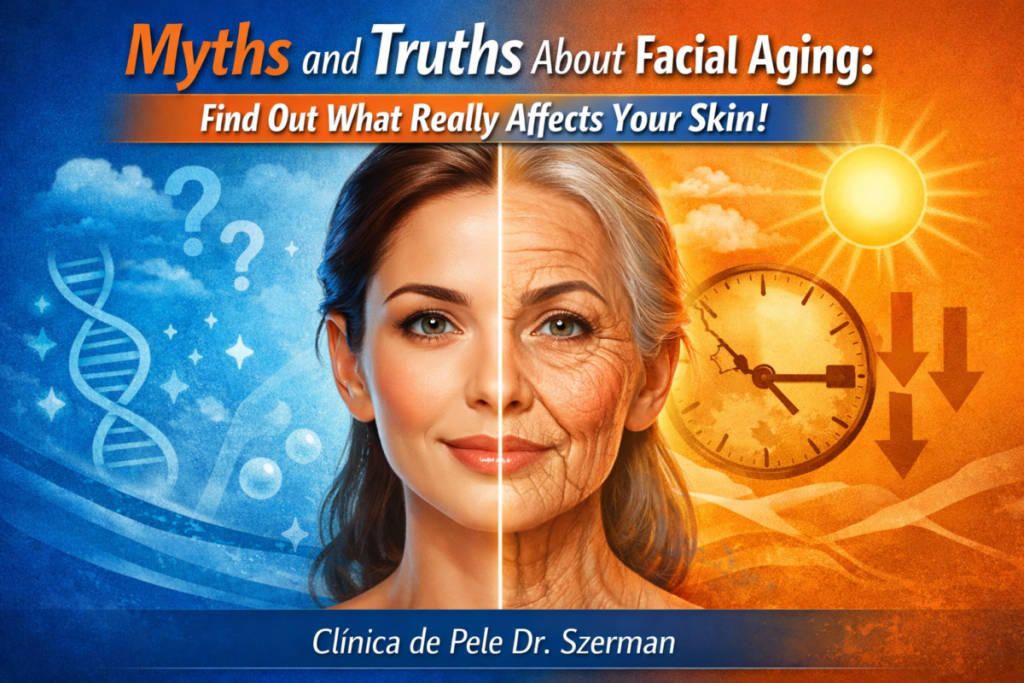
The importance of sun protection in preventing skin aging: Myths and truths

Understanding Sun Protection and Skin Aging
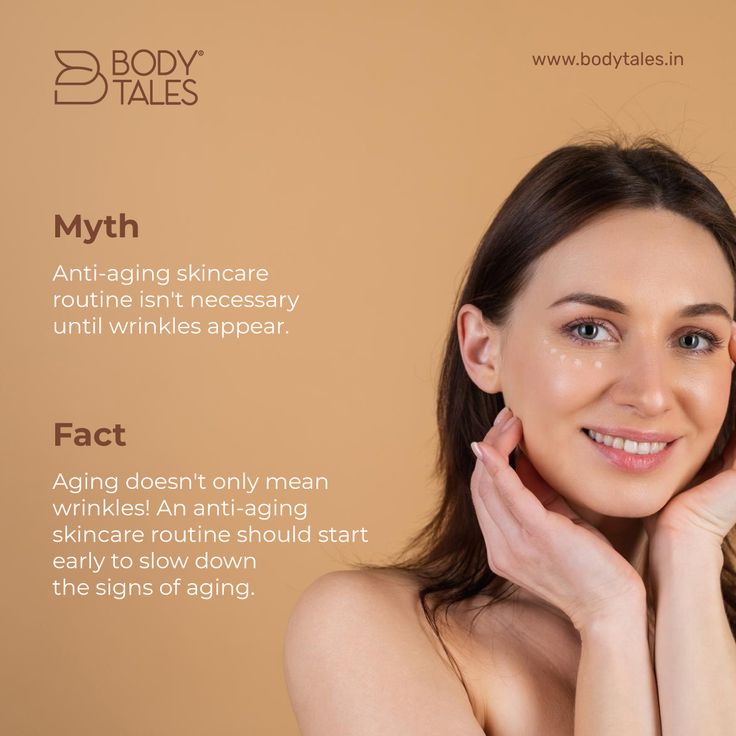
Did you know that sun exposure is one of the leading causes of premature skin aging? Many people underestimate the impact of UV rays on their skin’s health. As the sun shines brightly across the United States, understanding how to properly protect your skin becomes essential.
The sun emits two types of ultraviolet rays that affect our skin: UVA and UVB. UVA rays penetrate deeply into the skin, contributing to aging and wrinkling, while UVB rays are responsible for sunburn and play a significant role in developing skin cancer. Even on cloudy or cool days, up to 80% of the sun’s UV rays can reach your skin. This means it’s crucial to use sun protection consistently throughout the year, not just in the summertime.
There are numerous myths surrounding sun protection that can lead to detrimental effects on your skin. For instance:
- “I only need sunscreen on sunny days.” – As mentioned, UV rays are still effective on overcast days, making it vital to apply sunscreen regardless of the weather.
- “Tanning beds are a safe alternative.” – Many believe that tanning beds offer a safe way to get a tan, but research has shown that they can increase the risk of skin cancer by up to 75%.
- “Dark skin doesn’t need sun protection.” – While melanin provides some natural protection, darker skin tones can still suffer from sun damage, leading to issues like hyperpigmentation and skin cancer.
While some of these beliefs may seem harmless, it is crucial to sift through the truths of sun protection. Scientific research shows that UV exposure can lead to:
- Fine lines and wrinkles – These are often among the first visible signs of aging caused by sun exposure, as UV rays break down collagen and elastin in the skin.
- Dark spots and uneven skin tone – Prolonged UV exposure can lead to hyperpigmentation, resulting in dark patches on the skin.
- Increased risk of skin cancer – There are various types of skin cancer, including malignant melanoma, which has been directly linked to UV exposure.
Understanding the facts can empower you to make informed decisions about your skin care regimen. So, how can we effectively safeguard ourselves from the sun’s harmful rays? Here are some best practices for sun protection:
- Always apply broad-spectrum sunscreen – Use a sunscreen with at least SPF 30 and apply it generously to all exposed skin, even on cloudy days.
- Reapply regularly – Sunscreen should be reapplied every two hours and immediately after swimming or sweating.
- Wear protective clothing – Long sleeves and wide-brimmed hats can block harmful rays. Look for clothing with an Ultraviolet Protection Factor (UPF) rating.
- Seek shade – Particularly between 10 AM and 4 PM when the sun’s rays are at their strongest.
Moreover, integrating foods rich in antioxidants into your diet, such as berries and leafy greens, can help combat skin aging from within. Stay informed about product ingredients and continually educate yourself on skincare practices that prioritize sun safety. A combination of diligence in sun protection and awareness of the damaging effects of UV exposure can help keep your skin youthful and healthy for years to come.
DISCOVER MORE: Click here to learn about personalized skincare routines
Debunking Common Myths About Sun Protection
Understanding the significance of sun protection in preventing skin aging is crucial for maintaining youthful skin. Despite the plethora of knowledge available, many still hold onto misconceptions that can lead to inadequate protection against harmful UV rays. Let’s delve deeper into these myths and uncover the essential truths that can help safeguard your skin.
One of the most pervasive myths is the belief that “sunscreen is only necessary during the summer months.” In reality, UV rays can permeate through clouds and affect your skin year-round. Even in winter, reflective surfaces like snow can amplify UV exposure. Research by the Skin Cancer Foundation indicates that up to 80% of UV rays can penetrate clouds, emphasizing the need for diligent sun protection every day, regardless of the season.
Another common misconception is that “sunscreen is enough; I don’t need to wear protective clothing.” While sunscreen is a critical part of your defense against the sun, relying solely on it is insufficient. Protective clothing can provide an additional barrier against UV rays. Fabrics designed with a high Ultraviolet Protection Factor (UPF) rating can greatly enhance your protection level, often proving more effective than sunscreen alone. Thus, it’s beneficial to wear a combination of sunscreen in conjunction with protective garments, especially when enjoying outdoor activities.
Furthermore, people often believe that those with darker skin tones are “immune to sun damage.” This presumption can be dangerously misleading. While it is true that increased melanin provides some natural protection against UV radiation, darker skin is not impervious to sun damage. In fact, individuals with darker complexions can experience hyperpigmentation, which can lead to uneven skin tone and other long-term skin issues. The American Academy of Dermatology asserts that everyone, regardless of skin tone, should use sunscreen to mitigate the harmful impacts of UV rays.
Understanding the truths backed by scientific research helps individuals appreciate the importance of sun protection. Here are some essential facts the public should know:
- Chronic sun exposure accelerates skin aging. UV rays gradually break down collagen and elastin, leading to fine lines, sagging, and an overall aged appearance.
- Sun exposure can cause skin discoloration. Dark spots, often referred to as age spots or liver spots, are frequently a result of prolonged UV exposure, and they can develop even in young individuals.
- Ignoring sun protection increases the risk of skin cancer. Studies indicate that consistent and adequate sun protection can significantly lower the chances of developing various types of skin cancer, including melanoma and basal cell carcinoma.
Armed with knowledge about these myths and truths, individuals can make informed choices about their skin health. It is essential to incorporate a comprehensive sun protection strategy that transcends seasonal changes and embraces consistent, year-round applications. By doing so, you can enjoy the outdoors while preserving the vitality and health of your skin.
| Category 1 | Category 2 |
|---|---|
| Understanding UV Radiation | UV rays penetrate the skin, causing damage. |
| Premature Aging | Exposure to UV rays leads to wrinkles, age spots, and loss of elasticity. |
| Myth: Tanning is Safe | Many believe tanning is harmless, but it accelerates skin aging. |
| Truth: Year-Round Protection | Skin protection is crucial, regardless of season, to maintain youthfulness. |
Research shows that ultraviolet (UV) radiation is a significant factor in skin aging, influencing everything from collagen breakdown to the formation of free radicals that damage skin cells. The very act of stepping outdoors without proper protection could expedite the aging process, leading to pronounced wrinkles and sun spots. Many people hold the myth that they can achieve a safe tan; however, any change in skin color is indicative of damage adjusting to UV exposure.This natural defense mechanism often masks the deep-rooted consequences of sun exposure. Thus, it is essential to combat these myths with knowledge about effective sun protection measures like wearing broad-spectrum sunscreen daily, donning protective clothing, and seeking shade. Protecting oneself from UV is a lifelong commitment contributing to overall skin health, ensuring that even as we age, our skin remains resilient and vibrant.
DISCOVER MORE: Click here to learn how to create a sustainable beauty routine
The Role of Sunscreen: Understanding SPF and Application
To effectively incorporate sun protection into your daily routine, it’s essential to understand how sunscreen works, particularly the significance of SPF (Sun Protection Factor). A common misconception is that high SPF indicates comprehensive protection against all UV rays. However, SPF primarily measures a sunscreen’s effectiveness against UVB rays, which are responsible for sunburn and contribute to skin cancer. It is crucial to choose a broad-spectrum sunscreen that protects against both UVA and UVB rays, since UVA rays penetrate the skin more deeply and are a significant cause of skin aging.
The numbers associated with SPF can be misleading. For instance, an SPF of 30 blocks about 97% of UVB rays, while SPF 50 blocks approximately 98%. The difference in protection is marginal, and relying solely on a high SPF can lead to underapplication or infrequent reapplication. To maximize sun protection, dermatologists recommend applying a broad-spectrum sunscreen with at least SPF 30 generously to all exposed skin, around 15 minutes before going outdoors. Reapplication every two hours, or more frequently if swimming or sweating, is necessary to maintain this protective barrier.
Choosing the Right Sunscreen
With a myriad of options on the market, selecting the right sunscreen can be overwhelming. It’s important to consider factors such as skin type, personal preferences, and specific activities. For those with oily or acne-prone skin, lightweight, non-comedogenic formulas can help prevent breakouts, while dry skin may benefit from moisturizing sunscreens that have hydrating ingredients like hyaluronic acid or glycerin.
- Water resistance: If engaging in water activities, opt for water-resistant sunscreen, which maintains its SPF protection for a specified time while in the water (usually 40 or 80 minutes).
- Mineral versus chemical sunscreens: Mineral sunscreens containing zinc oxide or titanium dioxide provide physical protection by reflecting UV radiation. They are often recommended for sensitive skin types. Chemical sunscreens absorb UV rays but may not be suitable for everyone, particularly those with sensitive skin.
It is also worth noting that sunscreen is not merely a cosmetic product; it is a crucial part of any skincare regimen aimed at preventing skin aging. When integrated with antioxidant serums, which combat oxidative stress from environmental exposure, the defense against premature aging strengthens. Vitamin C serums, for example, can enhance skin radiance while providing additional protection against free radicals.
The Broader Impact of Sun Protection Habits
Beyond personal skincare, a culture of sun protection can lead to broader societal awareness about the risks associated with UV exposure. Educational campaigns aimed at school children, sporting events, or outdoor community activities can instill healthy sun habits from an early age, promoting consistent reapplication and advocating for protective clothing.
Moreover, the potential economic implications of skin aging cannot be ignored. An increase in sun-related skin conditions can lead to higher healthcare costs, thus emphasizing the need for preventive measures. According to the American Academy of Dermatology, skin cancer treatment costs amounted to over $8 billion annually in the U.S.; effective sun protection could substantially mitigate these expenses.
By debunking myths and accumulating knowledge about effective sun protection, we empower ourselves and future generations to embrace outdoor activities without compromising skin health and aesthetic longevity. Making informed choices today can lead to healthier skin tomorrow.
DIVE DEEPER: Click here to discover the importance of skincare personalization
Conclusion: Embracing Sun Protection for Lifelong Skin Health
Understanding the importance of sun protection in preventing skin aging is essential for maintaining youthful and healthy skin throughout our lives. By dispelling common myths surrounding sunscreen efficacy, we recognize that consistent sun protection is not just an option but a necessity. The damaging effects of UV rays extend beyond immediate sunburns; they contribute to premature aging, pigmentation, and even skin cancer. Therefore, advocating for a thorough approach—using broad-spectrum sunscreens with adequate SPF, selecting the right formulation for individual skin types, and integrating protective habits into daily routines—is crucial.
Additionally, promoting a culture of sun safety, especially among younger generations, can foster lifelong healthy habits. Educational initiatives highlighting the significance of sun protection should be a priority, reminding us that protecting our skin is an investment in our future well-being. As we navigate the myriad sunscreen options available, remember that knowledge is power. Choosing products that effectively shield against UVA and UVB rays, utilizing protective clothing, and seeking shade can drastically reduce the risks associated with sun exposure.
In conclusion, committing to informed sun protection practices today not only preserves our skin health but also contributes to broader public health efforts, potentially reducing the economic burden of skin-related conditions in the U.S. By embracing the truths around sun protection and setting a precedent for others, we can enjoy the outdoors without risking our skin’s long-term vitality.