

The Dynamic Role of Language in Digital Accessibility
The rise of technology has fundamentally altered our modes of communication, greatly impacting digital accessibility and fostering social inclusion on digital platforms. As a vital element of this transformation, Natural Language Processing (NLP) serves as a bridge, enabling users to interact with digital content more effectively. This is particularly crucial as we strive to ensure equitable access for all demographics, including those who face distinct challenges in navigating online spaces.
Here are several key dimensions where natural language plays a pivotal role in enhancing accessibility:
- User Interface Design: The clarity of language used in user interfaces is paramount. For example, well-designed buttons with straightforward labels—like “Submit” instead of more ambiguous alternatives—facilitate easier navigation. This approach is especially important for individuals with learning disabilities who may struggle with complex terminology.
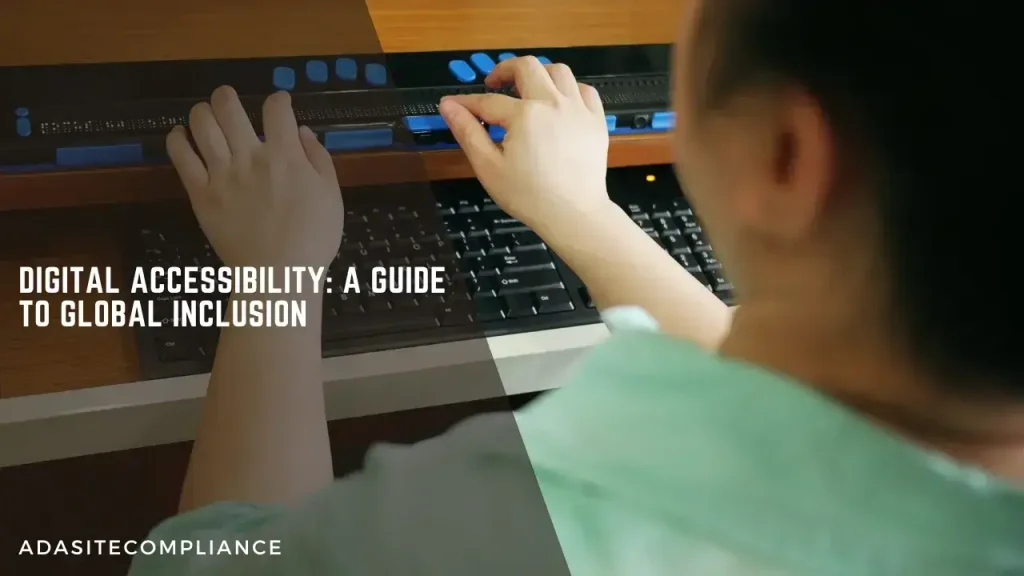
- Assistive Technologies: NLP powers tools such as screen readers, which transform text into spoken words. This capability is essential for blind or visually impaired individuals. For instance, advancements in voice recognition, such as Siri and Alexa, utilize NLP to interpret and respond to user queries, illustrating how technology can enhance accessibility.
- Content Representation: Websites that employ plain language are better suited for a broad audience spectrum, particularly for those with cognitive disabilities or language barriers. Utilizing simple and direct language helps demystify content, making it more approachable for users with varying literacy levels.
The emotional resonance of words is significant; the language used can greatly influence user engagement. While technical jargon may alienate some users, employing inclusive language fosters a sense of community and belonging. For example, a nonprofit organization sharing resources on disability rights might opt for terms that resonate with their target audience, thereby increasing both empathy and connection.
Even more telling, roughly 1 in 5 Americans live with some form of disability, according to the CDC. This statistic underscores the urgency of prioritizing accessible design in the ever-evolving digital landscape. With such a substantial segment of the population facing potential barriers, it becomes imperative for content creators and tech developers to advocate for inclusive practices in their work.
In exploring the intricate relationship between natural language and digital accessibility, we uncover the necessity of creating digital environments that empower all individuals, irrespective of their abilities. The journey toward inclusivity in the digital realm is not just a technical challenge but a call to humanize technology through thoughtful communication.
DISCOVER MORE: Click here to delve into the evolution of CNNs
Bridging Communication Gaps with Natural Language
The intricate interplay between natural language and digital accessibility highlights essential pathways toward social inclusion, particularly in a digital age where effective communication is a necessity. One of the significant consequences of advanced NLP technologies is their ability to tailor information delivery according to users’ diverse needs. By leveraging these capabilities, digital platforms can bridge communication gaps that have long hindered those with disabilities.
Consider the role of multilingual capabilities. In a multicultural nation like the United States, many individuals speak languages other than English. NLP can facilitate automatic translation services that not only provide content in different languages but also adapt it to suit cultural nuances. This function extends the reach of digital platforms, allowing non-English speakers to access crucial resources, services, and information that were previously out of reach. Moreover, this capability can significantly enhance the experience of people moving through unfamiliar digital landscapes, ensuring they don’t miss out on valuable content simply due to language barriers.
The Importance of User-Centric Language
Another pivotal aspect of incorporating natural language into digital accessibility is the focus on user-centric language. This concept emphasizes the creation of content that is not just easily navigable but also fundamentally empathetic to the user’s experience. A critical factor here is understanding the vocabulary and phrases that resonate with target audiences. For example, content aimed at teenagers might utilize contemporary slang whereas information intended for older adults should respect formalities and age-appropriate terminologies. This tailored approach fosters a deeper connection between users and the platforms they engage with, contributing to an inclusive digital environment.
Research indicates that using plain language not only improves comprehension for users with disabilities but also benefits the general population. According to the Plain Language Association International (PLAI), improving the clarity of public-facing communications can enhance user satisfaction by up to 75%. Such statistics underscore the importance of investing in language refinement as a part of accessibility strategies.
Automated Content Generation and Personalized Experiences
The capacity of NLP to automate content generation cannot be understated. By analyzing user interactions and preferences, technology can generate tailored recommendations, alerts, and reminders that resonate with each individual user. This level of personalized engagement can be especially beneficial for individuals who may require adaptive solutions for learning or navigating technology. For instance, a user with dyslexia could be provided with content formats that allow for easier reading or comprehension, thanks to the adaptability of NLP systems.
- Automatic translations that enhance access for non-English speakers.
- User-centric language that suits diverse demographics and user needs.
- Automated content generation that fosters personalized engagement for differently-abled users.
As we continue to explore the tantalizing possibilities presented by NLP technology, it is evident that striking the right balance between accessibility, inclusivity, and technology can create enriching experiences for all users. Adapting our approaches to language not only democratizes access to information but also cultivates an environment where diversity is celebrated and embraced within the digital sphere.
The Influence of Natural Language on Digital Accessibility and Social Inclusion
Natural language processing (NLP) plays a pivotal role in creating accessible digital experiences. Its influence extends beyond mere functionality to transform how users engage with technology. When examining digital accessibility, the focus is on ensuring that technology is usable for everyone, including those with disabilities. With advancements in NLP, systems can now interpret, understand, and generate human language, facilitating smoother interactions for users with various needs.
For instance, tools like screen readers have evolved through NLP to recognize and articulate text content in a user-friendly manner, allowing visually impaired individuals to navigate websites effectively. Furthermore, social inclusion is fostered by breaking down language barriers. Advanced translation systems powered by NLP enable communication across diverse language backgrounds, promoting a sense of belonging among users from different cultures.
Moreover, NLP-driven chatbots provide instant support, enhancing the user experience and ensuring that help is readily available regardless of time or location. By addressing inquiries in natural language, these systems become more relatable and approachable, encouraging users who might otherwise feel hesitant to seek assistance.
The implications of NLP on these areas are profound, as they not only improve accessibility but also create inclusive digital environments where everyone can thrive. As more organizations recognize the significance of these technologies, we can expect to see an increase in the development of solutions tailored to enhance both accessibility and social inclusion.
| Advantage | Description |
|---|---|
| Enhanced Usability | Natural language tools improve website navigation for users with disabilities. |
| Cultural Inclusivity | NLP allows seamless communication across various languages, fostering inclusion. |
As we continue to witness the evolution of technology, harnessing the power of natural language becomes crucial in ensuring that the digital world is accessible and inclusive for all. By leveraging these innovations, we can pave the way for a more cohesive and supportive online community.
DISCOVER MORE: Click here to learn about the ethical challenges
Enhancing User Interactions through Conversational Interfaces
The evolution of conversational interfaces, powered by advanced natural language processing (NLP), represents a revolutionary stride in facilitating digital accessibility and social inclusion. These interfaces, which include chatbots and virtual assistants, allow users to communicate naturally and intuitively, creating a sense of familiarity and ease. By engaging in conversations using everyday language, these tools can help individuals navigate intricate digital environments that may otherwise be overwhelming.
For example, older adults, who might face challenges like limited digital literacy or unfamiliarity with technology, can greatly benefit from the user-friendly pivot to conversational AI. By simply asking questions or issuing voice commands, they can obtain information, access services, and perform tasks without having to wade through complicated menus or jargon-filled instructions. This democratization of technology not only fosters independence but also cultivates confidence among users who might feel alienated by traditional digital interfaces.
Empowering Individuals with Disabilities
Conversational interfaces hold exceptional promise for empowering individuals with disabilities. For those with speech impairments, voice recognition systems can be tailored to understand specific speech patterns, liberating users from reliance on keyboard inputs. Similarly, NLP algorithms can convert text to speech, enabling visually impaired users to engage with content more readily, creating a meaningful connection to the digital world. A report from the World Health Organization (WHO) states that around 15% of the world’s population experiences some form of disability, making these advancements crucial for promoting social inclusion.
Additionally, features such as voice commands and speech-to-text functionalities allow users to dictate their thoughts while eliminating the anxiety of physically typing long texts. A study by the National Center for Learning Disabilities demonstrates that such tools not only improve engagement but also significantly reduce the barriers faced by individuals with learning disabilities, unlocking new avenues for self-expression and creativity.
Data-Driven Insights for Inclusive Design
The impact of natural language on digital accessibility extends beyond user interaction; it also embodies a data-driven approach to inclusive design. By analyzing language patterns, preferences, and interactions, organizations can gather vital insights into how diverse users engage with content. These insights can inform design decisions that create more accessible and user-friendly interfaces, ranging from website layouts to instructional materials.
Furthermore, leveraging analytics from natural language usage enables organizations to understand the unique needs of different demographics. This is particularly relevant in settings such as educational institutions and governmental services, where tailored content can make significant impacts. For instance, by identifying common questions or areas of confusion among users, institutions can refine their communications to eliminate jargon or provide additional context, ultimately enhancing user satisfaction and fostering a sense of belonging.
- Conversational interfaces, including chatbots, ease navigation through human-like interactions.
- Empowerment of individuals with disabilities, fostering independence through tailored voice technologies.
- Data-driven insights inform design choices, enhancing accessibility for diverse user groups.
In a society that increasingly relies on digital means for communication and services, the incorporation of natural language into these contexts ensures that accessibility and inclusion are not merely aspirational goals, but practical realities. The ongoing evolution of NLP technologies heralds a future where everyone has the ability to connect, learn, and thrive in the digital realm.
DIVE DEEPER: Click here to uncover the role of deep learning in cybersecurity
Conclusion: A Future Shaped by Natural Language
The profound influence of natural language on digital accessibility and social inclusion cannot be overstated. In an increasingly digitized world, the ability for users to interact with technology in their own language not only demystifies complex systems but also empowers marginalized communities. The advancements in conversational interfaces demonstrate a significant shift toward creating a more inclusive digital landscape, breaking down barriers that have historically hindered access for individuals with disabilities and older adults.
As organizations harness the potential of natural language processing to tailor user experiences, it becomes evident that the collection and analysis of linguistic data serve a dual purpose. Not only do they inform better design choices, but they also highlight the unique needs of diverse populations. Institutions, whether educational or governmental, can adapt their communications to avoid jargon, ensuring that essential information is accessible to all. This evolution cultivates a sense of belonging and fosters community engagement among users from various backgrounds.
Looking ahead, the implications of effectively integrating natural language in technology are profound. Enhanced usability, improved engagement, and increased independence for those once excluded underscore the vital role of language in facilitating societal inclusion. The journey to comprehensive digital accessibility is ongoing, yet with each innovation in natural language technology, we forge a path toward a future where every individual can connect, learn, and thrive, irrespective of their challenges. As stakeholders across industries embrace this transformative approach, the dream of a truly inclusive digital society becomes ever more attainable.