
Tips for Keeping Your Skin Hydrated During Winter

Essential Strategies for Winter Skin Hydration
As winter sets in, many people begin to notice the adverse effects the season can have on their skin. Cold, dry air combined with the constant use of indoor heating leads to moisture-depleted skin that often feels tight, flaky, and uncomfortable. This seasonal shift presents a challenge, but by adopting the right strategies, maintaining a healthy and hydrated complexion is absolutely achievable.
- Choose the Right Moisturizer: During winter, it’s crucial to select products that provide deep hydration. Thicker creams or ointments tend to be more effective than traditional lotions because they create a protective barrier, sealing in moisture and preventing trans-epidermal water loss. Look for ingredients like hyaluronic acid, glycerin, and shea butter, which are known for their hydrating properties. Many brands offer winter-specific formulations, so don’t hesitate to explore options that cater to dry skin.
- Stay Hydrated: While we often associate hydration with drinking liquids during hot weather, it’s equally important in winter. The body can lose moisture in a heated indoor environment, leading to dry skin. Aim to drink at least eight 8-ounce glasses of water a day, and consider consuming hydrating foods such as cucumbers, oranges, and broths, which can also contribute to your skin’s moisture levels.
- Use a Humidifier: One of the most effective tools for combating dry air is a humidifier. Adding moisture to the air in your home can significantly benefit your skin, alleviating the dryness caused by indoor heating. Consider placing one in your bedroom while you sleep to maintain optimal humidity levels overnight. This small investment can make a considerable difference in your skin’s texture and overall health.
Understanding why winter causes skin dehydration can empower you to make choices that benefit your skin. The cold air outside typically holds less moisture than warm air, so as you step indoors, the drastic transition can deepen skin dryness. Additionally, while hot showers might feel delightful during chilly months, they can ironically strip your skin of its natural oils, leading to further dehydration.
Furthermore, it’s essential to take gentle care of your skin. Opt for mild, fragrance-free cleansers that won’t disrupt your skin’s barrier, and be mindful of exfoliation; overly harsh scrubs can exacerbate dryness. Experimenting with these strategies can lead you to discover a routine tailored to your skin’s needs. Hydrated, glowing skin is not just a dream during winter, but a very attainable reality with conscious effort and a few simple changes in your daily regimen.
Are you ready to take control of your winter skin health? With the right knowledge and tools, you can effectively combat the harsh effects of the season and embrace a hydrated, radiant complexion.
DIVE DEEPER: Click here to enhance your skincare with aromatherapy
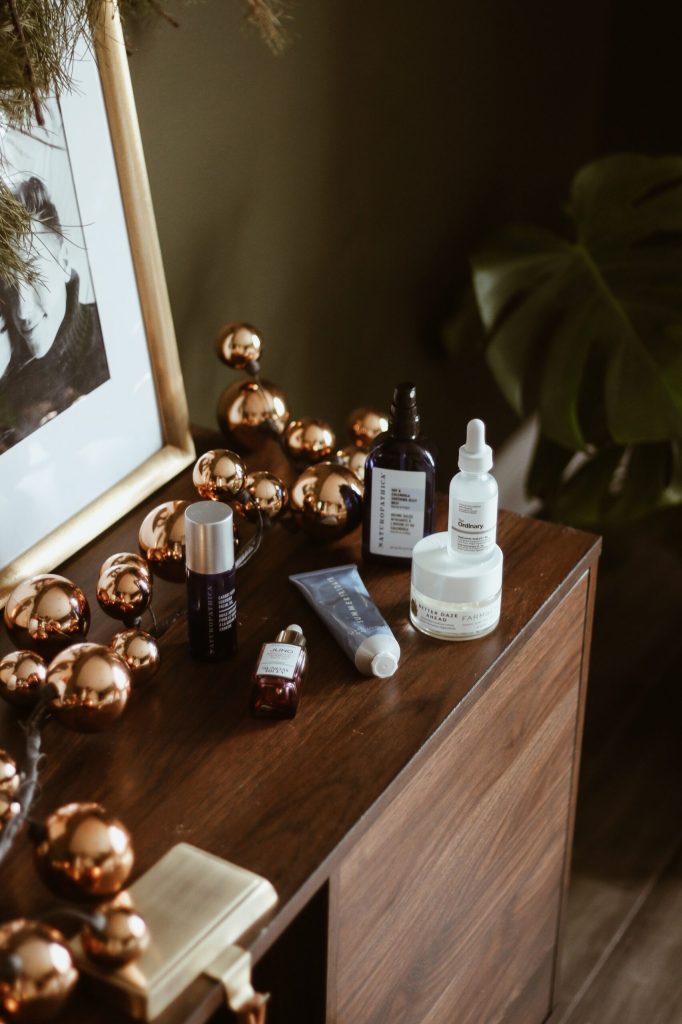
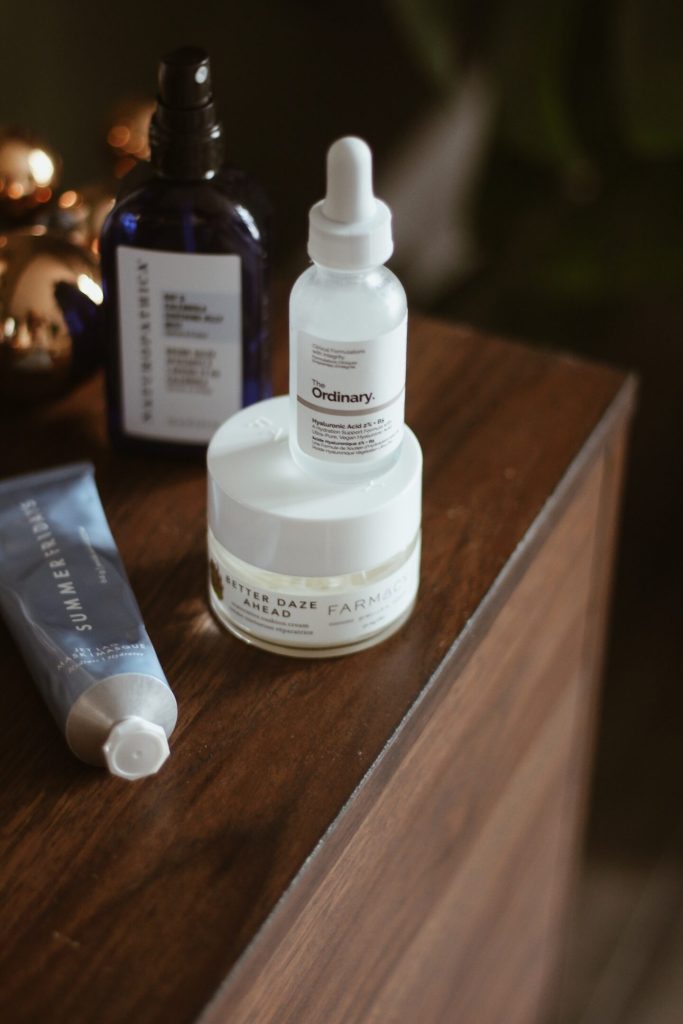
Understanding Your Skin’s Winter Needs
Throughout the winter months, maintaining proper skin hydration is vital for preventing issues such as dryness, itching, and irritation. The cold air outside and the heat indoors create an environment that can lead to significant moisture loss. To combat this, it’s essential to address your skin’s unique needs during this season. Here are several additional strategies to ensure your skin remains healthy and nourished.
- Adjust Your Shower Routine: While a hot shower can be a comforting escape from the cold, prolonged exposure to hot water can strip away natural oils, leading to further dryness. Instead, opt for lukewarm water when bathing and limit your time in the shower to no more than 10 minutes. Consider applying a thick body lotion immediately after drying off to lock in moisture.
- Incorporate Nourishing Oils: Adding oils to your skincare routine can provide an extra layer of hydration. Natural oils such as jojoba, almond, or argan oil can penetrate deeply, replenishing moisture without leaving a greasy residue. Applying oils after your daily moisturizer can help seal in hydration, ensuring your skin stays soft and supple.
- Protect Your Skin Outdoor: Frequent exposure to harsh winter wind can wreak havoc on your complexion. Before heading out, be sure to apply a broad-spectrum sunscreen with at least SPF 30, even on cloudy days. This provides a vital barrier against UV rays, which can still penetrate through the clouds and harm your skin.
- Prioritize Nighttime Care: The skin undergoes its natural repair process while you sleep, making nighttime the perfect opportunity to pamper it. Consider using a thicker moisturizer or a nourishing overnight mask to provide intense hydration. Look for products that contain ingredients like ceramides and peptides, which can enhance skin barrier function and promote healing.
Another beneficial strategy is to pay attention to your diet. Consuming foods rich in omega-3 fatty acids, such as salmon, walnuts, and chia seeds, can support skin hydration from the inside out. These nutrients help reinforce the skin’s barrier, making it more resilient to winter’s drying effects. Additionally, incorporating antioxidants through fruits and vegetables can protect your skin from environmental stressors while also keeping it vibrant.
By understanding the factors influencing skin hydration during winter, you can make informed decisions that boost your skincare regime. With intentional adjustments to your routine and the mindful selection of products, achieving a radiant and hydrated complexion is entirely possible, even in the chill of winter.
Understanding the Importance of Winter Skin Hydration
As the winter chill sets in, our skin often bears the brunt of the harsh conditions. Maintaining hydration during these colder months is crucial not only for aesthetics but also for overall skin health. Winter weather can strip natural oils from the skin, leading to dryness, flakiness, and even irritation. This can escalate into more serious skin conditions if left unaddressed.
Utilize Humidifiers
Incorporating humidifiers into your living space can drastically improve skin hydration. By adding moisture to the air, these devices work to counteract the drying effects of indoor heating. They help to maintain a balanced humidity level, which can keep your skin feeling supple and less prone to cracking.
Moisturize Regularly
It’s essential to use a rich, emollient moisturizer throughout the day. Look for products containing ingredients such as hyaluronic acid, glycerin, and natural oils. These components are known for their moisture-retaining properties and can help to lock in hydration. Additionally, applying moisturizer immediately after bathing enhances absorption, ensuring your skin is nourished right when it’s most receptive.
Table: Benefits of Skin Hydration During Winter
| Hydration Method | Advantages |
|---|---|
| Humidifiers | Increases indoor moisture levels, helping to reduce skin dryness and irritation. |
| Emollient Moisturizers | Provides a barrier to prevent moisture loss and promotes skin repair. |
By understanding and utilizing proper hydration techniques, you not only enhance your skin’s appearance but also its resilience against winter’s elements. Regular attention to your skin care routine during the winter months ensures a healthier, radiant complexion year-round.
DISCOVER MORE: Click here to enhance your confidence
Enhancing Your Hydration Game with Innovative Solutions
As winter settles in, going beyond the basics in your skincare routine can significantly enhance your skin’s hydration levels. By incorporating advanced products and strategies, you can effectively combat winter dryness and achieve a luminous complexion. Here are some innovative solutions to consider:
- Utilize Humidifiers: One of the most effective methods to maintain skin hydration during winter is by introducing humidifiers into your home. These devices add moisture to the air, countering the drying effects of central heating systems. Aim to keep indoor humidity levels between 30% to 50% for optimal skin health. Be sure to clean your humidifier regularly to prevent the growth of mold and bacteria, which could potentially harm your skin.
- Explore Hydrating Sheet Masks: In addition to your regular skincare products, hydrating sheet masks can provide an instant boost of moisture. These masks are often packed with hydrating ingredients like hyaluronic acid, glycerin, and aloe vera. Utilizing them once or twice a week can help rejuvenate your skin, particularly after a long day in harsh winter conditions.
- Opt for Thermae Water Sprays: Thermal water sprays can be a refreshing way to hydrate your skin throughout the day, especially when traveling or if you’re spending extended periods outdoors. Rich in minerals, these sprays not only hydrate but also soothe irritated skin. Keep a small bottle in your bag to combat dryness as you navigate through winter activities.
- Choose the Right Cleanser: During the winter months, it’s wise to switch to a gentle, hydrating cleanser. Look for products free of sulfates and rich in moisturizing ingredients. Cleansing should not strip your skin of its natural oils, but rather prepare it to absorb moisturizers effectively.
Furthermore, it’s crucial to stay hydrated from within. The effects of winter can often lead to a decrease in water intake as people begin to crave warm drinks over plain water. Remember, drinking adequate water is vital for maintaining skin elasticity and overall health. Setting reminders to drink water throughout the day can help establish better hydration habits. Consider warm herbal teas or broths as alternatives that provide warmth while keeping you hydrated.
Additionally, consider supplementing your diet with collagen peptides, known for supporting skin hydration and elasticity. Studies show that collagen supplementation can improve skin moisture levels and reduce the appearance of dryness. Polishing off your meals with rich sources of vitamins C and E can also promote skin repair and hydration, reinforcing your skin’s natural barrier against winter’s elements.
Finally, don’t overlook the importance of regular exfoliation, even in winter. Using a gentle exfoliator once a week can help remove dead skin cells and enhance the absorption of hydrating products. Look for exfoliating products that contain natural enzymes or mild acids such as lactic acid, as these are effective yet gentle on the skin.
By embracing these innovative skincare approaches, you can transform your winter skincare routine into an empowering ritual, ensuring your skin remains not only hydrated but also radiant throughout the season. The cold weather should be no hindrance to achieving skin that feels healthy and looks beautiful.
DIVE DEEPER: Click here to discover how to create a sustainable beauty routine
Final Thoughts on Winter Skin Hydration
As the colder months approach, ensuring your skin remains hydrated is essential for preserving its health and radiance. Through intentional practices and a well-rounded skincare routine, you can effectively combat the dryness that often plagues our skin in winter. Remember, maintaining moisture isn’t purely surface-level; it requires a comprehensive approach that includes hydrating products, environmental adjustments, and internal nutrition.
Incorporating a humdifier into your home can significantly change the way your skin responds to harsh indoor conditions, while incorporating hydrating sheet masks and thermal water sprays offer quick relief and nourishment throughout the day. Opt for gentle, hydrating cleansers to avoid stripping your skin’s natural moisture and consider a consistent exfoliation routine to keep your skin supple and ready to absorb all the nourishing elements.
Furthermore, don’t underestimate the power of hydration from within. Regular water intake, along with consuming warming herbal teas and nourishing food rich in vitamins and collagen, greatly aids in skincare. Be mindful of these elements, and you’ll not only improve your skin’s condition but also your overall well-being.
In conclusion, embracing these multifaceted strategies will leave your skin feeling revitalized, protected, and glowing throughout the winter. Stay proactive, keep learning, and discover the unique methods that work best for you, ensuring that winter becomes a season of comfort rather than compromise for your skin.